
Saudi Arabia, a significant force in the Arab and Islamic worlds, faces increasing challenges as Iran and its regional allies escalate tensions. Recent developments have intensified the crisis, putting the spotlight on Saudi Arabia’s strategic decisions in this volatile region.
Increasing Hostilities
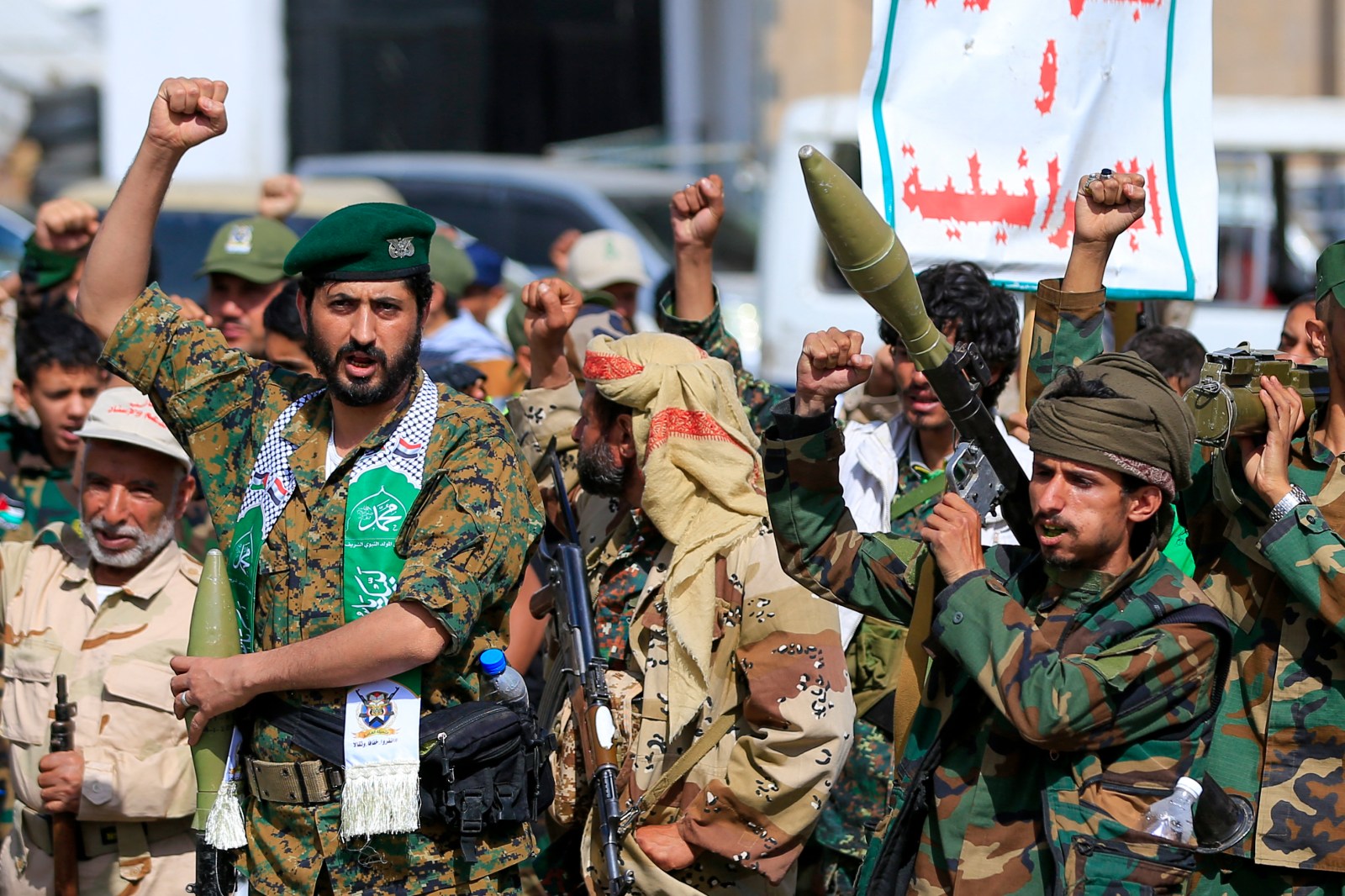
The recent conflict stems from a broader clash involving Iran and the Axis of Resistance, which includes groups like the Houthi movement in Yemen and Iraqi militias. Ansar Allah has mounted intensified cross-border assaults on Saudi Arabia, following the U.S. and Israel’s military actions against Iran that began on February 28.
Yemen Frontlines
Saudi Arabia’s challenges have mounted on the southern front, with Ansar Allah gaining ground in areas formerly controlled by Riyadh-backed forces. The takeover of the port of Mokha has marked a strategic victory for the Houthis, edging closer to the vital Bab el-Mandeb Strait.
Ahmed Nagi, senior Yemen analyst, stated: “For Saudi Arabia, this means its national interests are at greater risk. Riyadh faces the choice of political negotiation or military escalation, each with significant challenges.”
Historical Context
The history of Saudi intervention in Yemen paints a complex picture. Past efforts in the 1960s and more recent airstrikes have highlighted the difficulty of securing military success.
The April 2022 ceasefire brought some stability, yet recent hostilities rekindled tensions, marked by Saudi airstrikes and Houthi counterattacks.
New Alliances and Risks
Traditionally relying on U.S. support, Saudi Arabia is now fostering alliances with Pakistan and Turkey under the Mecca Accord. This alliance aims to create a broader security framework, but Saudi Arabia’s central position also subjects it to greater threats.
Former advisor Nawaf Obaid commented: “Saudi Arabia, Pakistan, and Türkiye are uniting to counter Iranian coercion and stabilize the region’s security dynamics.”
Economic and Security Concerns
Saudi Arabia’s economic ambitions, part of the Vision 2030 initiative, are at risk. Ongoing conflict jeopardizes infrastructure and investor confidence.
The strategic importance of the Bab el-Mandeb Strait and Saudi oil exports further complicate the nation’s approach to regional threats.
Potential Escalation
If escalations occur, the risk of disrupting global shipping routes and oil supplies increases. Acting with its allies or independently, Saudi Arabia faces high stakes.
Sanaa-based journalist Hussein Albukhaiti warned: “If conflict continues, Yemen could severely threaten Saudi oil infrastructure and regional stability.”
Future Prospects
The long-term outcome of this crisis remains uncertain. Riyadh’s strategy, whether through diplomacy or force, will shape not only its future but also regional dynamics.
Discussions around Vision 2030 and deepening regional alliances are crucial as Saudi Arabia navigates these geopolitical intricacies.
Efforts to comment by representatives of Ansar Allah and Saudi Arabia are ongoing, reflecting the urgency and complexity of the situation.