
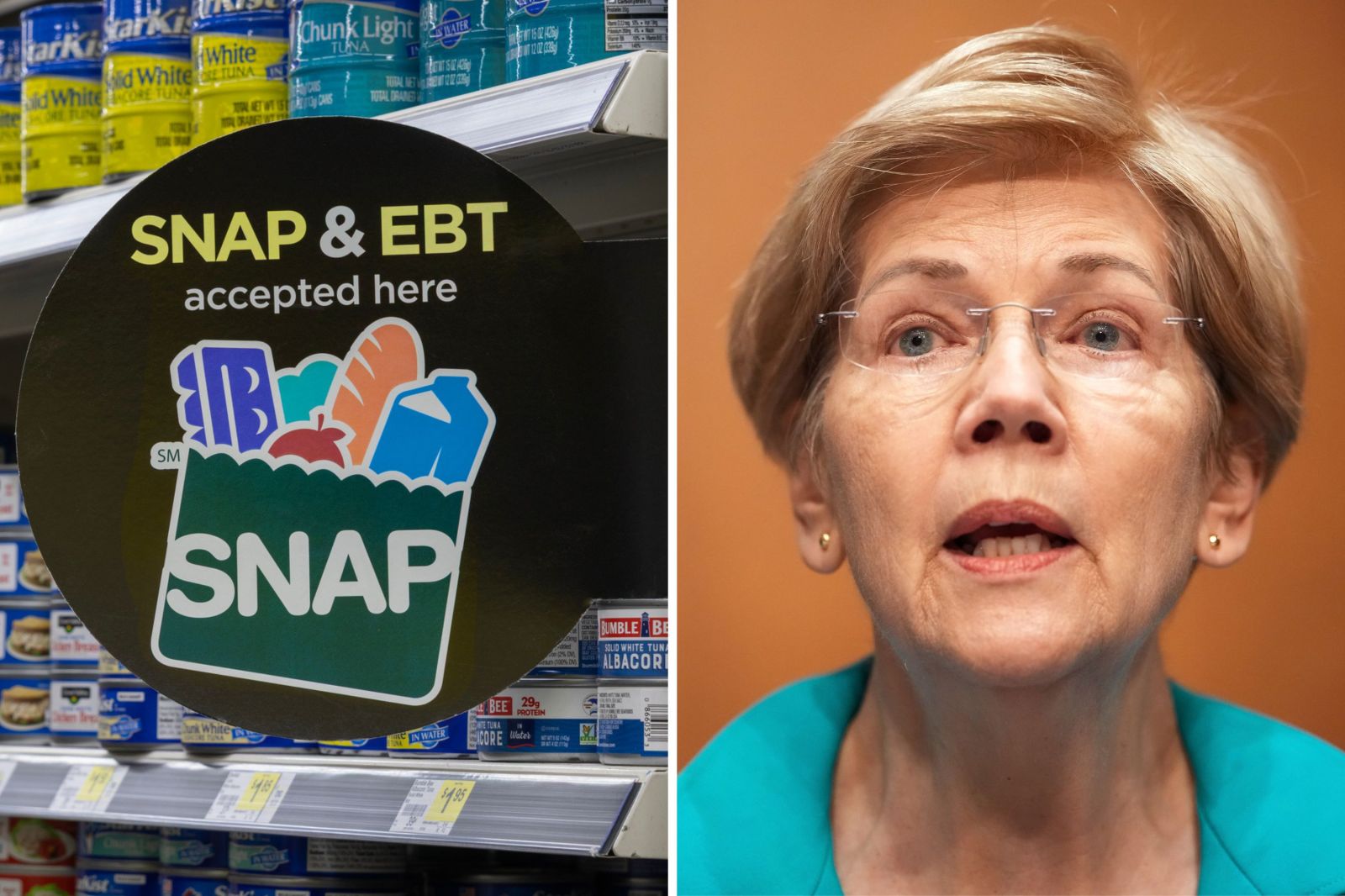
Senator Elizabeth Warren has highlighted a potential crisis for states due to a significant shift in federal funding for the Supplemental Nutrition Assistance Program (SNAP). The Massachusetts Democrat issued a warning about the impending reduction in the federal government’s share of SNAP administrative costs. This change could force states to decide between supporting SNAP or other services.
The change involves a cut in the federal contribution to SNAP administration costs from 50 percent to 25 percent. Warren emphasized that families should not face choices between essentials like food and rent, nor should states have to choose between SNAP and education funding. Warren called for Congress to undo these cuts.
This major funding shift is part of two significant changes under President Donald Trump’s One Big Beautiful Bill Act (OBBBA), which was signed into law on July 4, 2025. Starting next year, states may also have to contribute to SNAP food benefits, creating a financial burden shift from Washington to state budgets that could amount to billions annually.
Broad SNAP Funding Reductions
The Congressional Budget Office (CBO) projects that the 2025 reconciliation law, which includes widened work requirements and state funding contributions, will cut federal SNAP spending by approximately $211 billion by 2035. These overhauls are causing concern among state officials and the public.
New Cost Sharing Rules
Previously, the federal government covered all SNAP food benefits, while splitting administrative costs with states. As of October 1, 2026, the federal share of most state SNAP administrative expenses will drop to 25 percent. This shift will place roughly $16.9 billion in administrative costs on states from FY2027 to FY2031, averaging about $3.4 billion a year.
From October 1, 2027, states must also pay toward SNAP benefits if their payment error rate meets or exceeds 6 percent. States below this error rate will not pay, but higher rates will incur costs. A Senate Agriculture Committee proposal suggests delaying this requirement by a year, yet the full Senate has not advanced the bill. For now, October 1, 2027, is the critical date.
Impact on State Budgets
Analysis by the Center on Budget and Policy Priorities estimates that 35 states and one U.S. territory may face new benefit costs in FY2028, shifting nearly $9 billion from federal to state responsibility. Approximately half the states could owe $100 million or more.
States expected to shoulder substantial costs include those with notably high payment errors. However, special delays apply to states like Alaska and Oregon with high error rates, allowing them additional time before bearing full costs.
Arguments for Increased Accountability
The Trump administration and Republican lawmakers argue that these changes encourage states to reduce payment inaccuracies. The USDA recorded a national SNAP payment error rate of 10.62 percent in FY2025, equating to about $10.1 billion in misappropriated funds. They emphasize this isn’t solely fraud, but also errors in benefit calculations.
Agriculture Secretary Brooke Rollins has stated that the figures point to inadequate state accountability. Reforms are seen as vital to reducing the mismanagement of funds.
State Concerns
Governors and officials caution that these financial demands could strain state budgets. The National Governors Association and associated groups have voiced concern that the cost changes could threaten program stability. They advocate postponing the new requirements to allow states to enhance payment systems.
Specifically, New York’s administration anticipates up to $1.4 billion in new annual SNAP costs shared by state and local governments. California estimates the law could add over $2.5 billion in additional annual expenses, potentially impacting budget stability.