
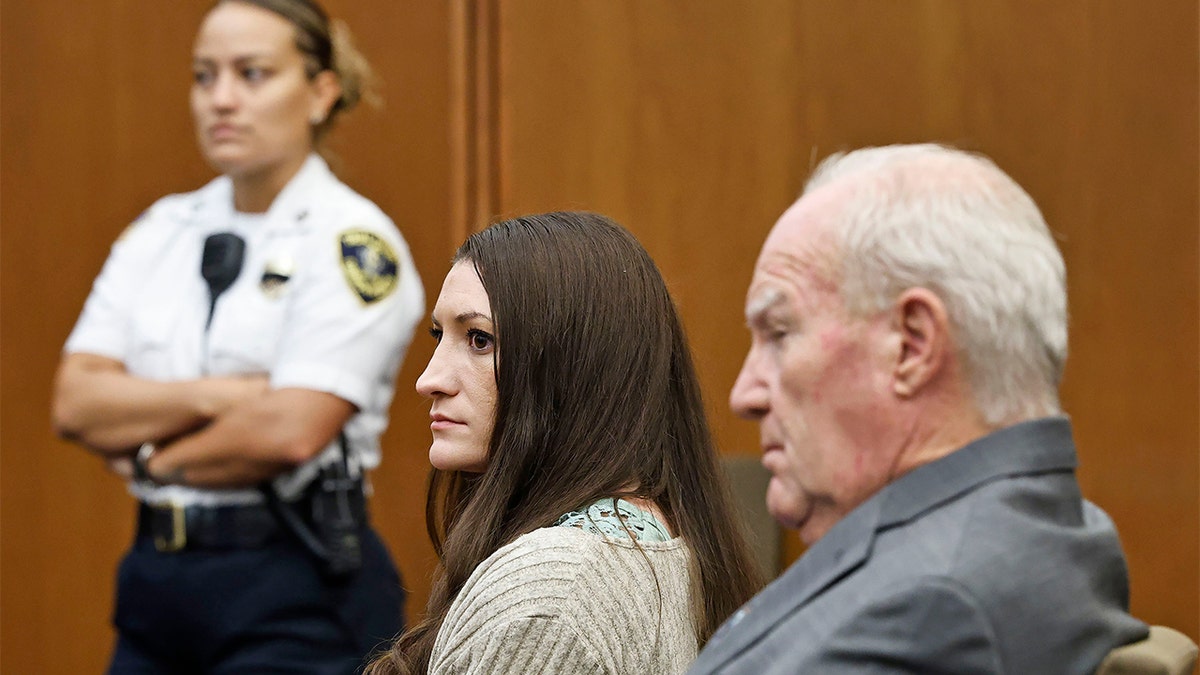
The trial of Lindsay Clancy has entered its sixth day of jury deliberations, drawing attention from former defense attorneys who have been in similar situations. Among them is David Yannetti, who played a crucial role in defending Karen Read in her Massachusetts murder trials. He empathizes with the pressure facing Clancy’s lawyer, Kevin Reddington, due to the life-impacting decisions jurors must make.
Yannetti highlighted the uniqueness of Clancy’s and Read’s cases, noting that both women are professional individuals with no prior legal troubles, yet they have been thrust into the public eye due to severe charges. Clancy faces three counts of murder for the deaths of her children: Cora, Dawson, and Callan. The jury’s verdict could range from first-degree murder to manslaughter, or not guilty by reason of insanity.
“It immediately brings back the stress and the pressure that comes from having somebody’s life in your hands,” said Yannetti about juror deliberations.
The trial has received significant media scrutiny, with the public closely watching developments. Clancy’s case is currently under the watchful eyes of Judge William Sullivan, who reiterated the prosecution’s responsibility to prove guilt beyond a reasonable doubt.
An incident occurred during proceedings when Reddington requested the dismissal of a juror. Another juror had accused the individual of not adhering to legal requirements. Judge Sullivan refused, citing the importance of jurors independently reaching their conclusions.
Social media has played a role in both public perceptions and legal strategies. Retired Judge Carol Erskine noted that judges must be careful not to interfere with jury deliberations, as seen in an X post following the trial events.
The pressure of waiting for jury decisions can be challenging for legal professionals. Yannetti described the waiting period as torture for both attorneys and their clients. Clancy is being tried for the murder of her three children, which allegedly occurred at their Duxbury, Massachusetts home in January 2023.
Public interest in the case remains high, partly fueled by social media discussions and debates over the trial’s progression. Karen Read’s previous trials ended with a hung jury and eventually an acquittal, highlighting the unpredictable nature of jury deliberations.