
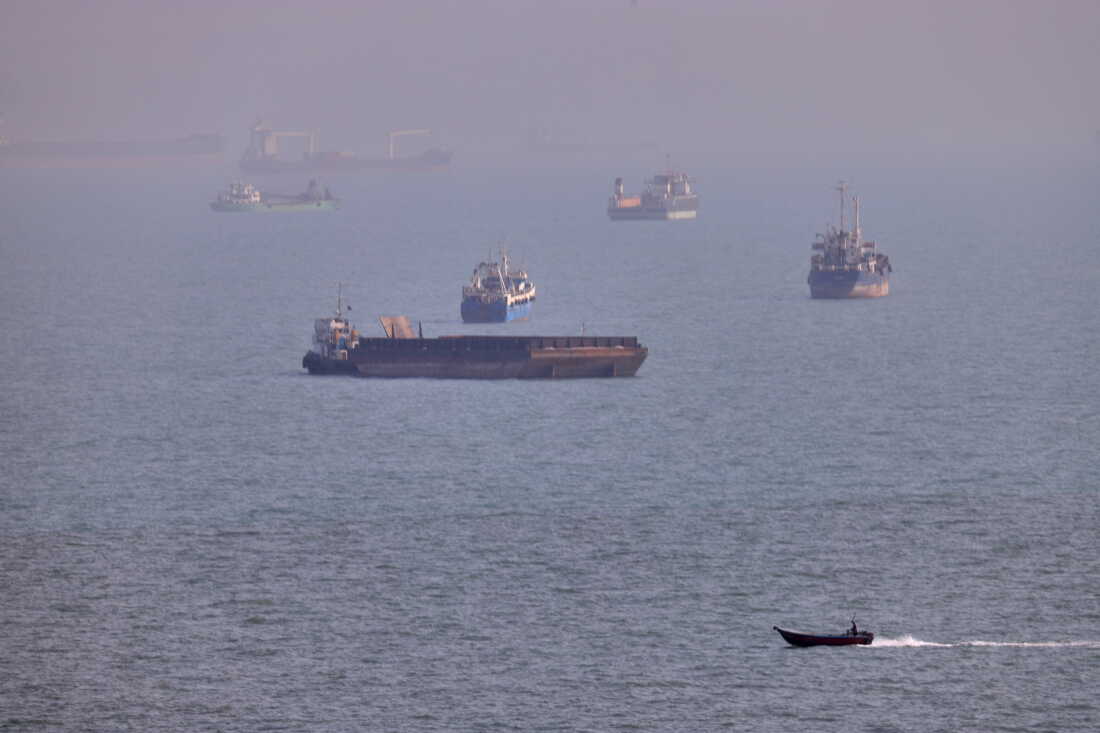
WASHINGTON — Hostilities between the U.S. and Iran have resumed after the American military targeted Iranian sites on Tuesday, provoking a retaliation from Tehran that involved missiles and drones across the region. This conflict, ongoing for over six months, saw a U.S. strike hit a home during a wedding, resulting in five deaths and many injuries, as confirmed by local officials.
The U.S. Central Command announced that the latest attack targeted Iranian military assets that included air defense sites, radar systems, and maritime facilities. These actions follow another set of strikes on Sunday, breaking a month of non-violence and threatening to escalate the conflict, which has been affecting global oil prices and complicated the political landscape in the U.S. as midterm elections approach.
Trump’s Stance on Iran
President Donald Trump clarified his position on Tuesday, stating he prefers the current situation and dismissed the urgency for Iran to engage in negotiations. According to Trump, Iran’s economy is collapsing, and he expects the Iranian populace to challenge their government. He reiterated his stance against Iran, noting that any retaliation would be met with stronger and intensified responses.
The recent U.S. strikes are claimed to be in retaliation to Iran’s attempts to target commercial and American military sites in the Middle East. Trump further explained to Fox News that Iran’s radar rebuilding efforts were targeted, crippling their defensive capabilities.
Iranian Retaliation
In response, Iran launched ballistic missiles targeting Jordan, allegedly aimed at a U.S. base along the Gulf of Aqaba. Jordan intercepted a majority of these missiles, and those that landed caused no damage. Iran also reported U.S. attacks on civilian sites along its southern coast, including a civilian airport, as per state media reports.
Iranian officials responded to the attacks with strong rhetoric, promising retribution. Ebrahim Azizi from Iran’s parliament made statements warning of consequences, while the Revolutionary Guard asserted their determination was strengthened, warning against further attacks.
The Iranian military warned of forthcoming strikes, escalating tensions in the region. Meanwhile, as oil prices surge, economic repercussions are widely felt, with U.S. gasoline prices climbing sharply.
Impact of Renewed Conflict
Despite the June interim ceasefire agreement, which had aimed to halt hostilities temporarily, both nations now find themselves participating in renewed military engagements. The willingness of either side to return to negotiations remains uncertain, adding complexity to stability in the Middle East region.
Economic strategies previously employed by the U.S. aimed to pressure Iran into compliance but have now compounded with military actions, leading to a volatile situation. The implications extend beyond regional stability, impacting global energy markets considerably.