
The recent decision to temporarily close a manufacturing facility in Canada will affect over 400 workers. The American paperboard manufacturer RYAM is blaming this closure on ongoing tariff disputes between the United States and Canada. The plant located in Témiscaming, Quebec will cease operations on September 15. The closure impacts 425 employees, as reported by Newsweek through company communication.
A RYAM spokesperson emphasized the difficulties posed by the tariff environment. They stated the business conditions have become unsustainable, making it impossible to continue operations economically. Local news outlet North Bay Nugget captured the company’s viewpoint that efforts to adapt to the current trade situation have not succeeded. The heavy tariffs imposed by the U.S. have rendered continued functioning under sustainable criteria unfeasible.
Mayor Alain Gauthier of Témiscaming likened the tariffs to a “nuclear bomb” for sectors reliant on U.S. markets, describing it as a form of “economic war.” The trade tensions have escalated recently. A new trade agreement negotiation fell apart, coinciding with the U.S. imposing up to 50 percent tariffs on $27.6 billion worth of Canadian goods on August 22. These tariffs target sectors such as agriculture, manufacturing, and consumer products, adding to current U.S. duties on steel, aluminum, and automobiles.
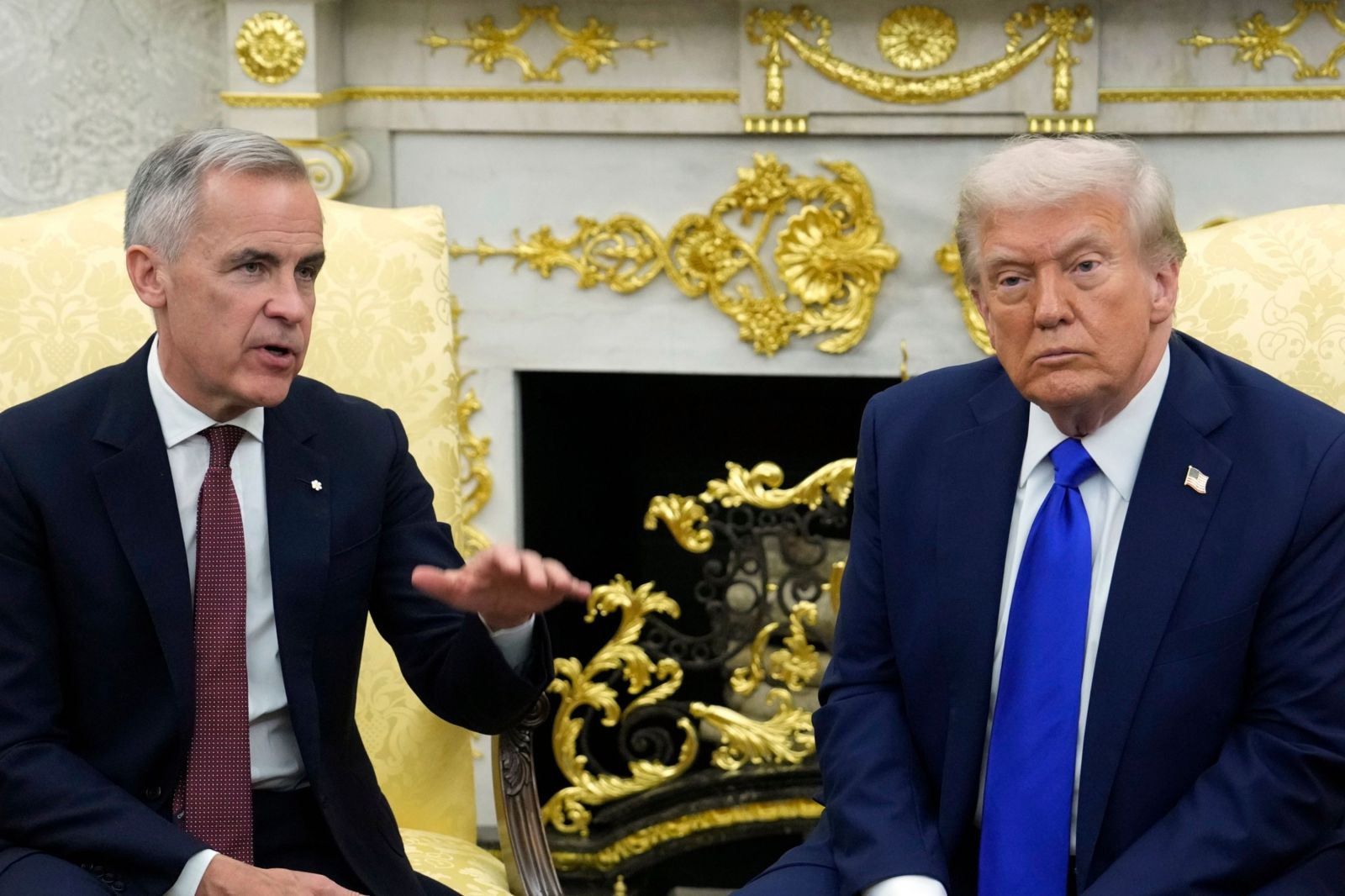
Canadian Prime Minister Mark Carney responded by suspending further negotiations. Carney claims the terms sought by Washington are detrimental to Canada. As a countermeasure, Ottawa announced it would respond with equivalent tariffs. The trade conflict between the United States and Canada is increasing, especially since President Donald Trump returned to the White House in January 2025.
The tension continued with the recent collapse of efforts aimed at reducing U.S.-Canada tariffs. The U.S., asserting discrimination against American exports, imposed tariffs of up to 50% on August 22. The U.S. Trade Representative Jamieson Greer accused Canada of unfair restrictions and preferential treatment affecting American goods and services. Greer highlighted Canada’s policies that disadvantage U.S. alcohol, dairy, and vehicle exports.
The White House attributed failed negotiations to Canada’s unreasonable demands and rejections. Trump suggested preferential market access for Canada, proposing lower tariffs on steel, aluminum, autos, and lumber. Carney indicated Canada would have retracted its retaliatory tariffs if the U.S. adjusted its own duties substantially. However, proposed terms from Washington were considered unfair, undermining agreement benefits for Canada.
In response, Ottawa declared it would match U.S. tariffs “dollar for dollar, rate for rate.” Starting September 8, Canada will impose tariffs of 15%, 25%, and 50% on $27.6 billion of U.S. imports, including steel, dairy, appliances, agricultural equipment, pulp and paper, and electronics, according to the Canadian Department of Finance. Canada has also unveiled a $7.5 billion support package for its affected workers and businesses.
Carney expressed reluctance about retaliatory tariffs. He acknowledged that they would raise costs and limit choices for consumers. The confrontation contributes to a series of tensions that began when Trump suggested Canada should become the 51st state or be subjected to U.S. economic force. Former Prime Minister Justin Trudeau dismissed these suggestions, affirming Canada’s independence.
Recent actions such as Trump renaming Lake Ontario to Lake America sparked backlash. Carney’s remarks reflect a shift in U.S.-Canada relations, recognizing a changed America and moving away from the old partnership.