
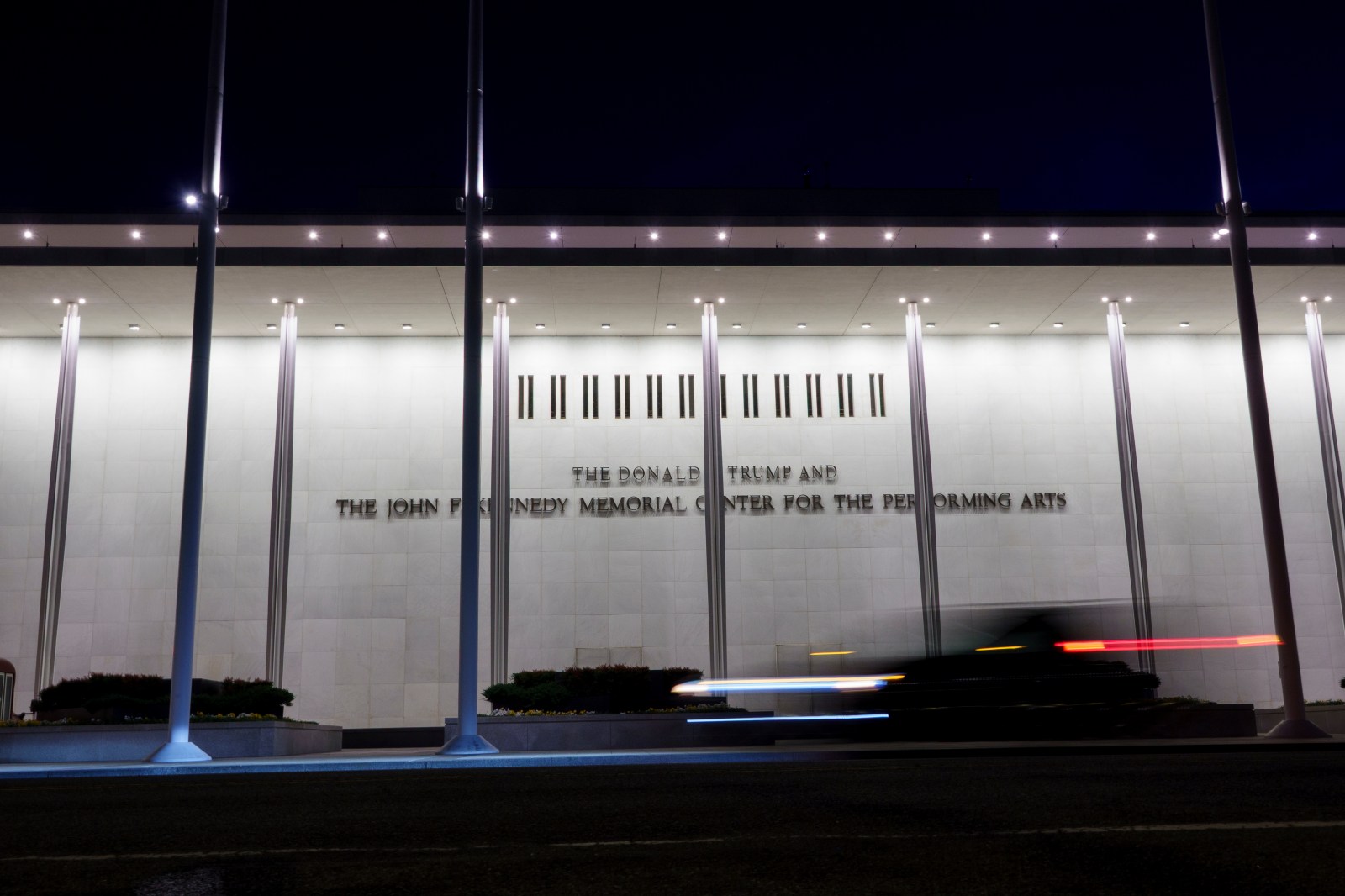
The Refusal to Rename the Kennedy Center
Commerce Secretary Howard Lutnick, alongside attorneys for the Kennedy Center, affirmed that the iconic Washington, D.C., performing arts venue would not bear President Donald Trump’s name. Despite intentions to add his name back to the building, they stood firm on not officially renaming it. Lutnick attended a critical hearing addressing the president’s push to modify the center, honoring President John F. Kennedy, and cautioned about the risk of demolition if renovation plans, involving a two-year closure, were not approved.
The judge interrupted these arguments, questioning why current leadership seemed to defy his previous order to remove Trump’s name from the building. Lutnick remarked that Trump expressed interest in preserving the institution. He added the board approved renovations supported by Trump, describing him as a significant contributor whose name they wished to acknowledge.
Background of the Court Dispute
The ongoing legal battle is rooted in Trump’s longstanding efforts to reshape the Kennedy Center since resuming office in January 2025. After appointing allies to the traditionally bipartisan board, Trump’s appointees sought greater control over the center’s operations, sparking opposition from artists, cultural figures, and some board members. This resulted in legal disputes over whether the administration could alter a federally designated memorial honoring President Kennedy.
The conflict heightened when the board voted to insert Trump’s name onto the center and authorized a significant renovation. Democratic Representative Joyce Beatty of Ohio, an ex officio board member, challenged the board’s authority to rename a national memorial established by Congress in Kennedy’s honor. A federal judge sided with Beatty, asserting that Congress solely holds the power to rename the institution.
Legal Rulings on Naming Rights
In May, U.S. District Judge Christopher Cooper commanded Trump’s name be removed from the Kennedy Center’s façade, concluding the board’s previous renaming attempt breached federal law. Cooper specified that the center’s statute mandates it as a memorial to Kennedy, with its official name determined by Congress.
The judge also opposed an earlier proposal for a two-year closure for renovations, labeling the board’s actions insufficiently justified. After the ruling, Trump’s name was removed in June, though large coverings lingered on the façade, causing controversy and additional court scrutiny over adherence to the order.
Evolving Naming Strategies
Rather than ceasing efforts, Trump’s board allies sanctioned a modified proposal in August. This move sought to retain Kennedy’s name on the building while associating Trump with it. The board approved language describing the center as the “John F. Kennedy Center for the Performing Arts Restored and Renovated by President Donald J. Trump” and decided to rename the adjacent grounds “President Donald J. Trump Plaza.” Administration lawyers contend these adjustments fall short of formal renaming since the site’s official title remains unaltered, a key issue in the current hearing.
Opponents, including Beatty, argue this indirectly achieves what the court prohibited directly. In court, opponents argued that naming the plaza equates to naming the entire complex after Trump.
Lutnick was queried on why including Trump’s name shouldn’t wait until the renovations were finished, as typically done. He responded that capturing the involvement of a significant philanthropist like Trump, who they believe will generate substantial funds, requires immediate acknowledgment.
Renovations, Donations, and Implications
The naming controversy closely intertwines with the administration’s broad renovation strategy for the aging center. Recent court documents from Justice Department lawyers emphasized the Kennedy Center faces critical financial and structural issues, necessitating extensive repairs. They argued donor support hinges on recognizing Trump’s role in the renovation, warning that obstructing the proposed inscriptions risks funding loss.
Government attorneys even suggested the threat of demolition if overdue reconstructions aren’t executed, depicting the building as deteriorating and financially unstable.
Outside the court, Lutnick stated that without proper care and with Congress not addressing the center’s needs, Trump’s intervention was rare but imperative. He cautioned that an incomplete project without Trump could lead to neglect.
Critics consider these arguments an attempt to coerce the court into permitting the Trump-related signs, framing it as a pressure tactic.
Awaiting the Judge’s Decision
As of Thursday night, the judge had not yet ruled on the issue. Reporters Jason Lemon and Sam Wilson are monitoring the developments for Newsweek.