
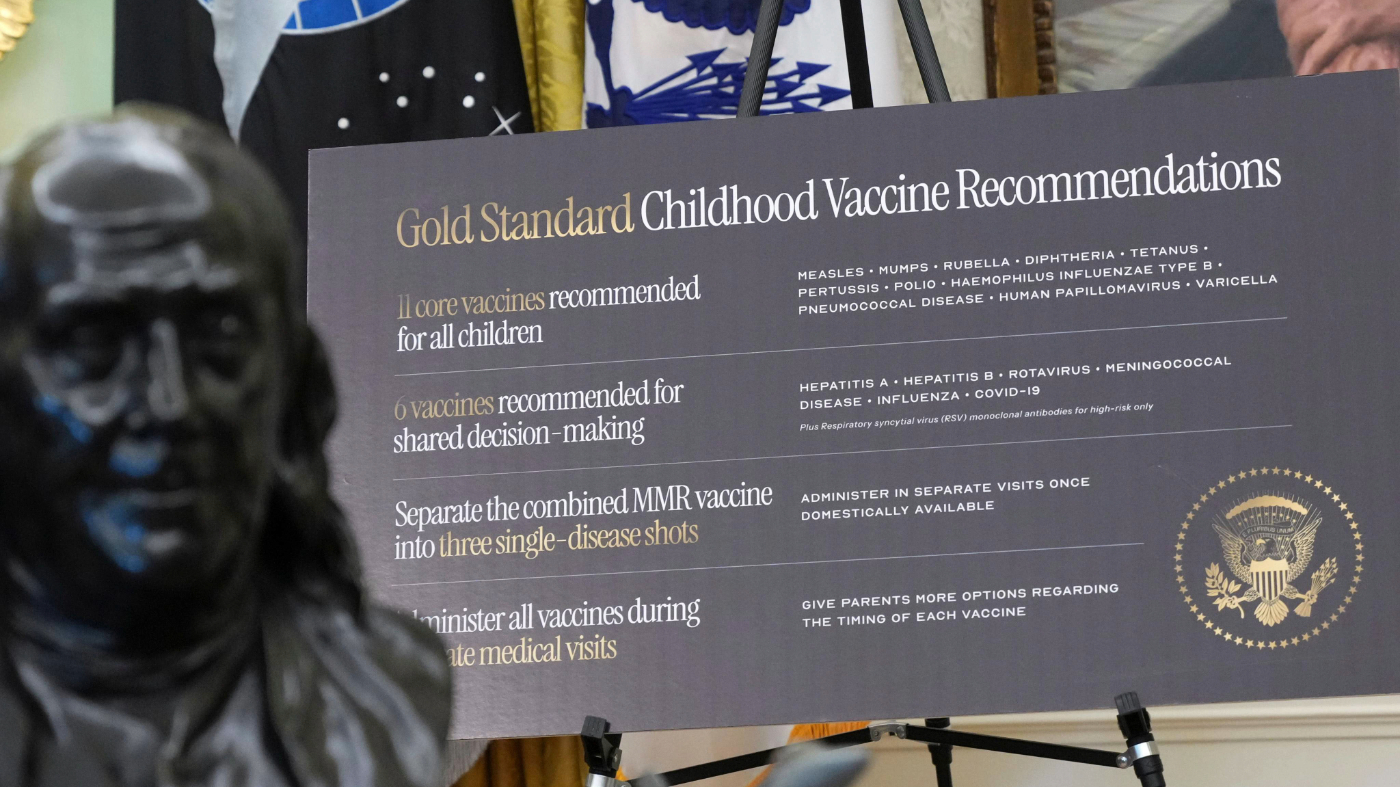
During a meeting in the Oval Office on August 10, President Donald Trump signed an executive order aiming to significantly reduce the U.S. childhood vaccine schedule. President Trump claimed this change aligns the U.S. with other developed nations.
This decision threatens American families by potentially worsening the nation’s already poor health outcomes. While Denmark and similar countries offer valuable lessons, vaccine policy isn’t one of them.
My career in analyzing global healthcare systems supports the idea that the U.S. should adopt foreign health strategies. Despite high healthcare spending, Americans have shorter life expectancies and less favorable health compared to nations spending less. Nations like Denmark, Germany, and Japan excel in health measures.
However, these successful outcomes aren’t due to different vaccine schedules. The U.S. vaccine plan parallels many peer nations, targeting similar diseases with comparable vaccines and timing.
Denmark, known for its unique strategies, reflects decisions suited to its conditions: a small, homogeneous population with universal care and low disease rates, unlike the U.S. Stronger primary care systems elsewhere provide similar protection with fewer doses due to timely care delivery.
Examining Denmark’s vaccine schedule alone is flawed. Real insight lies in exploring why its residents have better health access, outcomes, and longevity. Denmark and other countries offer universal, affordable healthcare. This includes regular primary care access, affordable prescription drugs, and free vaccines. Mothers and children receive strong healthcare support, bolstered by public health policies.
These investments result in early disease diagnosis, effective chronic condition management, and robust preventive care. Denmark’s achievements stem from long-term policy decisions fostering quality healthcare accessibility and affordability.
Currently, millions of Americans lack adequate insurance, and others face high costs despite coverage, often delaying necessary care. Prescription drug expenses lead to skipped medications or rationing. Preventable diseases and mortality rates are high, while medical debt remains widespread.
Addressing America’s health challenges starts with policies successful abroad. This encompasses making healthcare and medicines accessible and affordable, investing in primary and maternal health care, and focusing on prevention. A system promoting lifelong health outperforms one reacting to crises.
Looking abroad, particularly to nations like Denmark, Germany, and Japan, is wise for U.S. health improvement. Their success isn’t in vaccine schedules but in comprehensive health security. Effective healthcare stems from policies ensuring care as a universal right, not an exclusive privilege.