
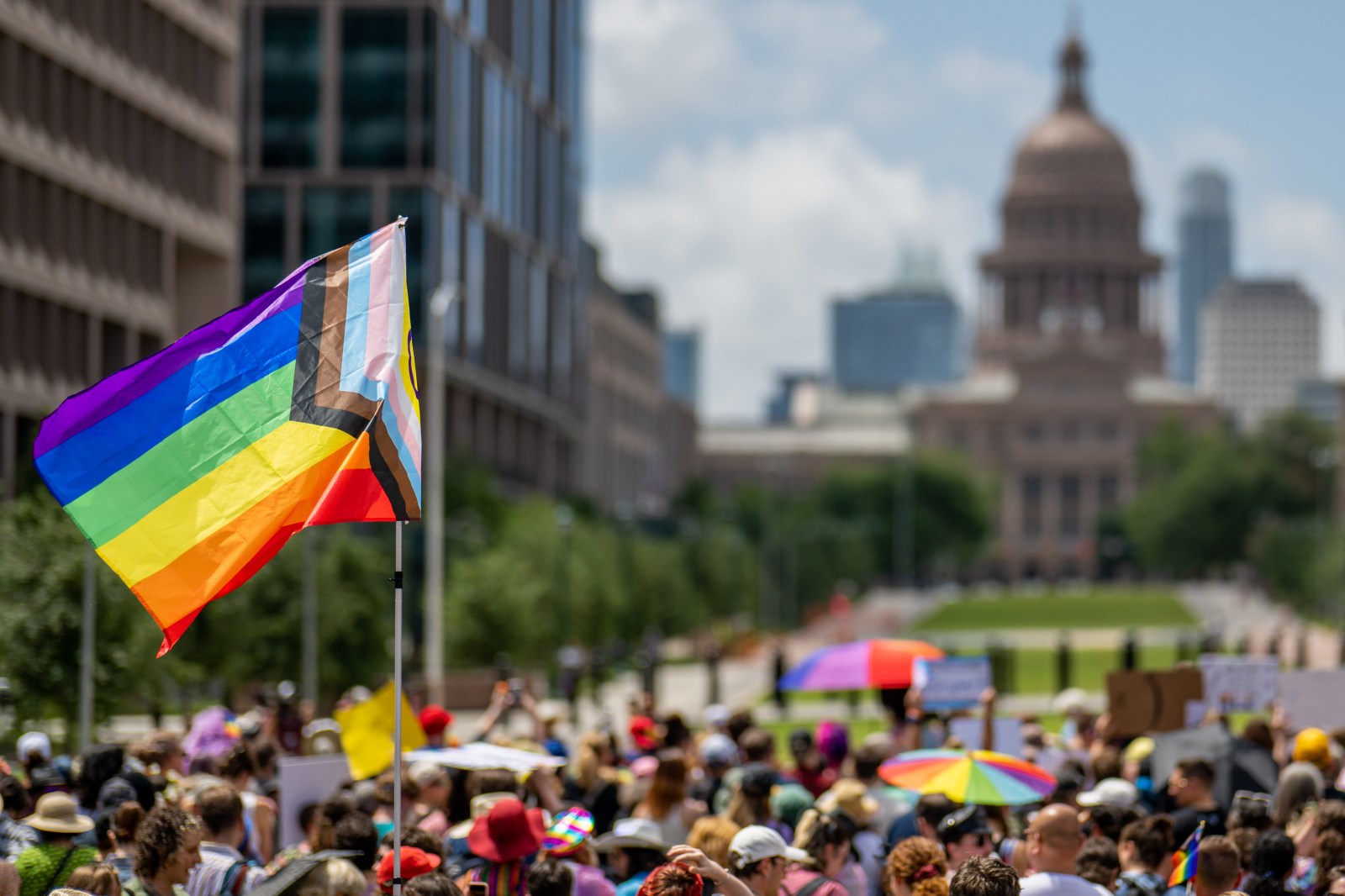
Legal Setbacks in Regulating Drag Shows
Texas faces another judicial challenge as a federal judge struck down a law restricting certain drag performances. Judge David Hittner ruled Senate Bill 12 unconstitutional, maintaining his previous decision from 2023. The legislation aimed to limit ‘sexually oriented performances,’ focusing on drag shows. He remarked that those offended by such shows could simply avoid attending.
Ken Paxton, Texas Attorney General, plans to appeal. This decision is part of a broader national conflict over transgender rights and drag shows. Republican states have sought to limit such performances, while Democratic states and civil rights groups view them as protected expression.
Similar rulings have occurred in Montana, Florida, and Tennessee, declaring such laws unconstitutional.
Restrictions Across States
Texas isn’t the only state involved. Six states have laws that explicitly or implicitly aim to restrict drag performances. Tennessee and Montana’s laws are direct, while Arkansas, Florida, North Dakota, and Texas have broader laws targeting adult performances that could impact drag events. Many of these laws face legal challenges, with supporters arguing they protect children from explicit content. Critics claim they target LGBTQ communities, restricting First Amendment rights.
Challenges to these laws often highlight their broadness and potential to limit protected speech. According to Logan Casey from the Movement Advancement Project, drag restriction attempts haven’t expanded nationwide as expected. Initial laws faced immediate lawsuits, leading to court orders blocking enforcement.
Democratic states have responded differently. Some have enhanced protections for LGBTQ individuals, framing drag shows as a free expression issue.
Public Opinion and LGBTQ Rights
The legal battles coincide with changing public views. Gallup polls show support for same-sex marriage at 65%, a decline from 71% previously. Acceptance of gay and lesbian relationships has also dropped, reaching its lowest since 2016.
Attitudes towards transgender issues have worsened, with only 38% of Americans seeing gender change as morally acceptable. Republican views primarily influence this decline, while Democrat opinions remain stable.
The LGBTQ population is rising, with about one in ten Americans identifying as part of it, compared to fewer a decade ago. Among young adults aged 18 to 29, approximately 20% identify as LGBTQ.
This creates a political paradox: growing LGBTQ visibility contrasts with increased conservative focus on transgender matters and drag shows. The ensuing social debate reflects ongoing strong support for LGBTQ rights.
Political Divide on Drag Performances
Republicans view drag shows as part of wider discourse on education, parental rights, and children’s exposure to sexual content. For Democrats and LGBTQ advocates, it’s a matter of free speech and law equality.
Judicial Arena for Drag Show Legislation
Legislative efforts faced growing legal scrutiny related to the First Amendment. In Texas, Senate Bill 12 couldn’t withstand constitutional review, facing similar legal battles as other state laws.
The result is a patchwork of enforcement across states, with some maintaining restrictions, others having laws blocked, and many never enacting such measures. Upcoming appeals make Texas’s case a key test for state control over drag performances and constitutional expression rights.
Contact Newsweek editors on this story: Jason Lemon and Gray R. Thomas.