
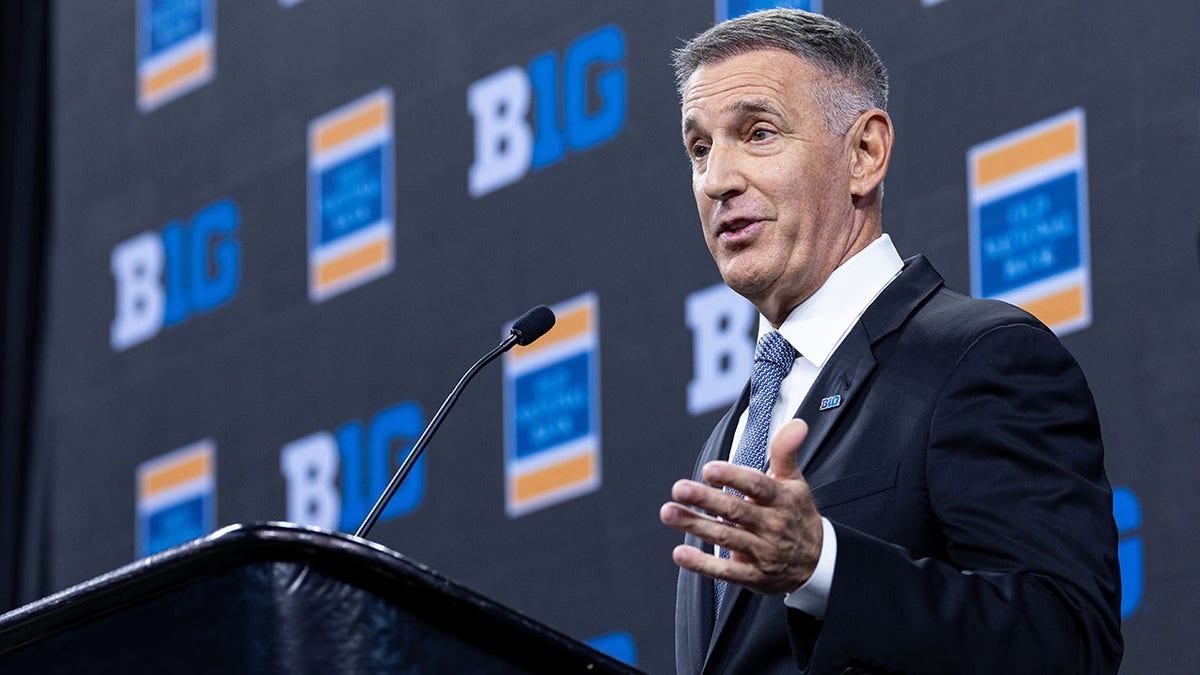
The Big Ten Conference has acted to prevent athletes with NFL contracts from participating in college sports within the conference. The decision follows incidents where former players regained eligibility through court orders, prompting the conference to vote against such practices.
Under the new Big Ten policy, athletes will not be eligible for conference competition if they have signed with a professional team, declared for the NFL Draft, or participated in professional training camps. This measure seeks to address recent rulings in several states where courts granted athletes temporary restraining orders or injunctions, allowing them to compete this season.
Courts have supported athletes seeking additional eligibility, citing the NCAA’s guidelines that allow athletes five years to play in five seasons of college athletics.
Since June, numerous lawsuits challenged the NCAA’s rules, resulting in judges favoring plaintiffs who argued for grandfathering in the new process. The situation has stirred controversy, with LSU head coach Lane Kiffin criticized for reintegrating players with NFL experience into college games. Notable instances include former Ole Miss players Dae’Quan Wright and Zxavian Harris, who have returned to college football following a Louisiana court ruling.
LSU Tigers head coach Lane Kiffin highlighted the recruitment of athletes granted a fifth year of eligibility under legal injunctions, noting the competitive nature of such opportunities for colleges nationwide.
SEC officials, including Presidents, Chancellors, and athletic directors at ongoing meetings, are largely against allowing athletes with NFL experience back into the college fold. Mississippi’s court rulings for returning athletes add complexity, especially with individuals like Texas offensive lineman Cole Hutson suing the NCAA for reinstatement.
A potential legal confrontation within the SEC looms, notably with LSU possibly challenging the conference’s stance through legal channels. SEC Commissioner Greg Sankey and other officials have expressed disapproval of these returnees, setting the stage for potential conflicts.
The ACC and Big 12 are simultaneously evaluating similar rules, indicating wider implications for college sports policy. This evolving situation in college football highlights the debate over regulations governing athlete eligibility and involvement in professional leagues.