
Oliver Stone’s Platoon, a semi-autobiographical film, marked its 40th anniversary. A character, Bunny, speaks about American culture while drinking beer. He mentions the Indy 500, highlighting cars, country music, and bravado. In 1986, this line immediately connected audiences to a specific American cultural scene.
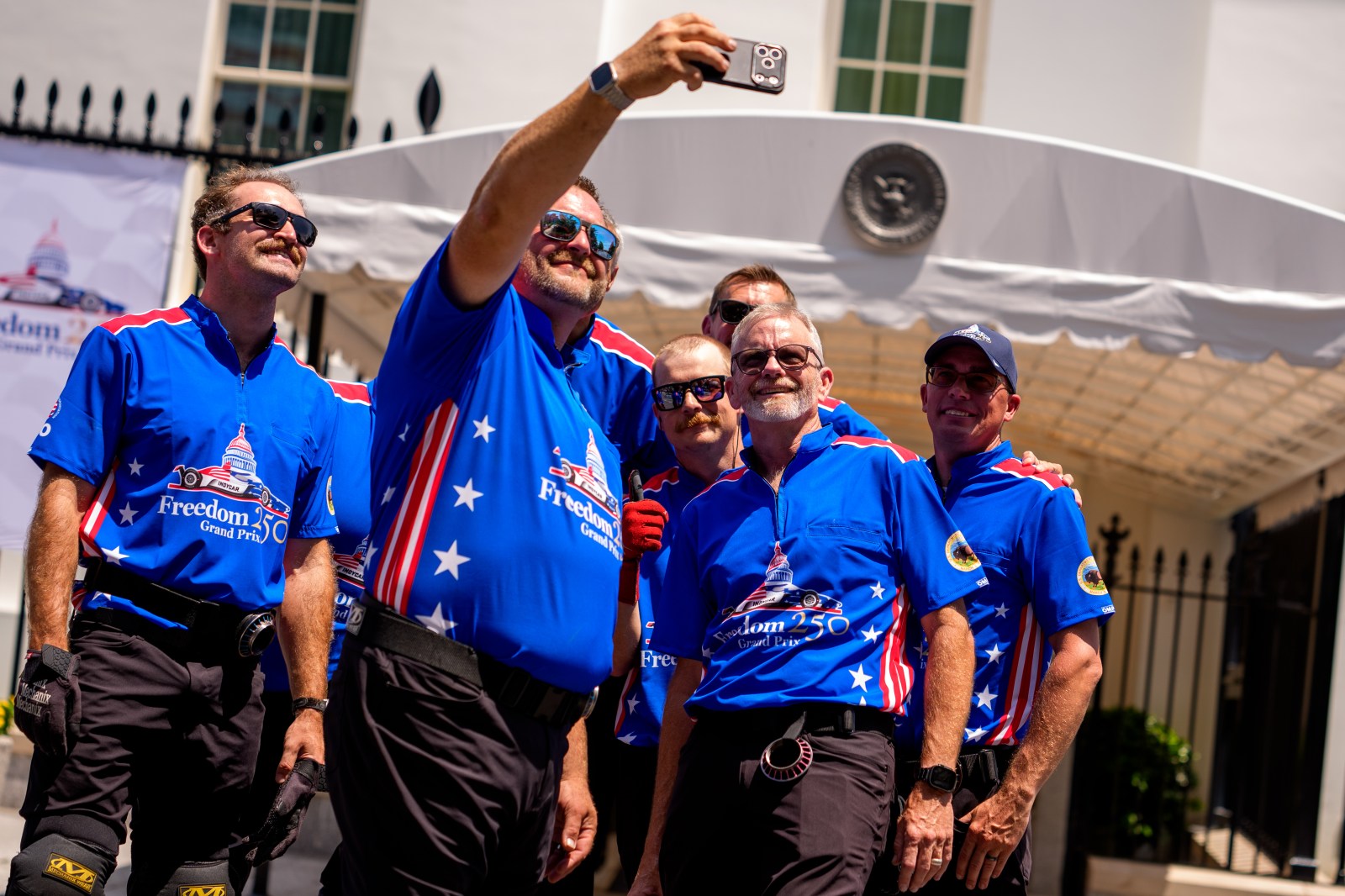
Today, the cultural landscape has shifted. At 1:10 p.m., 25 IndyCars will race around the National Mall in Washington D.C., a city known for its liberal leaning. This event, created by former President Donald Trump, highlights the contrast between cultural and political divides. The race itself symbolizes an attempted blend of different American cultures.
Trump and IndyCar Racing
Trump’s involvement with IndyCar racing dates back years. In 2011, he was invited to drive the pace car at the 100th Indianapolis 500. This invitation was met with resistance. Lawyer Michael Wallack led a campaign against Trump’s involvement, claiming he had no connection to the race. Trump eventually withdrew.
Since becoming president, Trump’s relationship with IndyCar and its institutions evolved. Roger Penske, a race-team owner who received the Presidential Medal of Freedom from Trump, bought IndyCar and the Indianapolis Motor Speedway. Penske supported Trump’s administration, highlighting changes in business and political alliances.
Trump and his allies utilized events like the UFC Freedom 250 to celebrate personal milestones and America’s 250th anniversary. These events aim to attract various audiences but often reflect deeper political undertones.
NASCAR and Cultural Stereotypes
NASCAR is often viewed as a Republican, male-dominated sport. However, statistics tell a different story. Recent data showed that 26% of NASCAR fans are between 18 to 29 years old, while women make up 41% of its audience. Additionally, 44% of fans live in urban areas.
Political preferences among NASCAR fans show some Republican leanings. A survey found one in four Republicans and one in seven Democrats identify as motor-racing fans. While there’s a difference, NASCAR remains a mainstream American sport. In fact, it draws more viewers than Major League Soccer, yet receives less media attention.
NASCAR events often offer affordable tickets compared to other major sports, making them accessible to a wide audience. The Indianapolis 500 has general admission tickets priced between $50 and $60, with free entry for children under 15. This inclusivity starkly contrasts the commonly held stereotypes.
Historical Context and Cultural Fusion
NASCAR’s roots are tied to Southern dirt tracks and bootlegging, while IndyCar emerged from the Midwest’s auto industry. The Indianapolis Motor Speedway, opened in 1909, served as a testing ground for this industry.
Modern IndyCar racing combines American and global elements. The cars feature Italian-made chassis and American-built engines. Drivers hail from diverse nationalities, such as reigning champion Alex Palou from Spain and Pato O’Ward from Mexico.
This shows a blending of American manufacturing with international talent, contradicting Trump’s ‘America First’ rhetoric. However, the sport faces challenges due to political polarization.
Hope Riester, a liberal IndyCar enthusiast, highlights this difficulty. Despite her passion for the sport, political tensions prevent her from attending events. Her experience reflects the broader struggle of reconciling political differences in America.
The Race as a Cultural Experiment
The Freedom 250 race represents a broader cultural experiment similar to the World Cup’s impact. Despite concerns, the World Cup demonstrated America’s capacity for hospitality and generosity. Visitors encountered a nation different from the politically divided image portrayed in media.
The race in D.C. similarly offers a chance for diverse groups to experience a unifying cultural event. As Italian-designed cars race with American engines, spectators from both political sides gather for a shared experience.
This event illustrates the potential for cultural reconciliation, even amidst deep political divides. It brings together two Americas, reminding them of common interests beyond political differences.