
MMR Vaccine Controversy
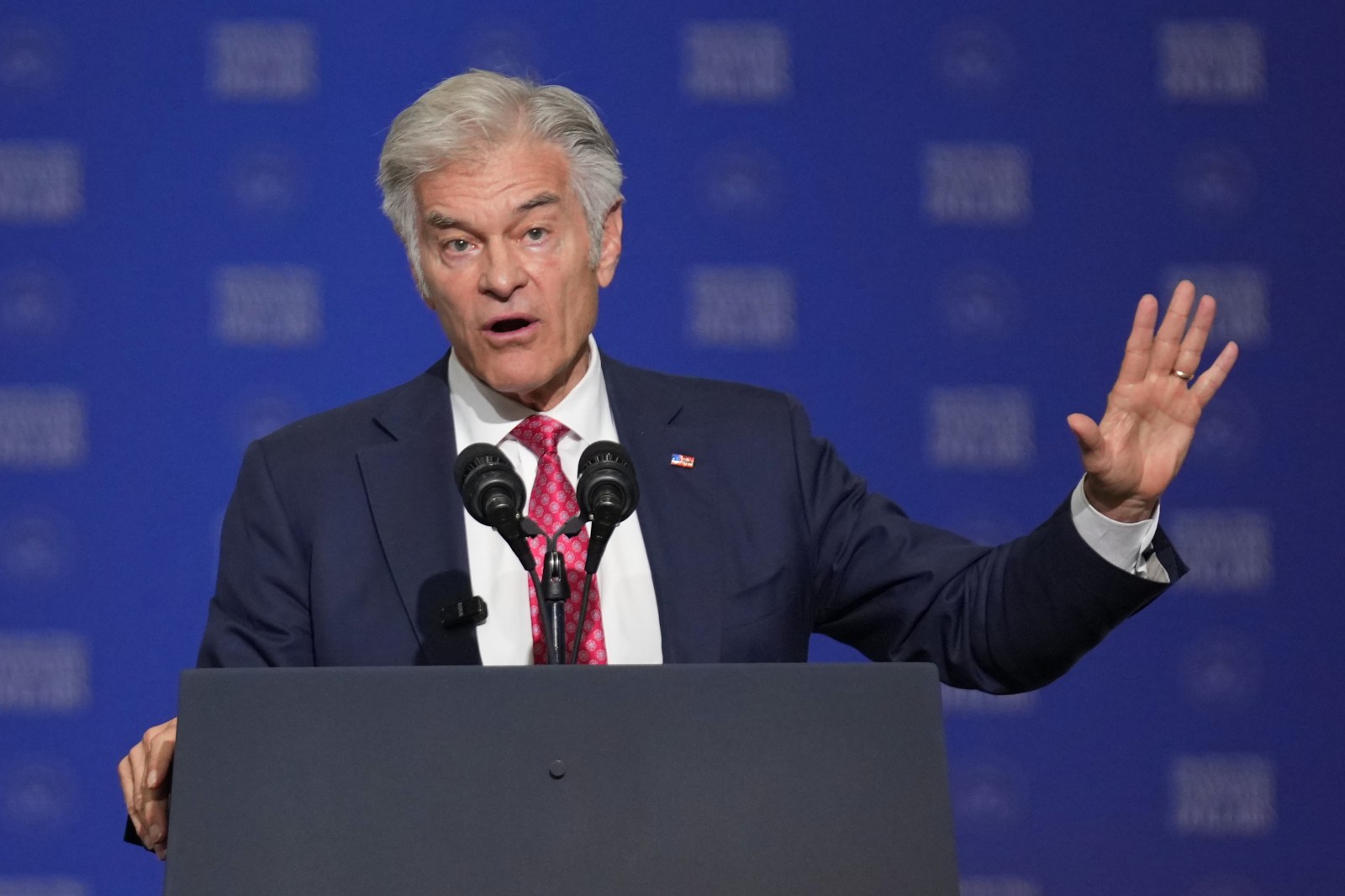
Dr. Mehmet Oz, administrator for the Centers for Medicare and Medicaid Services, countered the Trump administration’s recent messaging concerning vaccines. He addressed the issue during an appearance on CBS News’ “Face the Nation.” Oz refuted President Donald Trump’s suggestion that the combined measles, mumps, and rubella (MMR) vaccine is “a lethal vaccine.”
President Trump’s Remarks
Earlier in the month, Trump signed an executive order aimed at altering the government’s vaccine recommendations. This included splitting the MMR vaccine into separate shots, despite widespread measles outbreaks. He claimed, without evidence, that the combined MMR shot “could be quite lethal” and recommended separate doses for measles, mumps, and rubella.
Merck, the manufacturer of the MMR vaccine used for over 40 years, stated it will not provide separate shots for at least another decade. On “Face the Nation,” Oz clarified that the MMR vaccine is not a lethal vaccine and noted that other countries, such as Japan, offer individual measles vaccinations.
Japan discontinued the MMR combination in 1993 after identifying a strain of mumps causing aseptic meningitis in some children. They continue to administer separate measles and rubella vaccines, with mumps as an optional vaccine. Health officials in Japan began providing measles booster shots in 2006, leading to better protection among younger populations.
Public Health Context
Oz’s comments coincide with federal authorities’ efforts to promote high immunization rates amidst declining vaccination coverage across the nation. The Centers for Disease Control and Prevention (CDC) data highlighted that 92% of U.S. kindergarteners received the MMR vaccine during the previous school year. This falls short of the 95% threshold needed for herd immunity against measles.
Significant measles case resurgences have been observed nationwide. Medical experts hold that the combined MMR vaccine remains safe and effective. Conversely, Trump suggested potential effects on autism rates, though research shows no link between the MMR vaccine and autism.
Trump’s New Vaccine Order
The executive order directs the Department of Health and Human Services (HHS) to develop separate MMR shots domestically and proposes spacing out all childhood vaccines. However, public health groups argue the order lacks scientific backing. The Partnership to Fight Infectious Disease cautioned that such changes, amidst ongoing measles outbreaks, heighten risks of preventable illnesses.
Senator Bill Cassidy echoed concerns, highlighting that splitting the MMR shot might increase vaccine hesitancy. Currently, single-antigen MMR vaccines are unavailable in the U.S. Manufacturers have shown little incentive to produce separate products.
The CDC’s schedule remains unchanged despite the executive order, recommending the combined MMR vaccine at 12–15 months and 4–6 years. CDC officials are reviewing the order and await guidance from HHS. State health departments advise following the existing schedule, noting the ongoing measles outbreaks and the vaccine’s proven effectiveness.