
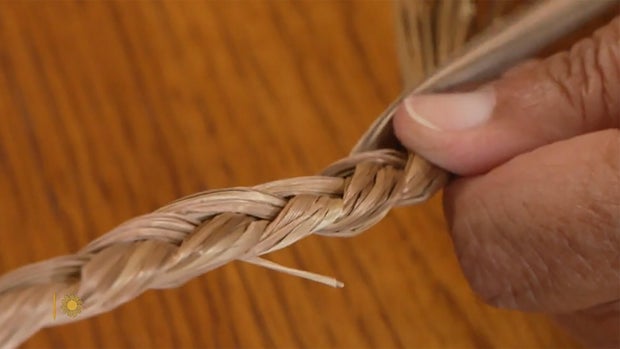
Robin Wall Kimmerer, a botanist and member of the Citizen Potawatomi Nation, embraces a philosophy where humans are intrinsically connected to the environment. Her book, “Braiding Sweetgrass: Indigenous Wisdom, Scientific Knowledge and the Teachings of Plants,” underscores this bond between nature and humanity, and has resonated with readers, selling over two million copies since its publication in 2013.
In her work, Kimmerer aims to amplify the voices of plants and the land. “I found that people were listening,” she explains. Her perspectives reflect her diverse identities as a mother, grandmother, scholar, and indigenous community member, creating a holistic worldview that ties together the ecological and traditional knowledge systems.
On her land in Syracuse, N.Y., Kimmerer demonstrates the complementary colors of plants like the New England asters and goldenrod to convey the idea of complementary knowledge systems. She refers to trees as kin, such as “Grandmother Maple,” illustrating the respect and relational approach she fosters towards nature. Her ‘Plant Baby Plant’ initiative is one such effort to encourage tree planting as a response to climate challenges.
Through book events and campaigns involving Native communities, like those in Traverse City, Michigan, Kimmerer advocates for ecologically grounded economic principles based on reciprocity and gratitude, rather than commodification. Her recent book, “The Serviceberry: Abundance and Reciprocity in the Natural World,” articulates this viewpoint through tangible examples like serviceberries, stressing a gift economy rooted in sharing abundance and fostering gratitude.
Kimmerer portrays nature’s gifts as integral to understanding ecological systems, challenging the prevalent exploitative status quo regarding resource consumption. Her literature promotes the radical notion of modeling human systems after the harmony found in nature. She views this not only as a literary creation but as an essential philosophical shift necessary for planetary health.