
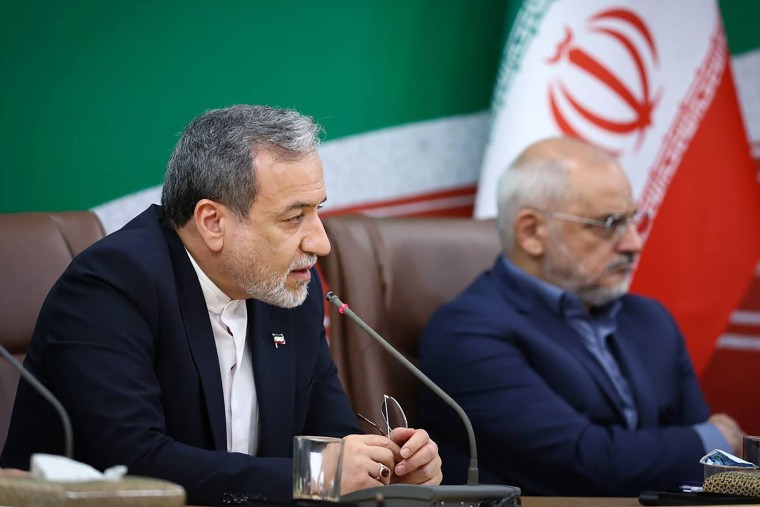
Iran’s foreign minister described the threat of new U.S. sanctions as an act of desperation, asserting the measures will not succeed in defeating Tehran. Despite facing severe economic pressure from international sanctions, Iran remains defiant. The threat comes from U.S. Treasury Secretary Scott Bessent, who plans to announce stringent sanctions.
Tehran has faced significant challenges due to international sanctions and military strikes. These difficulties include repeated infrastructure damage and numerous casualties from attacks since February 28. Yet, Iran stands resolute, with its blockade in the Strait of Hormuz affecting global oil prices.
In remarks shared on Telegram, Iranian Foreign Minister Abbas Araghchi highlighted the consistent return to familiar strategies by U.S. leaders. He stated these efforts reflect desperation. During a press conference in Tehran, Araghchi emphasized the need for respectful dialogue to seek solutions based on justice and honor. He expressed confidence that U.S. actions, including economic blockades and military maneuvers, have consistently failed.
President Donald Trump warned of economic repercussions for countries offering support to Iran and urged China’s cooperation, as the latter is a major buyer of Iranian oil. Meanwhile, China advocates for diplomacy.
Pakistan’s army chief, Asim Munir, is set to visit Tehran to discuss regional peace and security. The visit follows Pakistan’s mediating role in the conflict, with their government suggesting Munir will address the U.S. sanctions threat.
Trump noted Iran’s willingness for a deal but questioned its readiness to negotiate a suitable agreement. U.S. attacks have significantly weakened Iran’s economy and military, though Iran retains capabilities to disrupt oil traffic and engage regional adversaries.
Iranian Parliament speaker Mohammad Bagher Ghalibaf revealed numerous messages from neighboring countries about forming new regional security and economic partnerships. He criticized the U.S. for compromising ally security for Israel’s interests and advocated for a self-determined regional order.
Trump has not yet realized goals set at the war’s outset, including dismantling Iran’s nuclear program, as U.N. inspectors are barred since 2025. Despite sanctions, Iran remains defiant, with President Masoud Pezeshkian advocating for a diplomatic resolution to the conflict. He urged an end to the war to preserve Iran’s strength and dignity, recognizing their perceived victory and global acknowledgment of the U.S.’ violation of regulations.