
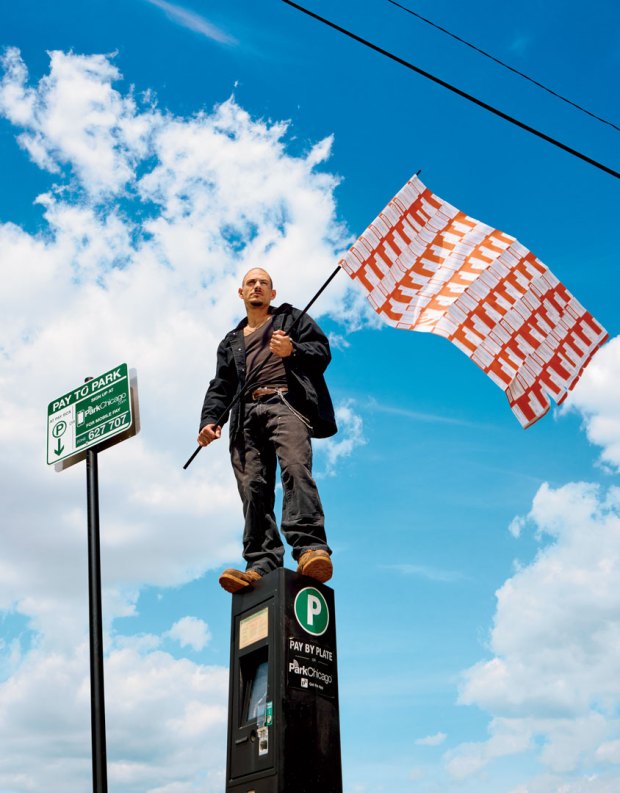
Many wish they had known earlier that adulthood includes hidden challenges and daily frustrations. It’s the small injustices and inconveniences that stack up, like potholes or tricky air travel. Occasionally, someone’s creativity shines through, offering relief. I encountered one such story about a man in Chicago who found a clever way to handle parking costs.
Chicago’s Parking Conundrum
Street parking in Chicago is a significant concern. This stems from a decision in 2008, where the city leased 36,000 parking meters to investors for $1.16 billion. This deal now appears to have been disadvantageous for the city.
Many see it as an emblem of questionable political decision-making. But for Chester, a 33-year-old Chicagoan, it was a challenge. Faced with constant parking fees, he decided to explore weaknesses in the system. His approach was simple: don’t feed the meters and pay the occasional ticket.
A Risky Strategy
Chester noticed that enforcement in his area was inconsistent. He calculated that paying occasional tickets was cheaper than daily meter fees. His plan was to take advantage of the fact that while parking fees benefited the leaseholders, ticket revenue went directly to the city.
Over two years, Chester saved $1,500. His approach might seem like a small rebellion, but it highlights flaws in the system.
“If I’m going to pay the city for parking, I should pay the city — not a private company.” — Chester
The Controversial Meter Deal
The 2008 parking meter agreement with Morgan Stanley has been heavily criticized. Critics argue the city missed out on significant revenue by signing such a long-term lease. Officials defended the decision as necessary during a financial crisis.
Municipal finance expert Justin Marlowe observed that while the deal filled a temporary budget gap, it arguably left hundreds of millions on the table for taxpayers.
Enforcement and Public Sentiment
Understanding the city’s parking enforcement is challenging, both employees and private contractors are involved. Efforts to access detailed information on enforcement strategies were met with resistance.
It’s clear that disparities in enforcement lead to opportunities for citizens like Chester to avoid costs, further provoking frustration over the meter deal.
The Future of Parking in Chicago
Private equity firm Stonepeak Partners recently purchased Chicago’s meter lease. Despite the high price, concerns about long-term viability persist. Changes in work patterns and emerging technologies may reduce parking needs.
The debate over this deal continues, with discussions around potentially buying back the meters. But, the complexities and costs remain significant hurdles.
Legal Attempts and Possible Innovations
Thomas Geoghegan, a lawyer, has repeatedly challenged the legality of the lease without success. Attempts to break it, like invoking antitrust laws, have been rejected by the courts.
Privatization remains contentious. Critics argue for increased transparency and better terms if the city revisits public-private partnerships. There’s hesitation about privatization’s impact based on past experiences.
For now, creative resistance strategies like Chester’s offer an individual response to systemic issues faced by Chicagoans.