
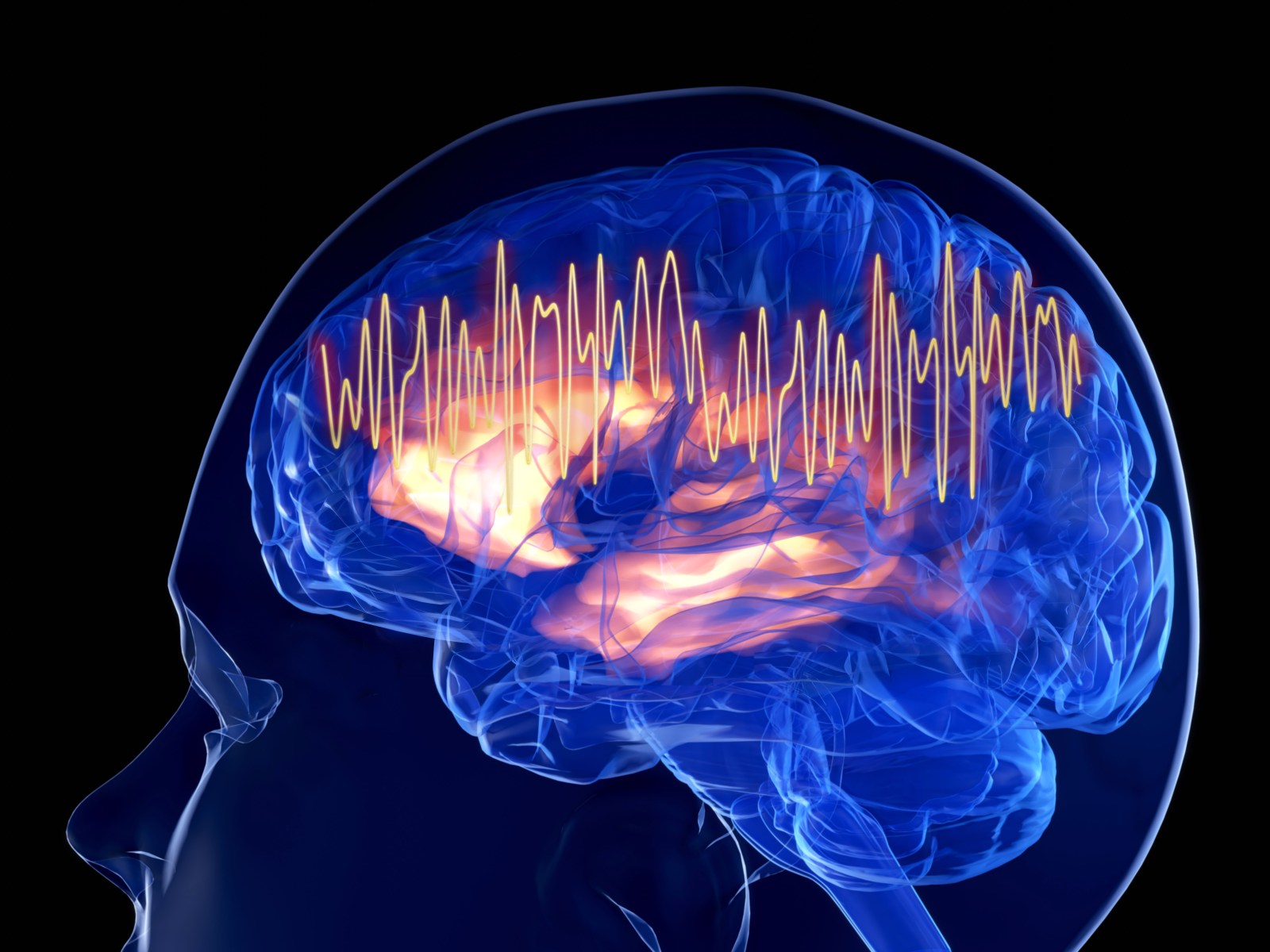
Recent research indicates that adults who experienced trauma in their childhood are more likely to exhibit apathy later in life. This connection is linked to alterations in a brain region crucial for memory. Matthew Leahy, a licensed clinical psychologist not involved in the study, shared with Newsweek that the findings support observations made in his practice. He noted that what might appear as laziness or disengagement in trauma survivors could stem from changes in how they experience or anticipate rewards.
The Study on Anhedonia and Apathy
The study, conducted by researchers at Temple University and the University of Oregon, concludes that childhood trauma correlates with apathy and a diminished ability to feel pleasure, known as anhedonia. Described by the Cleveland Clinic as an “inability to experience joy or pleasure,” this condition often leads to feeling numb and disinterested in previously enjoyed activities. Such symptoms are common in many mental health conditions, including depression.
The study highlights that the most significant effects appeared in individuals whose brain scans showed disrupted activity in the hippocampus, traditionally linked to memory but now connected to motivation and reward response.
Research Methodology
Researchers surveyed 92 participants, including 37 men and 55 women, to assess their childhood experiences and adult pleasures. The sample was selected to include a high number of individuals prone to anhedonia. Although the sample is small, participants underwent functional MRI scans to observe brain activity through blood flow changes.
The research focused on the hippocampus and its connections to other areas involved in reward and motivation, like the ventral tegmental area and the nucleus accumbens. Measurements included resting connections and the hippocampus’s response to new experiences.
Key Findings
The study identified a trend where trauma survivors reported higher apathy levels. Those with disrupted connections between the hippocampus and reward-related areas exhibited more significant anticipatory anhedonia. Co-author Vishnu Murty mentioned this study is “among the first” to link the hippocampus with apathy, beyond memory functions.
Researchers aim to identify specific targets within the hippocampus to restore the ability to feel pleasure after childhood trauma.
Implications for Trauma Discussion
Leahy emphasized that these findings expand the narrative around trauma, which often focuses on fear and anxiety. He stated that trauma could impact systems related to motivation and the anticipation of rewards. Unresolved trauma can influence worldviews and interactions even if one cannot directly connect past experiences to present behavior.
Leahy also cautioned against overinterpreting the study since it involved fewer than 100 participants and showed association rather than causation. He stressed that experiencing childhood trauma doesn’t predestine a person to develop apathy or anhedonia but offers a potential understanding pathway for varied responses to adversity and a target for future treatments.