
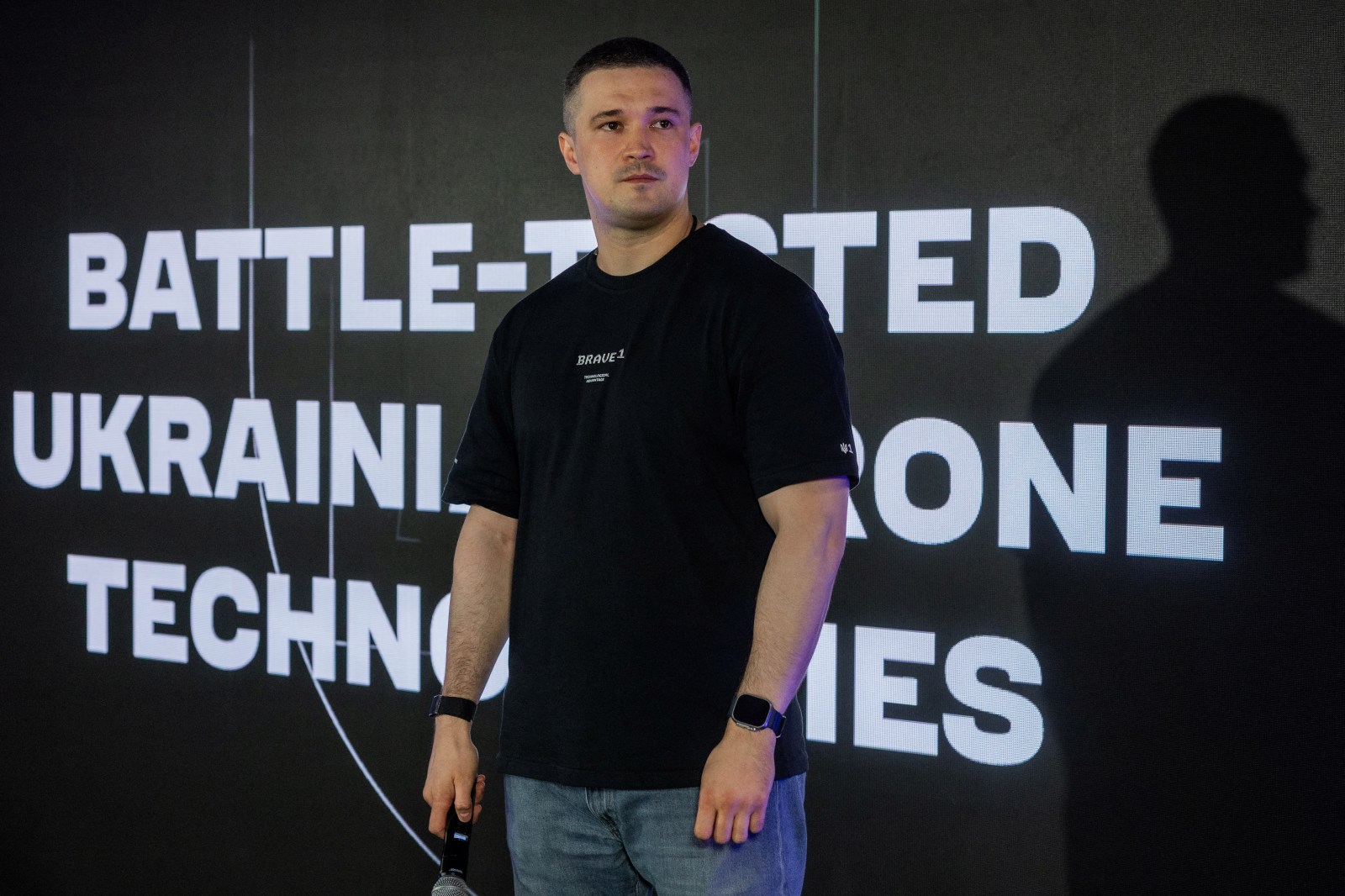
The last few days have been turbulent for Ukrainian President Volodymyr Zelensky. Anti-corruption officials raided the office of his deputy chief of staff, Iryna Mudra, and another prominent lawmaker. This incident occurred shortly after a popular minister dismissed by Zelensky in July called for new elections despite the ongoing martial law in Ukraine.
In a YouTube address, former defense minister Mykhailo Fedorov stated that “democracy is not a peacetime luxury,” urging that a mechanism for a vote must be found amidst corruption scandals in Kyiv. He did not mention Zelensky’s name, but his message challenged the legitimacy of Zelensky’s administration.
Fedorov’s statements hold significant weight, as he was a close aide to Zelensky until recently.
Public Sentiment on Elections
Fedorov’s demand for elections may not align with public sentiment. According to the Kyiv International Institute of Sociology, a majority of Ukrainians oppose holding elections during the ongoing Russian attacks. Only 15 percent of respondents supported elections during the conflict, while over 57 percent preferred postponement until a peace agreement is reached. An additional 23 percent favored elections only after a complete ceasefire with reliable security guarantees.
Even among those who distrust Zelensky, only 44 percent supported elections during active hostilities.
Zelensky’s approval dipped this summer, but discontent does not necessarily translate to a desire for a leadership change amidst the crisis.
Fedorov’s Position
Fedorov appears to be attempting to link various sentiments against the current government. However, polling results indicate that the Ukrainian public prefers stability during conflict. Ukrainian law supports postponing elections while martial law is in effect, making Fedorov’s proposal mostly unfeasible according to experts.
Orysia Lutsevych of Chatham House suggests that Fedorov’s call is more about applying public pressure on Zelensky than a viable political option.
Fedorov’s Background
Although relatively new to politics, the 35-year-old Fedorov has already become a significant figure. As digital minister, he gained European recognition for digitizing public services. He also played a key role in modernizing Ukraine’s defense systems and advocated for transparency in military procurement.
Fedorov’s dismissal from the Defense Ministry sparked public backlash, as he represents the belief that the Ukrainian government must improve its efficiency and integrity, war notwithstanding.
Approximately seven in ten Ukrainians indicate support for joining the European Union, per a survey by SOCIS. Ukraine is in talks with the EU regarding necessary legal, political, and economic reforms.
Despite raids on the presidential office, Ukraine has a path to tread before meeting EU standards. Fedorov argues that major political changes are essential for EU integration.
European Perspectives
Lutsevych notes that Ukraine’s European partners largely oppose elections during wartime and are unlikely to support Fedorov’s challenge to current norms.
The Role of Valery Zaluzhnyi
Discussing Ukraine’s presidency requires mentioning Valery Zaluzhnyi, the former commander-in-chief now serving as ambassador to the UK. He’s viewed as a potential future presidential contender. Despite his popularity and critical stance on NATO, he does not advocate for a presidency run during ongoing hostilities.
Zaluzhnyi remains focused on his current role, wary of inciting division in a nation fighting for its existence.
While Fedorov is recognized for his leadership, he does not currently pose a significant challenge to Zelensky. SOCIS polling places him behind both Zelensky and Zaluzhnyi in potential presidential support. Presently, amid ongoing conflict, most Ukrainians believe a presidential election is an issue to address in the future.