
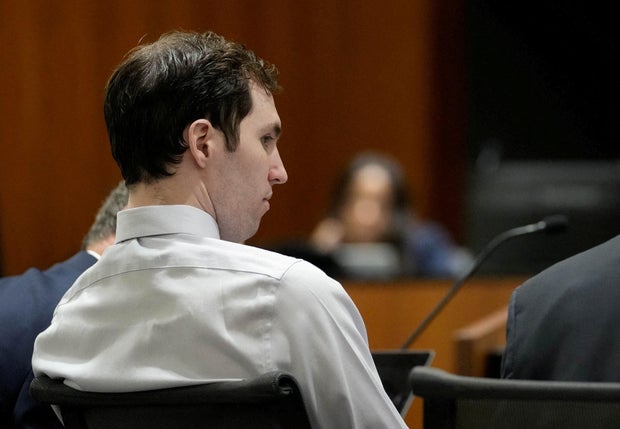
On Tuesday, prosecutors in the killing of conservative activist Charlie Kirk presented a key piece of evidence: an engraved bullet. They argue it highlights a political motive, stating the inscription “Hey Facist! CATCH!” targets Kirk for his political beliefs. Tyler Robinson, the defendant, might face the death penalty, with prosecutors emphasizing political targeting as an aggravating factor.
The shooting incident occurred on September 10 at Utah Valley University during Kirk’s event. Prosecutors argue that the act endangered many attendees, which could further support seeking the death penalty. Robinson, 23, turned himself in the day after the incident but has yet to enter a plea. He faces charges, including aggravated murder, and recently attended a hearing in Provo, Utah.
Following a five-day preliminary hearing, Kirk’s family expressed their hope for truth and fairness as the case progresses. Overwhelming evidence was presented against Robinson, according to the family. Judge Tony Graf will decide on moving the case to trial after a subsequent hearing.
Court documents reveal that the engraved bullet was deemed an “overt political reference.” Additionally, a text from Robinson allegedly mentioned using hatred as motivation against Kirk. Robinson’s attorneys, however, question the strength of this evidence, asserting it lacks a clear indication of political motivation.
Before his death, Kirk co-founded Turning Point USA, a group credited with mobilizing conservative young voters. His views on contentious issues, such as opposition to same-sex marriage, contrasted with Robinson’s life, who prosecutors claim had a romantic relationship with his roommate, Lance Twiggs. Twiggs acknowledged considering gender transition around the time of the incident. He stated in a court interview that Robinson had not previously discussed Kirk or LGBTQ+ rights in detail but occasionally touched on political topics.
In July’s hearing, investigators linked Robinson to the suspected murder weapon and a tool used for bullet engraving through DNA analyses. The defense challenges the validity of this DNA evidence, arguing for its potential inaccuracy. Additionally, they dispute claims of endangering multiple people, noting the target was hit intentionally.
Prosecutors maintain that others near Kirk during the shooting were in a “zone of danger,” necessitating further legal scrutiny. The case continues to draw significant attention as legal proceedings unfold.