
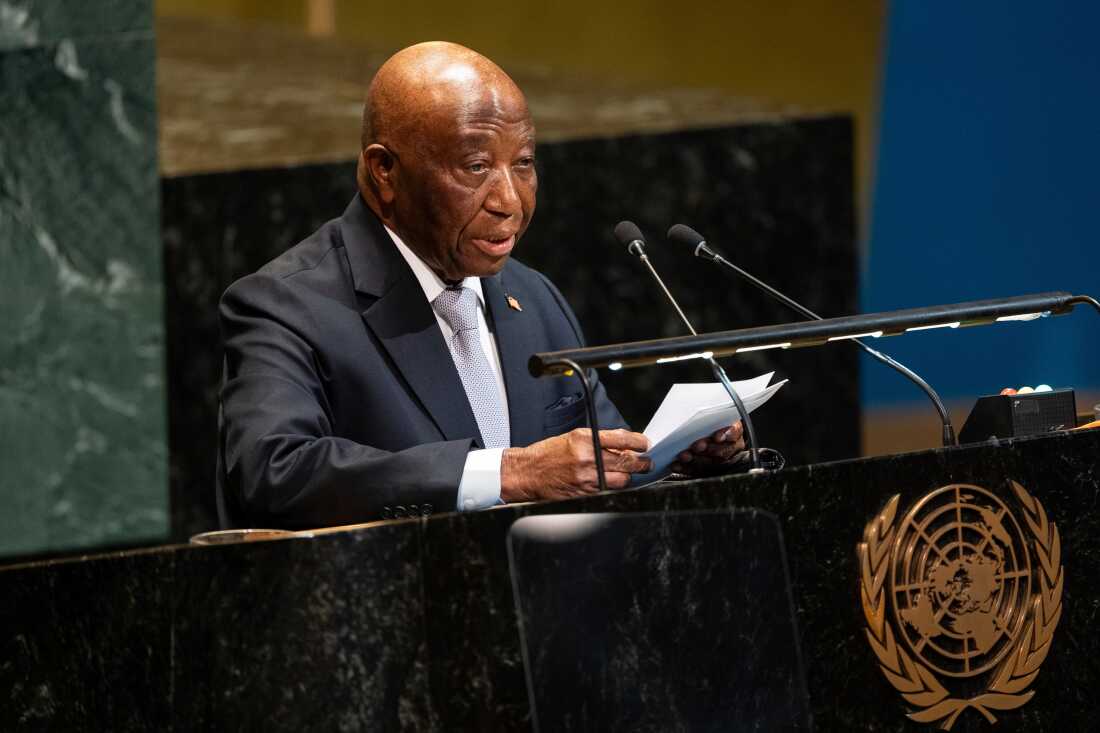
MONROVIA, Liberia — Liberia has consented to receive up to 1,200 deportees from the United States, officials in the West African nation announced on Tuesday. This forms part of the Trump administration’s extensive immigration policies.
The deportees are scheduled to arrive within a year with the initial group of 20 arriving on Thursday, according to Liberia’s Information Minister Jerolinmek Piah. This group will consist of individuals from various regions, including Africa, North America, South America, and the Caribbean.
The Trump administration, under often confidential deals, has deported thousands to nearly two dozen nations, many of which are not the individuals’ home countries. Advocates reveal this process affects about ten African countries. A significant controversy in these arrangements is that they may involve individuals who have received orders from U.S. immigration judges protecting them from being returned to their original countries due to safety threats. The specifics on whether the deportees to Liberia hold such protection orders remain undisclosed.
Liberia’s Justice Minister Natu Oswald Tweh indicated during the briefing that the nation has verified the list of migrants prior to their arrival. “Most of these individuals have committed immigration violations and offenses,” he stated. They might either seek asylum in Liberia or choose to depart the country at their discretion, Piah added.
According to Piah, Liberia will receive U.S. support to facilitate the program and bolster its migration framework. “Liberia’s action is purely humanitarian, aligning with the country’s historical values,” he asserted. The Liberian government aims to extend the necessary aid to the newcomers, ensuring they find protection and security during their stay.
Immigration lawyers express concerns that the Trump administration deploys deportations to third countries as a means to pressure asylum seekers back to their homeland. Migrants often end up in countries they have never been to, facing safety hazards, and find themselves with limited choices but to return to their countries of origin from which they fled.