
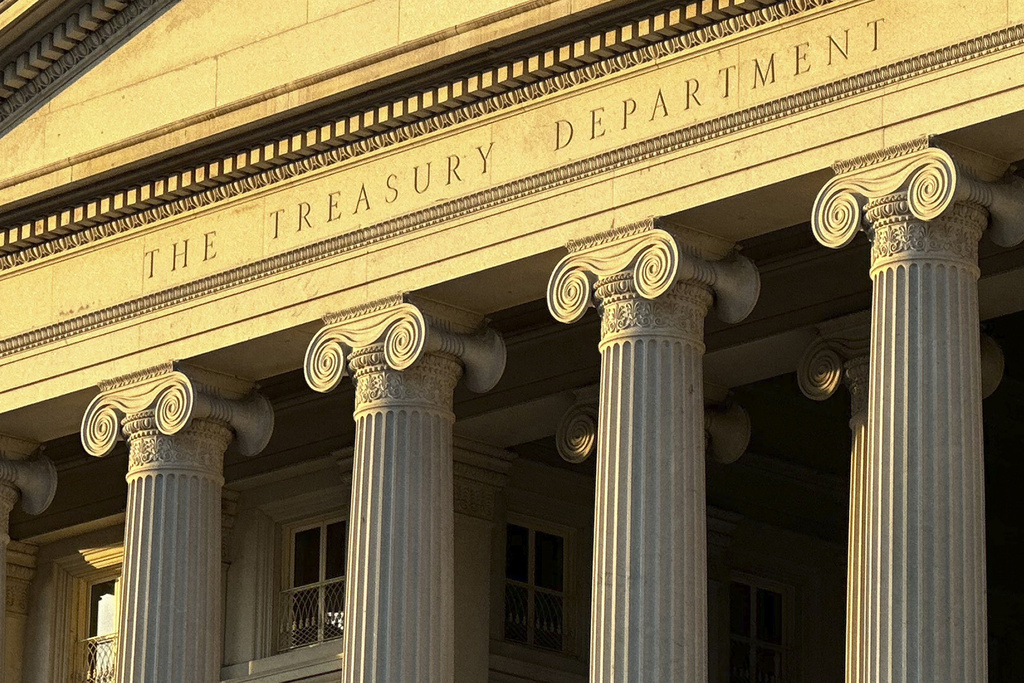
The Treasury Department in Washington often gives reassuring names to controversial laws. Past examples include the Inflation Reduction Act and the Affordable Care Act, which increased regulations and costs in their respective areas. Similarly, the Corporate Transparency Act sounds like it targets large corporations but actually imposes federal reporting on millions of small businesses.
This law aims to combat financial crime by requiring many small businesses to report sensitive information. Surprisingly, large companies are exempt, shaping the law into a burden for smaller entities like neighborhood associations or single-owner businesses. These organizations face fines and penalties for non-compliance.
The effectiveness of the Corporate Transparency Act is questionable. Washington tends to measure success by government activity rather than results. For example, the Financial Crimes Enforcement Network handles millions of reports annually, yet only a small fraction are reviewed. Despite comprehensive reporting, very little money laundering gets stopped.
Under President Biden’s administration, the implementation of the Act treated small-business owners as potential criminals. They needed to report to the Financial Crimes Enforcement Network without any evidence of misconduct. This added one more federal compliance requirement to their responsibilities.
President Trump’s Treasury Department attempted to alleviate these requirements. However, it couldn’t completely repeal Congress’s law, keeping the Act alive for possible revival by future administrations. The solution proposed is the Repealing Big Brother Overreach Act, which seeks to undo the Corporate Transparency Act permanently.
Almost half of the House supports this repeal, indicating strong Congressional backing. Surprisingly, the same legislative process that produced the Act could now serve to repeal it. Small-business owners should focus on their core business activities rather than compliance with onerous federal mandates.
Ohio’s 8th District Congressional Representative Warren Davidson, a member of the House Financial Services Committee, champions this repeal effort. His advocacy aims to permanently protect small businesses from unnecessary federal oversight.