
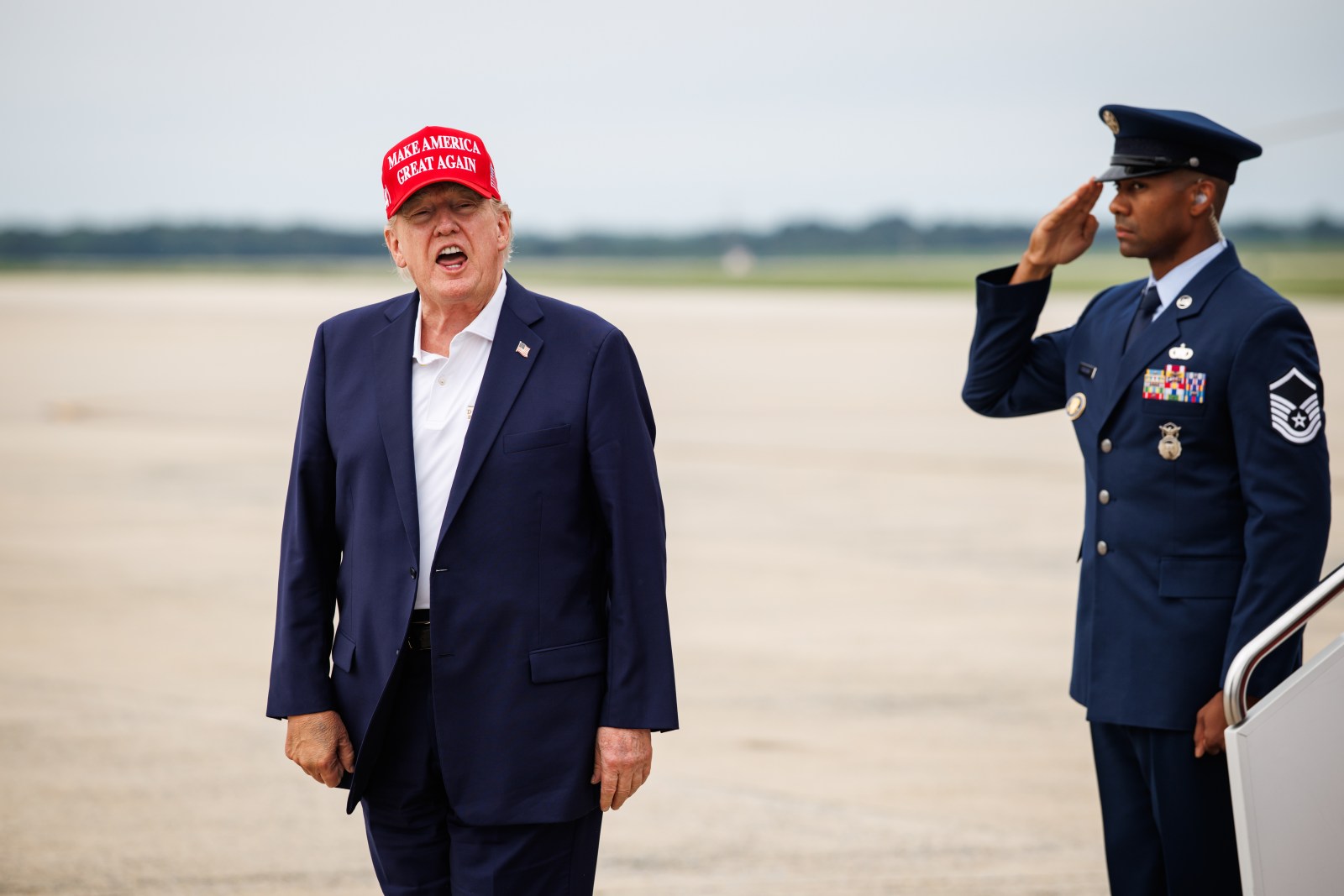
President Donald Trump recently threatened military action against Oman if it disrupts U.S. efforts concerning Iran and the Strait of Hormuz. In an interview with Fox News, Trump stated that “if Oman gets in the way, we’ll bomb” the country. This marks a direct and serious threat toward a long-standing U.S. partner in the Middle East.
Oman’s Diplomatic Role
Oman plays a crucial role in the region, maintaining relations with both the U.S. and Iran. It has often mediated during heightened tensions, especially concerning the Strait of Hormuz. Muscat has been a significant diplomatic channel between Washington and Tehran. Trump’s statements are unusual, given Oman’s historical role as a mediator.
Military Actions Under Trump
Since his second term began, Trump has authorized military operations in various countries. These include strikes in Somalia, Iraq, Yemen, Iran, Syria, Nigeria, and Venezuela. Notably, in June 2025, operations targeted Iranian nuclear facilities at Fordow, Natanz, and Isfahan after negotiations broke down. Trump described the facilities as “completely and totally obliterated.” Additionally, the administration engaged in major campaigns against Yemen’s Houthi movement and conducted extensive operations in Somalia and Syria.
Future Military Considerations
Trump has suggested military action in other regions. Before his second term, he mentioned potential force to control Greenland and the Panama Canal. Following operations in Venezuela, he hinted at possible involvement in Cuba, Colombia, and Mexico. He also mentioned action against Mexican cartels and the potential for intervention in Colombia and Cuba.
Tensions with the ‘No New Wars’ Promise
Trump’s military actions contrast with his 2024 campaign promise to avoid new overseas conflicts. The White House defends these actions as necessary to protect U.S. interests and prevent adversaries like Iran from gaining strength. Supporters see it as a continuation of his “peace through strength” strategy, suggesting that showing military might can deter larger conflicts.
MAGA Movement Reaction
Within the MAGA base, the Iran conflict sparked significant debate. Some America First figures have criticized deeper involvement in the Middle East, fearing it could lead to another major war. Meanwhile, other Trump allies defend the strikes as essential for protecting U.S. interests. This division highlights a split within the movement between national-security conservatives and populist isolationists.
Despite this fracture, Trump’s overall support among Republican voters appears stable. The differences reveal a clear fault line within the America First coalition.
For further details, contact Newsweek editors Jason Lemon and Dave Siminoff.