
The Evolution of Tipping Culture
Tipping has long been a part of American culture, a way to reward service beyond basic expectations. Yet, recent changes challenge these values. Technology and societal shifts have transformed tipping from a reward into an expectation, even for basic transactions.
Technological Influence on Tipping
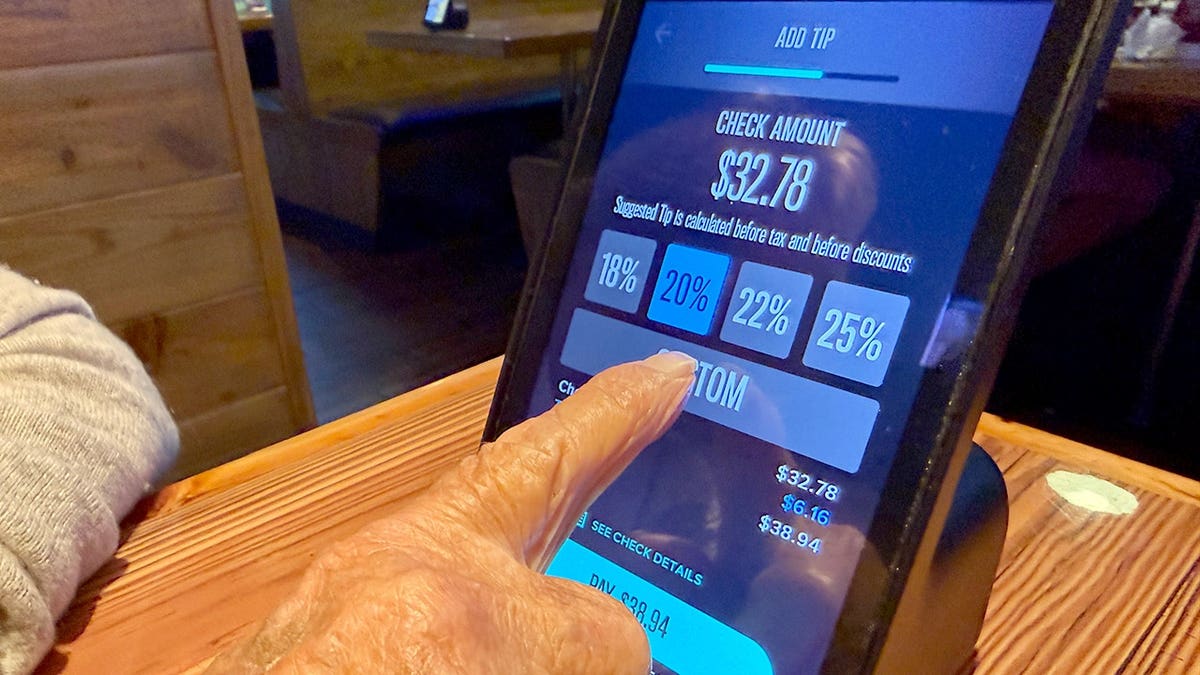
During the pandemic and with the rise of digital payment screens, what was once a simple ‘thank you’ has turned into a financial obligation. It’s common now to encounter prompts for tips after ordering coffee or takeout. Options often start at 18%, bypassing the traditionally recognized 15%.
The Impact on Consumer Behavior
Tipping has extended beyond restaurants, appearing at coffee shops, bakeries, and other venues. Even interactions with no service component, like picking up items, now often include tipping prompts. This shift can make consumers feel pressured, altering their usual tipping habits.
Businesses and Transparency
Some businesses use digital screens to shift labor costs to customers without openly raising prices. Screens, rather than asking directly for a tip, subtly suggest generosity. This approach can create discomfort for those reluctant to opt out of tipping under pressure.
Consumer Skepticism and Longer-term Effects
As tipping expectations rise, consumer generosity may shrink, leading to less frequent dining out or avoidance of such prompts. The result can be detrimental to customers, workers, and businesses, eroding the spirit of voluntary giving.
A Call for Transparency
It may be time for businesses to openly charge what they need for profitability. Transparent pricing could replace ambiguous tipping pressures. America should remember that generosity carries value mainly when freely given, rather than as a coerced surcharge.