
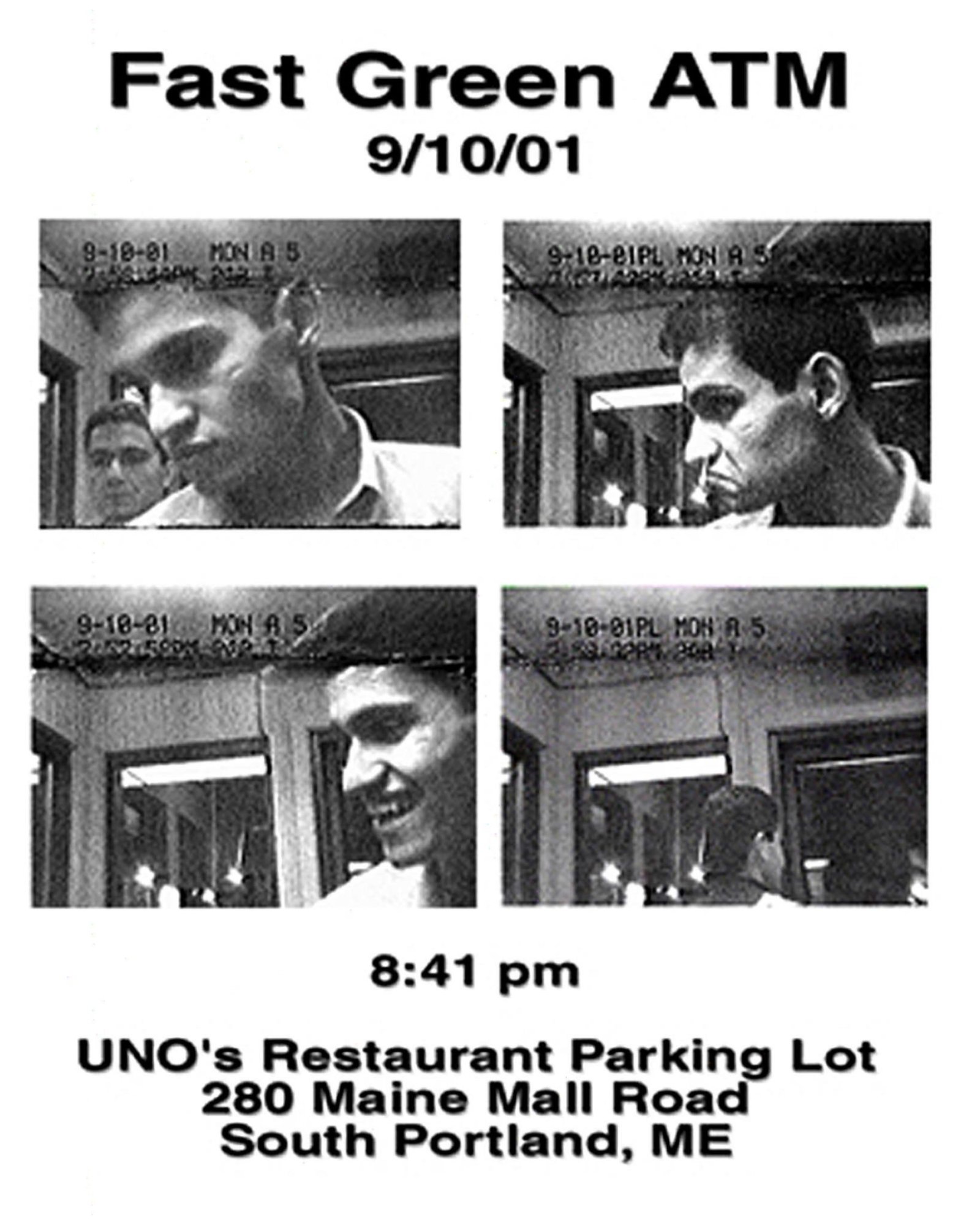
Twenty years ago, in a chronological series, Newsweek maps the events leading up to the 9/11 attacks, highlighting crucial activities and warnings. On August 16, the Federal Aviation Administration’s (FAA) intelligence office issued a circular titled “Disguised Weapons” (IN-2001-12), warning airlines of the potential threat posed by terrorists using modified everyday items as weapons for hijacking purposes. Despite this alert, airport security did not heighten sufficiently. The 9/11 hijackers exploited this gap, carrying knives and razors legally permissible at the time.
Eyewitness accounts from doomed flights indicate that flight attendants and passengers who resisted hijackers faced stabbing and cutting. Reports highlighted the weaponry onboard the flights. Khalid Sheikh Mohammed began assessing the feasibility of bringing knives and razor blades, referred to frequently as box cutters, onto flights starting in December 1999. His operative, Walid bin Attash, also known as “Khallad,” discreetly transported a razor knife from Pakistan to Malaysia during a reconnaissance flight.
Khallad further tested airline security by boarding U.S. carrier flights to Malaysia, Bangkok, and Hong Kong with similar instruments. During January 2000, while accompanying Khalid al-Mihdhar and Nawaf al-Hazmi, Khallad again managed to bring a knife aboard. Upon concluding these tests, he briefed key figures such as Mohammed Atta. Following a meeting in Spain, Atta carried two Swiss Army knives purchased at Zurich airport back to the United States on July 8, 2001.
Post-9/11, the FBI’s methodical financial investigations revealed that, on each flight, terrorists purchased at least seven knives. Marwan al-Shehhi, who piloted UA Flight 175 into the South Tower, bought knives such as a Cliphanger Viper and an Imperial Tradesman Dual Edge from a Sports Authority store in Boynton Beach, Florida. Fayez Banihammad and Hamza al Ghamdi, also on UA Flight 175, acquired multitudes of tools, including a multi-tool Stanley snap knife set and a Leatherman Wave at a Wal-Mart in Boynton Beach.
Nawaf al-Hazmi, part of AA Flight 77 that hit the Pentagon, purchased a Leatherman Wave Multi-tool from Target in Laurel, Maryland, on August 27. As for UA Flight 93, which crashed in Pennsylvania, financial records did not indicate weapons purchases. However, the FBI recovered 14 knives or knife parts, such as a box cutter, from the wreckage, with blade lengths under 3.5 inches.
Interrogations of Ramzi Bin al-Shibh, captured post-9/11, revealed exchanges between him and Mohammed Atta in Spain concerning hijacking tactics. Atta, along with al-Shehhi and Ziad Jarrah (pilot of the downed Pennsylvania plane), reportedly faced no difficulties bringing box cutters during domestic test flights.
Follow the Newsweek live tweet of events from September 11, 2001, minute by minute, starting at 4:45 a.m. EST.The reconstruction of the road to 9/11 continues with new daily stories culminating on September 11.