
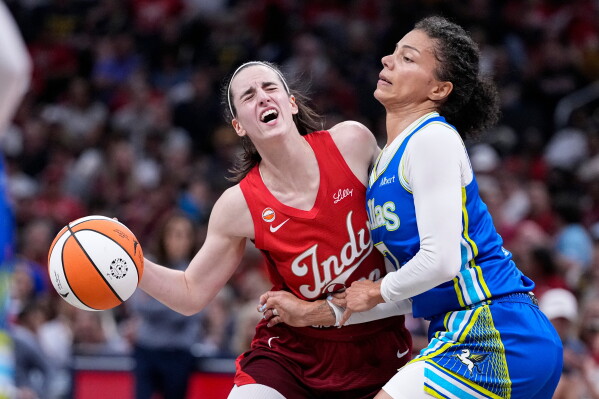
During the Hall of Fame weekend in Uncasville, Conn., basketball remains the central theme. However, discussions around race, gender, and sexuality in the WNBA have captivated much attention, coinciding with the induction of some of the league’s iconic figures. The controversies surrounding these issues sometimes overshadow the remarkable performances as the WNBA marks its 30th year.
Dawn Staley’s Perspective
Hall of Famer Dawn Staley will be inducted again this Saturday, alongside the 1996 Olympic women’s basketball team. Staley finds optimism amidst the negativity. She draws parallels between the WNBA’s current challenges and the early evolution of the NBA. According to Staley, discussions on race and officiating are steps toward growth, mirroring situations the NBA once faced.
All the big pieces and all the things that are happening from a racial standpoint, from an officiating standpoint are great. They’re great because the NBA went through it — the NBA went through all of it,” she said. “So this is just badges of honor. Will we get through it? We will get through it.
Challenges of Inclusion
Historically, the NBA grappled with race integration. Similar narratives around the inclusion of transgender women in the WNBA are prevalent today, yet no transgender woman has played in the league. Instances of WNBA players who identify as transgender or nonbinary have sparked discussions and polarizing viewpoints.
Nneka Ogwumike, WNBA players’ union president, voices concern for transgender supporters who might feel alienated by ongoing debates. She emphasizes the role of women’s sports in broader socio-political discussions.
It really breaks my heart to think about how these conversations may be affecting people who have supported us for so long.
The Media’s Role
WNBA athletes like Ogwumike face a balancing act between discussing on-court achievements and addressing complex societal topics. She points to the media’s influence in shaping these narratives.
Even something as simple as you guys asking actual basketball questions. I think it’s very helpful. I think it’s a very delicate line for me because it’s like, OK, you know, we want to act like your job is to cover this game, you know, and our job as athletes is to play it and to also give you what we can. But then it’s also like do I want to seem insensitive by not talking about the things that are going on?
Staley concurs, acknowledging that off-court issues often overshadow the exciting developments in women’s basketball.
It’s an incredible product that we’re missing out on because we got distractions every time.
Increased Attention and Challenges
The WNBA’s viewership has grown by 17% compared to last season’s record-setting year, indicating rising popularity. While increased attention benefits the league, it also leads to intensified social media scrutiny and rising betting interest.
Candace Parker, a Hall of Fame inductee, highlights the transparency now present in the league. Whereas players previously ignored online attacks, current circumstances demand a more proactive response.
I think it was more swept under the rug in the past, but now it’s not because you can’t.
Players like Chamique Holdsclaw recount past experiences where disagreements remained confined to the locker room. Today, public discussions impact the WNBA and sports leagues at large.
I’ve had teammates that I may not agree with their politics or beliefs, but we all know that as long as the locker room is good, we’re good.
As the WNBA navigates these conversations, the league continues to display resilience amidst challenges.