
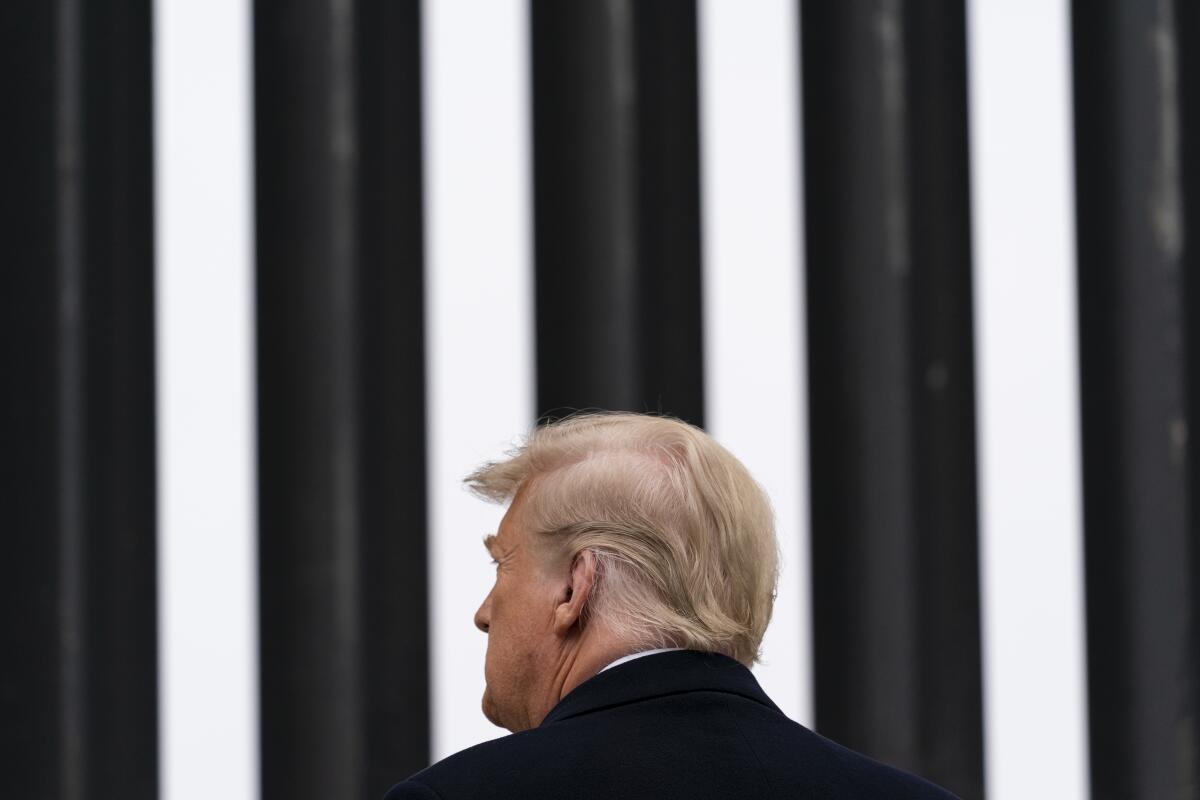
The Trump administration’s aggressive stance on immigration is highlighted by its recent plans to purchase electrically charged gloves, dubbed ‘pain gloves,’ aimed at aiding Immigration and Customs Enforcement (ICE) agents in subduing individuals more efficiently. These gloves represent a broader effort by the administration to enhance the forcefulness of immigration enforcement, amidst ongoing efforts to deport individuals deemed undesirable, where legality is often a secondary concern.
Immigration enforcement has been granted significant budgetary allowances under the Trump administration, paralleled by military spending in many nations. August’s spending plans show an allocation of up to $1.8 billion by agencies like ICE, CBP, HSI, and CIS. Among the requests are $3 million for 9 mm Luger ammunition, $2 million for Glock pistols, $1 million for firing range renewals, and $2 million for defibrillators. Moreover, $100 million is allocated for ‘Nonscheduled Chartered Passenger Air Transportation’ for voluntary deportations, while $300 million goes towards new Border Patrol stations in Texas. A $50 million contract over five years aims to disseminate Border Patrol propaganda.
There’s also a notable interest in the mental health of Border Patrol staff, with up to $1 million earmarked for ‘wellness workshops’ focusing on nutrition, stress management, and sleep hygiene. Such workshops could go further, addressing conscience development, appropriate conduct when filmed by observers, or educating officers on avoiding misconduct.
Trump’s backing of immigration enforcement tools likens ICE officers to a hardened warrior class, evident in the description of the planned equipment as ‘Conductive Distraction and De-escalation Devices.’ Despite the official stance that these tools are employed within the bounds of law enforcement standards, skepticism about their use remains.
President Trump’s tenure has emphasized outfitting immigration agents with formidable tools, leading them to resemble something akin to a paramilitary force. The approach has seen officers repeatedly accused of aggressive conduct, including racially charged language, unwarranted gun threats, and excessive force even against citizens mistakenly identified.
Critics draw comparisons between Trump’s immigration policies and fictional antagonists from popular culture, namely Syndrome from “The Incredibles,” who sought to transform superhero powers into sellable weapons. Trump’s approach to immigration enforcement is perceived as a pursuit for recognition by releasing mounting enforcement measures against immigrants. However, this reckless enthusiasm is unlikely to garner the valor they seek.
The introduction of pain gloves is emblematic of a belief within the administration that traditional enforcement techniques are insufficient. This device reflects views of opponents as lesser beings fit for brutal control. Trump’s administration admits a tough exterior disguising an insecure interior. It’s a testament to their perceived inadequacy and fear—an indication of relying on intimidation over competency.