
Reporting Highlights Inflated Claims and Privacy Concerns
The Trump administration is under scrutiny for leveraging Homeland Security Investigations (HSI) to identify noncitizens on voter rolls, despite concerns about the legality and accuracy of their methods. Insiders warned of numerous false positives, but these warnings were ignored. The Department of Justice’s (DOJ) leaders overlooked internal concerns that transferring voter data to HSI might violate privacy laws, leading to investigations with minimal results. Nationwide, the effort initiated only a few dozen prosecutions, with even fewer convictions.
Pressure and Dysfunction at Local Levels
In March, Joe Teirab of Minnesota’s U.S. attorney’s office faced pressure from the federal government to support claims of illegal voting by noncitizens. The Department of Homeland Security (DHS), under Trump’s directive, aimed to detect and prosecute such cases aggressively. Agents inundated local election offices with inquiries, reflecting a misunderstanding of voting laws. Teirab criticized the disorganized approach, labeling it dysfunctional and counterproductive.
HSI’s Expanding Role and Limited Success
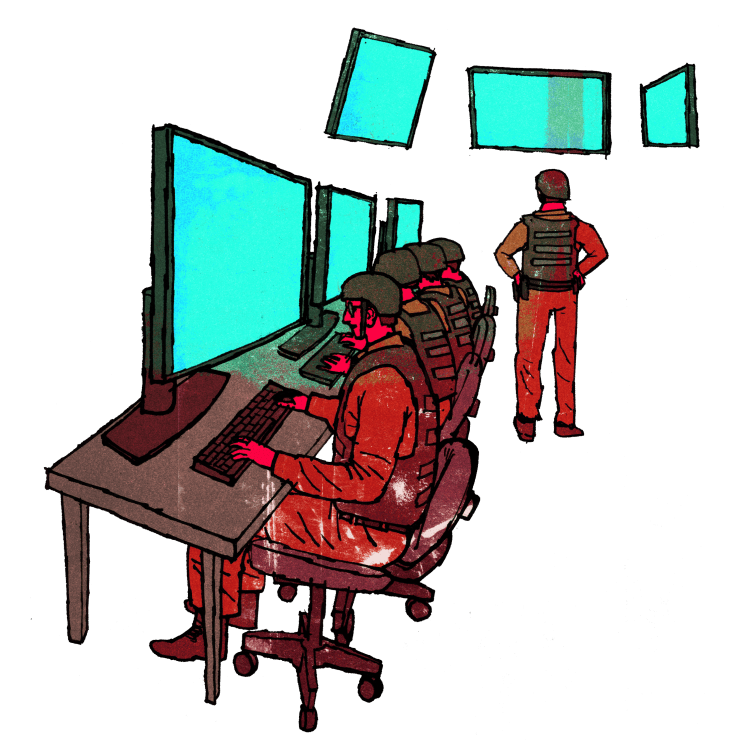
HSI was brought in to address Trump’s unsubstantiated claims of rampant noncitizen voting. Using their databases, HSI attempted to cross-reference voter rolls against known noncitizen data. Despite these efforts, only 41 people faced prosecution related to voter fraud out of over 150 million participating voters in recent elections. These results starkly contrast the allocation of extensive resources toward the initiative.
Involvement of Agency Insiders and External Critics
Documents reviewed by ProPublica exposed warnings from Justice Department staff about the potential illegality of these voter data transfers. HSI insiders also cautioned about misleadingly inflated outcomes due to the reliance on their technology. Nevertheless, the administration pushed forward, prioritizing findings that matched their agenda.
Political and Legal Consequences
The Trump administration’s campaign included high-ranking officials who sought to expand federal oversight over election processes. This provoked criticisms from agencies and officials concerned about federal overreach and its implications for personal privacy. Critics allege these actions align with Trump’s intent to exercise federal control over elections, fueling public doubt and fear regarding election integrity.
Broader Impact on Federal Law Enforcement
HSI’s focus on noncitizen voting led to a reduction in traditional law enforcement efforts. Emphasis on finding noncitizen voters hindered progress in combating organized crimes such as human trafficking and drug rings. Federal data indicates a decline in wiretaps, necessary for investigating significant criminal enterprises.
Policy and Ethical Concerns
Numerous experts caution about the long-term consequences of deploying federal investigative power to validate noncitizen voting claims. Concerns extend to potential privacy breaches, improper data usage, and eroding trust in government. The controversy highlights the balancing act between securing election integrity and upholding citizens’ privacy and rights.
Future Implications
Despite limited legal successes, the Trump administration might use these efforts to push for stricter voter identification laws and increased federal involvement in state electoral processes. Critics warn that such measures could serve as barriers, rather than protections, to voter participation.