
American eating habits are evolving as people increasingly search for high-protein options, leading fast-food chains to rethink traditional breakfast foods. Nutrition experts highlight the importance of protein in the morning.
Nutritional Benefits of Protein in Breakfast
Eating protein for breakfast helps stabilize blood sugar levels, decreases mid-morning cravings, and supports muscle maintenance. According to nutritionists, protein-rich breakfasts are more effective for weight management and appetite regulation than carbohydrate-heavy alternatives. Tanya Freirich, a registered dietitian nutritionist from Charlotte, North Carolina, emphasizes consistent protein intake throughout the day. She states, “Protein in meals helps stabilize your blood sugar after eating and is important for muscle maintenance, repair, and growth.”
Balance in Morning Meals
Freirich advises treating indulgent drive-thru options as occasional treats and balancing high-fat morning meals with fiber-rich fruits, vegetables, and whole grains throughout the day. She recommends eating within one to two hours of waking up, incorporating protein in a moderately sized breakfast to help feel satisfied, energetic, and focused.
Fast-Food Chains Adapt to Consumer Demand
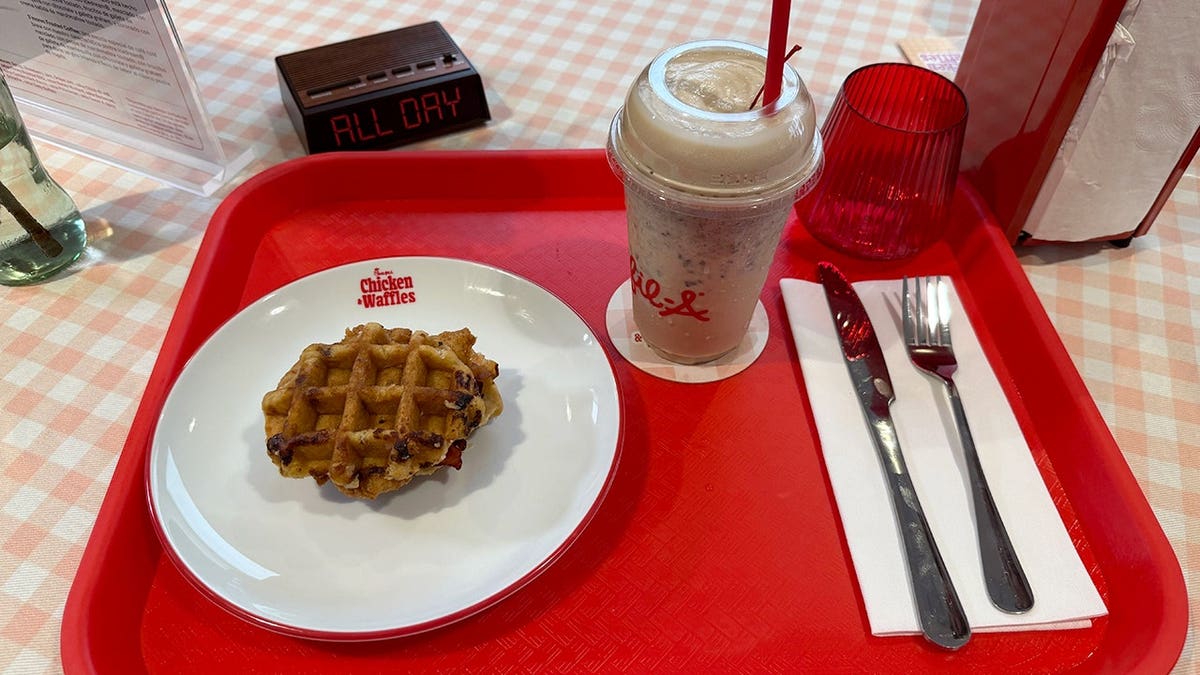
This dietary shift has prompted restaurant brands to innovate classic options. Chick-fil-A, for example, has embraced this trend by launching a Chicken & Waffles Breakfast Sandwich. Allison Duncan, director of menu & packaging at Chick-fil-A, emphasizes the blend of flavor and protein in their breakfast offerings to cater to consumer preferences.
Over recent years, many fast-food competitors have expanded breakfast options to include egg bites, Greek yogurt parfaits, and customizable meat options to meet the demand for high-protein meals.
Importance of Protein Quality
“There is a big difference between types of protein sources,” Freirich explains. “While an omelet with vegetables may contain the same grams of protein as a chicken, waffle, bacon, and egg sandwich, the latter will be much higher in saturated fat and calories.”
Freirich notes that highly processed fast-food proteins may lead to a feeling of heaviness rather than increased energy. She warns that processed, high-fat proteins are less beneficial for heart health due to their fat and sodium content, which slows digestion.
Moderation in Indulgence
For those who enjoy fast food, Freirich recommends moderation rather than complete elimination. “If you love chicken and waffles, perhaps consume them occasionally instead of daily,” she suggests. A balanced diet includes occasional treats in moderation.
Freirich advises balancing indulgent fast-food breakfasts with vegetables, fruits, and fiber throughout the day. She emphasizes that adding more protein may be suitable for some, but a healthy diet also requires sufficient vegetables, fruits, beans, and whole grains.
Khloe Quill is a lifestyle writer with Fox News Digital, covering food and drink, travel, and health stories.