
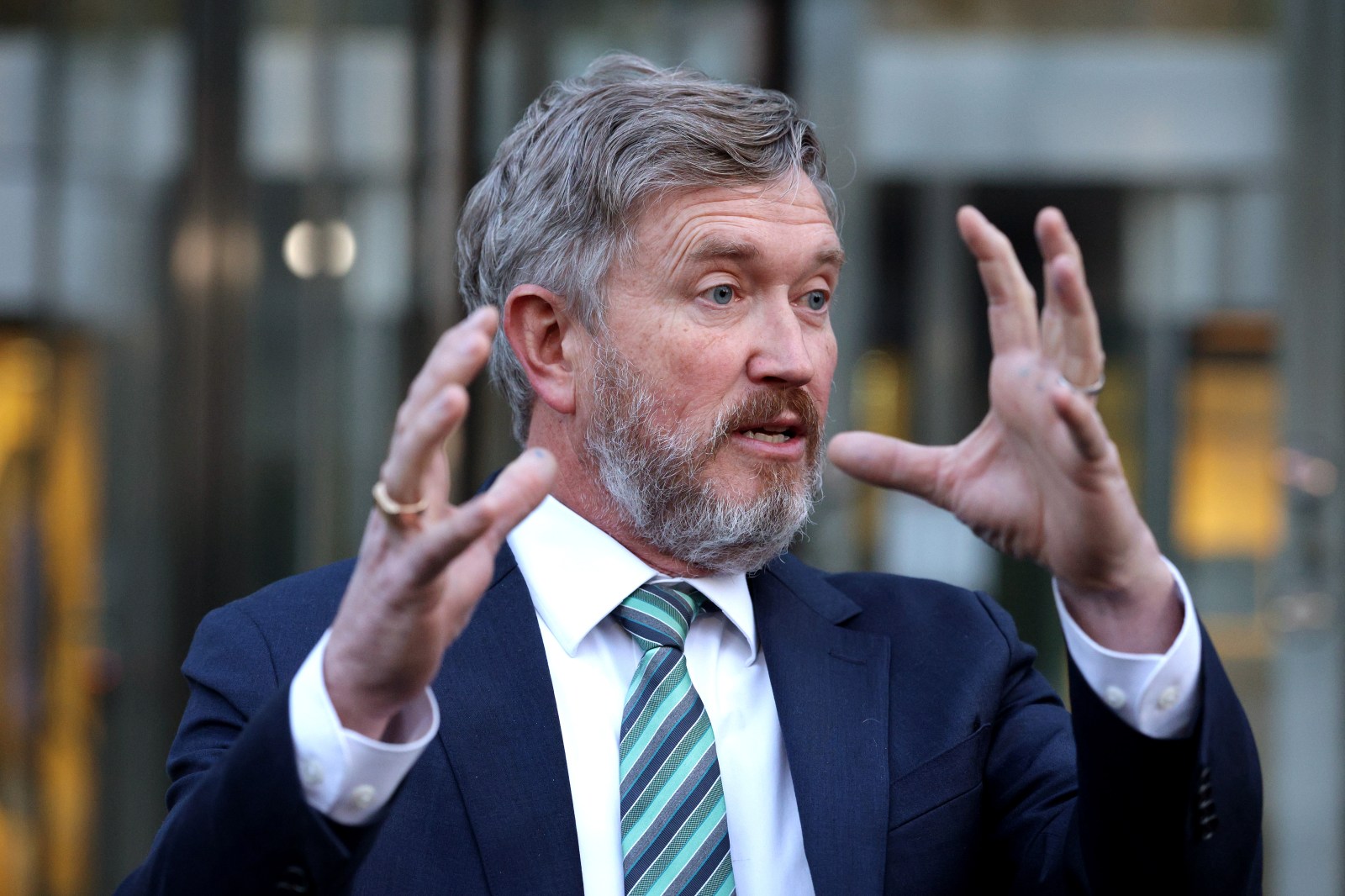
Representative Thomas Massie intensified his criticism of the Iran conflict, expressing on social media that it could become the Trump administration’s most significant and costly mistake. The Kentucky Republican highlighted this perspective in posts where he compared the war’s potential damage to other contentious issues, such as the administration’s handling of the Jeffrey Epstein files, tariffs, government spending, and other domestic matters.
Massie’s Social Media Critique
In his initial post, Massie addressed what he perceived as multiple missteps by the administration and stated, “Of all the stupid things this administration has done… Hiding Epstein files, trying to pass tariffs without Congress, advocating for more spending, ignoring DOGE, indemnifying glyphosate, starting a war in the Middle East will prove to be the biggest and most costly blunder.”
In a subsequent message, Massie detailed the potential economic and political impacts: “$100+ billion in direct military costs, $100+ billion in costs to consumers, incalculable political capital burned.” He further noted the adverse effects on the United States’ global standing, urging a withdrawal from the conflict.
Economic and Political Concerns
Massie’s critique aligns with ongoing debates about the conflict’s expenses and future. Defense Secretary Pete Hegseth informed senators that the war with Iran has incurred an estimated $37.5 billion cost since the start of hostilities in February. Discussions continue over defense funding, with a spending bill stalled in Congress amid calls for increased Pentagon funding.
Trump and Massie’s Conflicting Views
Massie has consistently opposed the Iran war, advocating for congressional authority in war-related decisions. Although he endorsed Trump during the 2024 election, tensions have persisted. Massie’s disagreements on spending and foreign policy reflect his alignment with “America First” ideologies, despite Trump’s support for another candidate who eventually unseated Massie in a primary.
Growing Anti-War Sentiment
Massie’s stance is part of a wider dissent among conservatives who previously supported Trump. Figures like Marjorie Taylor Greene, Tucker Carlson, and Joe Kent have voiced concerns about the administration’s Iran strategy, suggesting a departure from previous promises not to engage in new foreign wars.
At a recent meeting in Maine, Massie joined other critical voices in discussions about organizing resistance to the war and exploring the potential for a third-party political movement. Greene remarked on Trump’s perceived betrayal of his base, and Kent emphasized challenges in forming a new political entity, though no formal group has emerged.
Debate Within the Republican Coalition
The Iran conflict has highlighted a crucial ideological divide among Republicans. Proponents argue the war has weakened Iran’s military capabilities and safeguarded U.S. interests. Opponents, including Massie, argue it contradicts “America First” principles and imposes substantial economic burdens on Americans.
Standoff at the Strait of Hormuz
Meanwhile, Iran has warned of keeping the Strait of Hormuz closed unless the U.S. meets several demands, including lifting sanctions and withdrawing military forces. These terms, articulated by Iran’s Supreme National Security Council secretary, emerged amidst reports of potential shipping agreements between Iran and Oman.
This ongoing situation underscores the complexity and division surrounding U.S. involvement in Iran, with significant implications for international relations and domestic politics.