
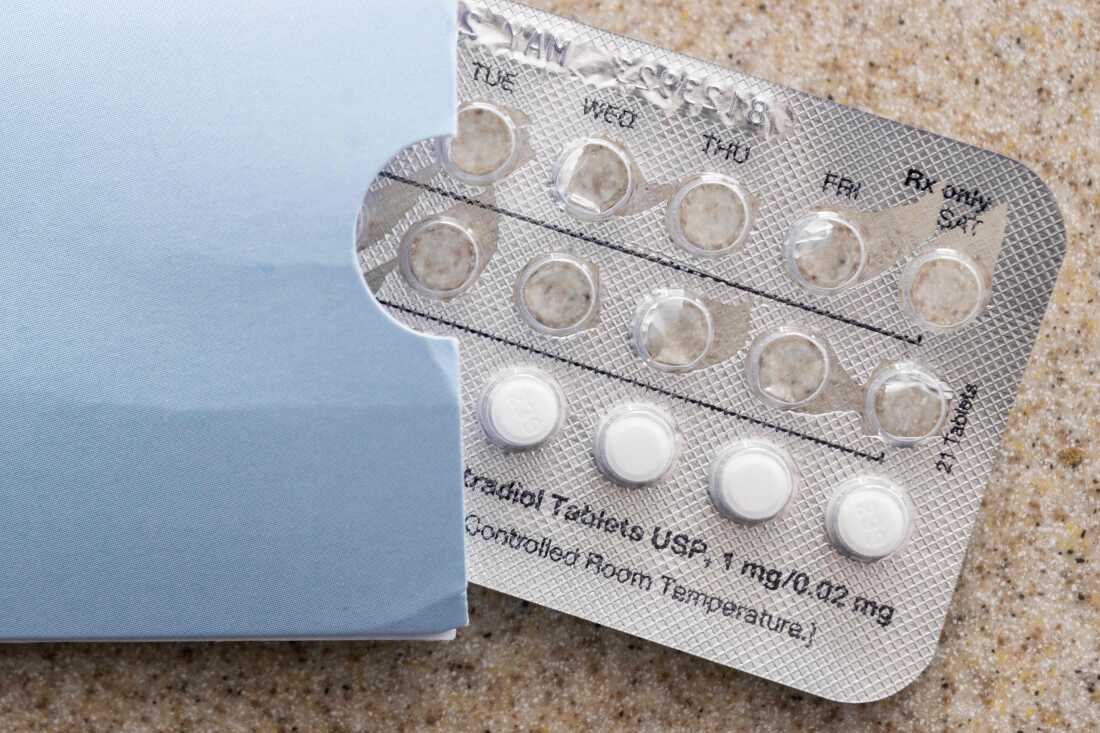
Social media influencers, especially within the MAHA and ‘trad wife’ circles, often highlight the perceived negatives of hormonal birth control. However, research shows that many of these influencers lack medical qualifications.
Following the Supreme Court’s 2022 decision to overturn Roe v. Wade, significant changes in birth control choices were reported. Many sought long-term or permanent birth control options. Data confirms that more people opted for intrauterine devices and implants, and there was a notable rise in vasectomies and tubal ligation procedures.
Dr. Caitlin Bernard, an OB-GYN from Indianapolis, notes that the abortion ban is no longer a primary topic among her patients. She highlights that the decision to use contraception often revolves around factors like personal preferences regarding pills or IUDs and insurance coverage considerations. Financial concerns also drive some patients to avoid unnecessary medical visits to prevent unexpected expenses.
Social Media’s Impact
Social media significantly affects contraceptive choices today. The ‘Make America Healthy Again’ movement and ‘trad wife’ influencers have gained traction by criticizing hormonal birth control, claiming it’s harmful. Despite evidence supporting the safety and effectiveness of hormonal contraception, these influencers often exaggerate side effects and downplay the cons of non-hormonal options.
‘Wellness influencers with non-evidence-based experiences are proliferating online,’ says Cynthia Harper, a contraception researcher at the University of California San Francisco. ‘Their messages are intertwined with ideologies promoting increased childbirth among women.’
Harper points out that political elements also restrict birth control access. The previous administration reduced funding for reproductive health services, leading to decreased contraception availability.
Rising Abortion Numbers
Counterintuitively, the number of abortions has increased recently, even as new state bans appear. Harper wonders if diminished birth control access leads to more unplanned pregnancies and, consequently, abortions. She suggests a study could identify whether restrictions on contraception contribute to this trend.
Brittni Frederiksen, from the nonpartisan KFF, attributes the rise in abortions to improved access, particularly through telehealth medication. This method has surged in popularity, allowing patients to obtain abortion pills via mail after online consultations.
Survey Insights
Frederiksen refers to KFF’s women’s health survey, which analyzes contraception use trends every two years. In 2024, 82% of sexually active women of reproductive age used contraception. This figure remains stable in recent surveys, indicating persistent contraception usage.
While shifts in societal attitudes and political factors influence views on birth control, as well as funding affecting access, these changes might not yet be evident in aggregated data.