
New Media Guidelines in Pakistan
The Pakistani government has introduced new guidelines specifically for foreign media organizations active within the country. These guidelines formalize the reporting requirements for journalists working for international outlets who operate outside Pakistan’s three largest cities. This move has sparked criticism from press freedom advocates and journalist groups.
Details of the Guidelines
Titled Guidelines for the Facilitation of the Foreign Media and Their Associates Working in Pakistan, the document was circulated to both local and foreign media organizations earlier in the week. These new directives are seen by journalists and rights groups as imposing additional bureaucratic challenges, potentially discouraging independent reporting.
The Ministry of Information, however, has refuted these claims, asserting that the guidelines are not designed to restrict or curb press freedom. Instead, they are meant to provide an organized, clear, and accountable framework for the registration, accreditation, and facilitation of foreign media outlets.
The ministry differentiated between the processes of registration and obtaining government clearance for reporting travels outside the cities of Islamabad, Lahore, and Karachi. Pakistani journalists and those professionally affiliated with foreign media must register with the ministry’s External Publicity Wing and secure accreditation before reporting beyond the three cities.
Controversy and Clarification
This clarification by the ministry came after controversy erupted over a WhatsApp message sent to Islamabad-based foreign journalists. This message served as a reminder that a No-Objection Certificate (NOC) is necessary before reporting or producing content outside the three main cities.
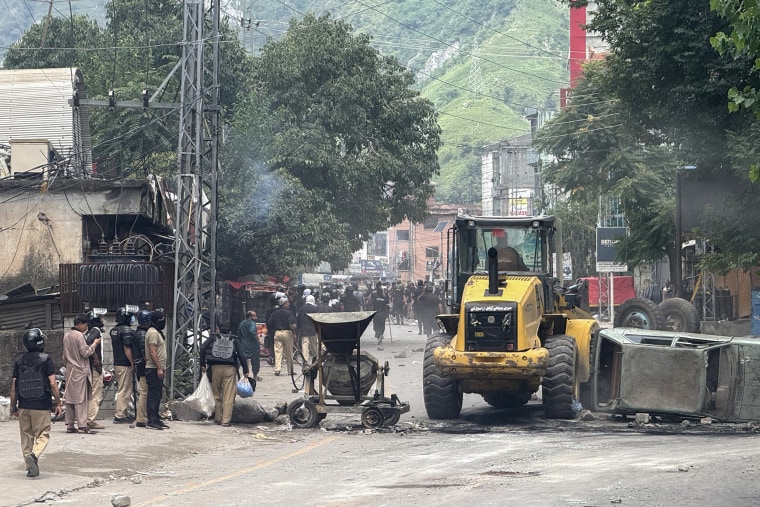
Journalists working in Pakistan-administered Kashmir were asked to leave, apply for clearance, and notify the ministry prior to deploying teams to the disputed region. Although the travel clearance requirement has been longstanding, recent focus has increased due to foreign media coverage of events in Kashmir, which includes allegations of inaccurate reporting of deaths during clashes and low voter turnout in legislative elections.
Reaction from Media Rights Groups
Media rights organizations, such as the independent Human Rights Commission of Pakistan, have condemned the guidelines. They argue that these measures will instate bureaucratic control over news gathering, thus deterring independent reporting.
From arbitrary curbs on reporting and increasing censorship to legal and administrative barriers, the space for independent journalism has continued to shrink,stated the Human Rights Commission, urging the government to withdraw these measures.
Waliullah Rahmani from the Committee to Protect Journalists commented on the potential for more restrictions on journalists, expressing concern about legal and administrative retaliation against unwanted reporting.
Response from Journalistic Organizations
The Pakistan Federal Union of Journalists also decried the guidelines, labeling them as an ‘attack on freedom of expression.’ They believe this could harm the work of foreign correspondents as well as Pakistanis employed by international outlets, calling for the government to retract the notification to prevent further damage to Pakistan’s reputation regarding press freedom.
Censorship and restrictions imposed on the media have been notable in Pakistan over recent years, affecting reporting freedom significantly.