
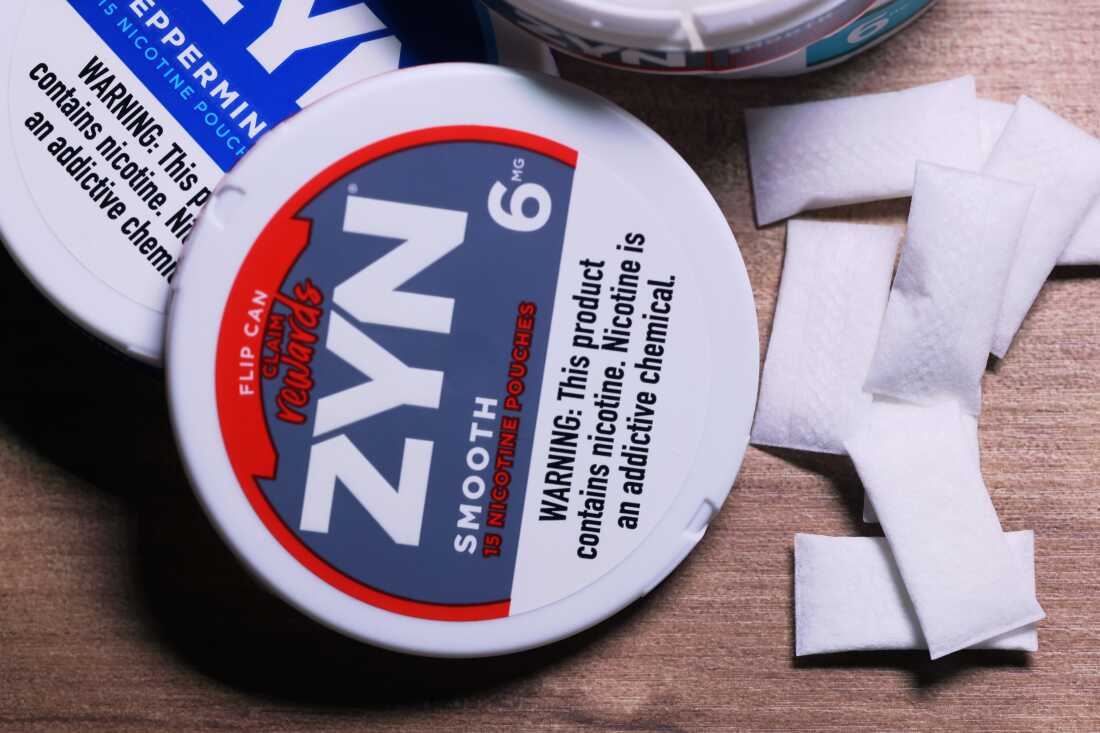
The U.S. Food and Drug Administration (FDA) has permitted the marketing of Zyn nicotine pouches as a lower-risk alternative to cigarettes. This decision allows the company to inform consumers that using Zyn instead of smoking could reduce the risk of mouth cancer, heart disease, lung cancer, stroke, emphysema, and chronic bronchitis.
The FDA’s Center for Tobacco Products’ acting director, Bret Koplow, emphasized the importance of providing adults with science-based information on tobacco products. This, he said, enables informed decision-making.
Zyn pouches come in flavors such as “Cool Mint,” “Smooth,” and “Chill,” and contain bleach-white fibers and nicotine crystals. When placed between the lip and gum, these pouches release nicotine and chemicals discreetly into the bloodstream.
The Case for Zyn
Some health experts view Zyn as a safer alternative to cigarettes, potentially helping to reduce the number of tobacco-related deaths in the U.S., which exceed 480,000 annually. Yet, others caution against the possibility of Zyn being a gateway to more risky nicotine habits.
Mitch Zeller, a Dartmouth Geisel School of Medicine professor, notes that nicotine pouches cause less harm compared to burning tobacco leaves and inhaling smoke’s 7,000 chemicals. He argues that switching from smoking to nicotine pouches is sensible for heavy smokers aiming to quit.
Brian Erkkila, of Zyn’s parent company Philip Morris International, shares his personal success story with Zyn, highlighting its potential for harm reduction. He cautions, however, that nicotine remains addictive and carries risks.
Bonnie Halpern-Felsher of Stanford University supports Zyn’s harm reduction potential but highlights possible risks, including heart issues and dental problems. She stresses that it’s too early to fully understand all effects of these newer oral products.
Marketing and Public Perception
Dr. Robert Jackler of Stanford University highlights that nicotine pouches are not approved smoking cessation aids like gums or patches. He criticizes Zyn’s marketing strategies, which liken its use to lifestyle enhancement, targeting active individuals.
Philip Morris International maintains its marketing targets adults only. They note that Zyn flavors help smokers try and transition to their product. Flavors, however, may also attract young users, according to Rutgers University’s Mary Hrywna.
Concerns About Adolescent Use
The Monitoring the Future study from the University of Michigan reports an increase in 12th graders’ lifetime use of nicotine pouches, from 6.8% in 2024 to 10.0% in 2025. Recent use is also reported by 4.4% of 12th graders.
This trend alarms experts. Emily Hilliard from the Department of Health and Human Services reiterates the FDA’s commitment to preventing youth access to tobacco products.
Halpern-Felsher points out evidence from schools where students use and conceal nicotine pouches. She collaborates with schools to educate adolescents about the risks of nicotine.
Both Hrywna and Jackler stress the lack of health benefits in adolescent use of nicotine. Jackler cautions youths to avoid starting nicotine habits, noting the significant suffering associated with addiction.