
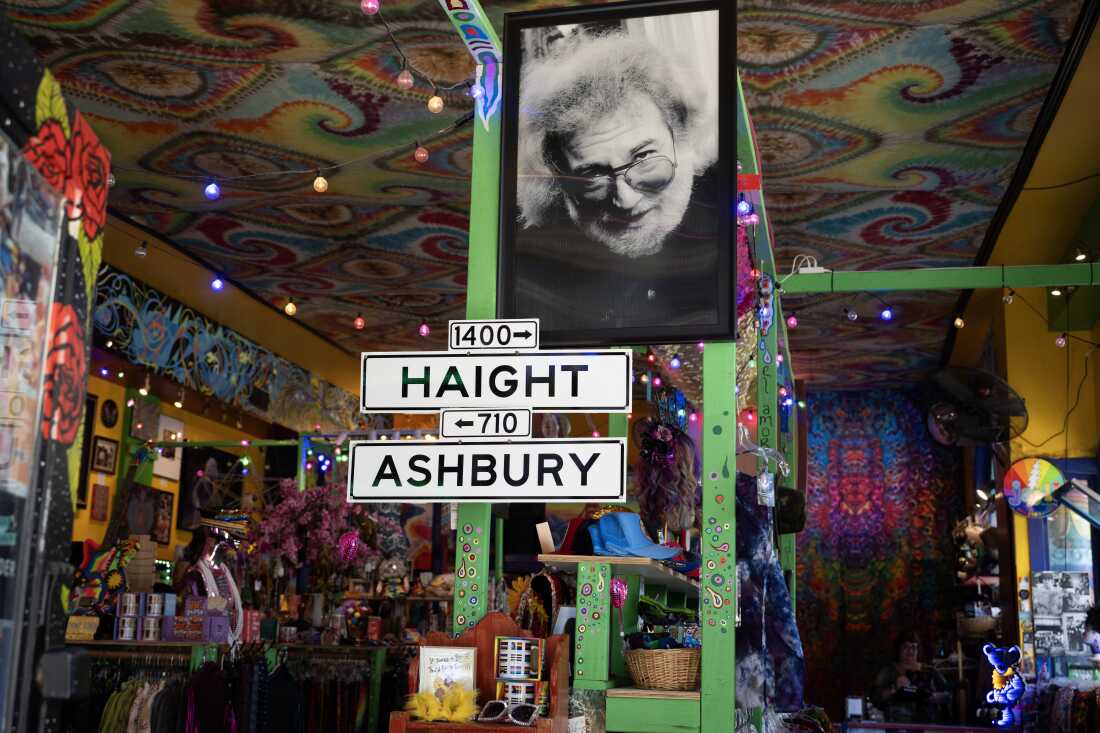
“Love on Haight”, situated on Haight Street in San Francisco, showcases Grateful Dead memorabilia, tie-dye attire, and a prominent Jerry Garcia photograph. During the Days Between (August 1-9), NPR Music released stories focused on the continued attraction to the Grateful Dead and efforts to preserve the band’s legacy.
Jerry Garcia, the band’s legendary member, explained the attraction of Grateful Dead fans through a unique perspective. The band’s biographer, Dennis McNally, recalls Garcia likening the fans’ musical preference to a taste for licorice: not everyone likes it, but those who do, really like it. This perspective helped Garcia comprehend the widespread following, which kept attracting crowds to their concerts, sustaining the culture of the ‘Summer of Love’ through decades.
By the 1990s, the Dead achieved enormous success, particularly after their 1987 hit “Touch of Grey”, playing in packed venues nationwide. Each show was unique, pursuing an unknown that kept fans engaged. McNally emphasized the band’s equality-driven ethos: Stars and fans alike were participants on a shared journey. He described performances as inclusive quests, resonating with audiences as peers rather than spectators.
McNally credited the band’s communal roots to their early days at Ken Kesey’s “Acid Test” parties, where they partook in collective experiences rather than merely playing to audiences. Despite the passage of sixty years, this spirit of improvisation lives on.
Fans have sustained the band’s journey for over six decades, forming local scenes across the U.S., united in their dedication to the music. McNally authored “A Long Strange Trip: The Inside History of the Grateful Dead”, chronicling this legacy. With a house adorned with Grateful Dead’s artifacts, McNally explained the band’s communal ideology deeply rooted in the early acid test shows, which still influence concerts today.
The band’s evolution hasn’t diluted its fanbase’s vitality, seen as a cosmic inheritance eagerly embraced by new generations. Deadhead culture is likened to devoted sports fandom, enduring every concert’s highs and lows until experiencing the zeal of success. “Improvisation promises magic,” McNally stated, expressing the risk and reward inherent in their performances.
“When you jump off the cliff, you fly,” –Dennis McNally.
The formal cessation of the Grateful Dead followed Garcia’s passing in 1995, yet their music persisted through tribute bands and spin-offs such as RatDog, Furthur, and The Other Ones. In 2015, surviving members reunited for the Grateful Dead’s 50th anniversary under “Fare Thee Well”, sparking renewed interest. McNally anticipated a dwindling of Deadhead culture, but the movement persisted.
Concerts attracted vast audiences, revelatory in scope. Grahame Lesh, son of late bassist Phil Lesh, acknowledged newfound depth at these events. Shortly thereafter, Dead & Company emerged, continuing the band’s legacy, introducing new generations to the fold. Featuring original members Bob Weir, Mickey Hart, and Bill Kreutzmann, and joined by notable musicians like John Mayer, the group forged on.
The Grateful Dead regained cultural relevance, with its psychedelic symbolism infiltrating fashion and earning accolades, including GQ’s “tour of the year” in 2019. Shakedown Street, the vibrant caravan accompanying tours, thrived, becoming a quintessential staple of Dead & Company shows.
In 2023, despite announcing a final tour amidst health concerns for Kreutzmann, Dead & Company captivated audiences with a Vegas residency and celebratory San Francisco shows. After Weir’s death in 2025, the music’s resonance persisted, continuing to awaken and inspire young fans.
Mischa Richter, filmmaker and Dead aficionado, aimed to capture the renewed legacy on film, spotlighting devoted fans beyond the band. Highlighting community kindness, Richter’s documentary “Summer Tour” portrayed youthful enthusiasts in their pursuit of the Dead’s music through adventures across the country.
Produced by Chloë Sevigny, “Summer Tour” featured screenings across U.S. cities, coinciding with live performances evoking nostalgia akin to the original band’s vibe. The audience, diverse with veterans and novices, reflected Deadhead culture’s inclusiveness.
The documentary underscored the essence of youthful exploration and positive engagement with the world, Ritter engaged in conversations about the community’s dynamics, reinforcing its collective identity.
Subsequent Mason’s Children performances resonate emotionally, connecting younger audiences and reliving the spirited experiences of the community.
Tyler Goodmoore, among the new generation of Deadheads, expressed gratitude for live gatherings, appreciating spontaneous connections forged through shared concerts, bridging cultural gaps within expansive landscapes.
Bob Weir, once Kennedy Center Honoree, acknowledged American music’s unifying role within the nation’s fabric. Amidst political rifts, the Grateful Dead’s legacy stands as a testament to music’s cohesive power.
Peter Shapiro, notable venue owner and Fare Thee Well concert producer, attested the uniqueness of Deadhead loyalty. As a lifelong devotee, he recounted transformative experiences influenced by the band’s culture and his filmmaking ventures.
Shapiro’s appreciation extends to the venues he operates, serving as hubs for Dead-inspired performances, having facilitated countless musical experiences.
Don Was, an esteemed producer performing with Bob Weir, shared insights into the Deadhead community’s familial commitment, likening their gatherings to family reunions that thrive despite changes.
Interview insights highlight Deadhead unity and exploration, fostering vibrant communities celebrating musical creativity and cultural heritage.
This analysis includes contributions by Felix Contreras.