
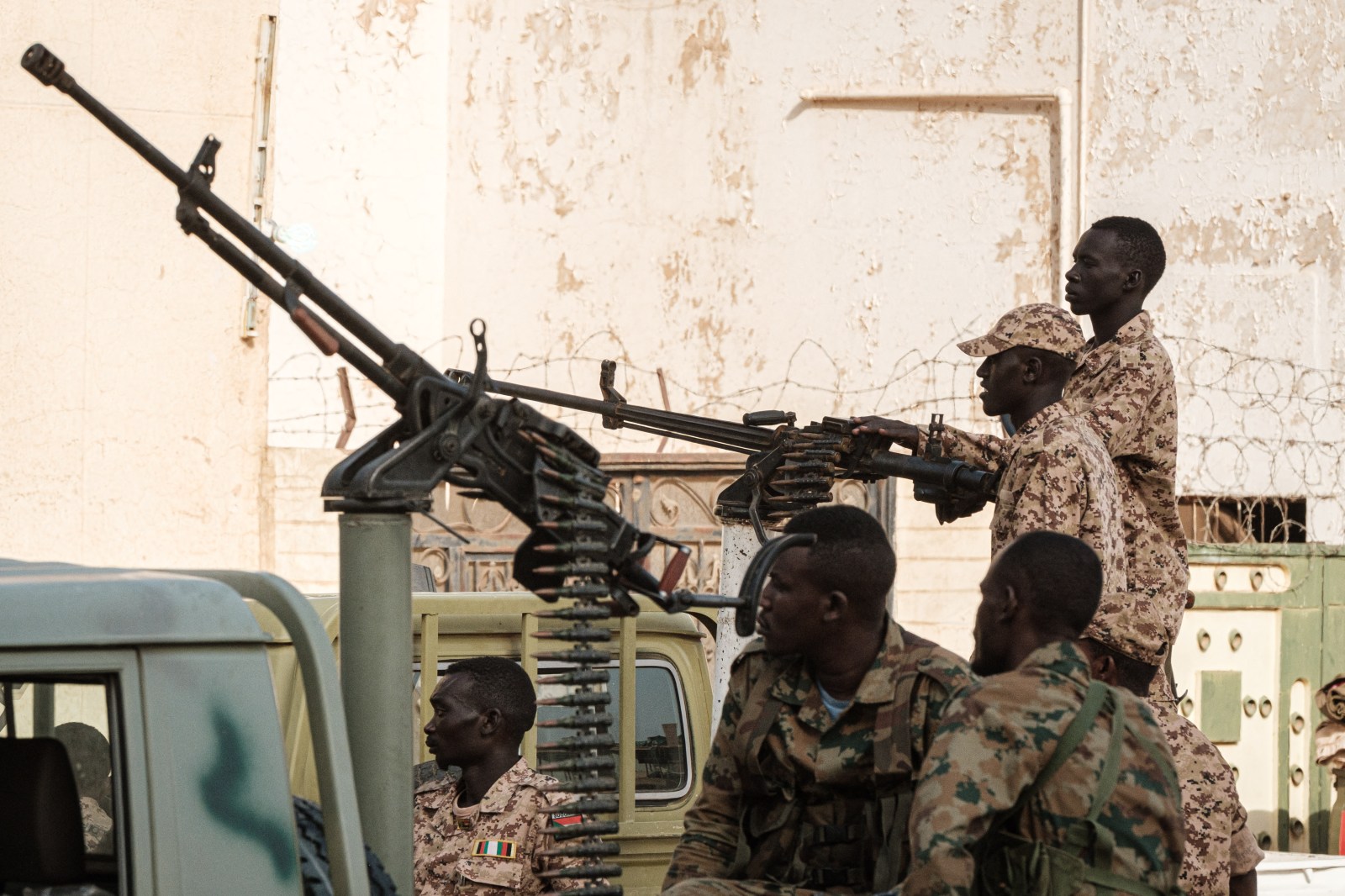
Conflict in Sudan is intensifying along the main front in the central part of the country. This situation not only challenges global peace efforts but also worsens the humanitarian crisis. Addressing this conflict requires moral, humanitarian, and strategic consideration. The United States should take decisive measures in response.
U.S. Strategy and Sanctions
The U.S. has enacted sanctions targeting the supply and financial networks of the Sudanese Armed Forces (SAF) to compel them to negotiate. This approach should extend to the Rapid Support Forces (RSF), with the proposal to classify them as a Foreign Terrorist Organization (FTO). Such a designation would impact the Emirati-supported arms trafficking networks that bolster the RSF’s capabilities and demonstrate U.S. commitment to peace.
Recent Battlefield Dynamics
The balance of power has shifted with recent battlefield developments. The lengthy impasse has pressured the RSF’s patronage system, reliant on looting, forcing a decision between further military action and negotiations. The RSF chose to escalate, launching a new front in southeastern Sudan in early 2026, preparing an offensive on El Obeid—the SAF headquarters—through reinforcements and drone strikes. However, the SAF has managed to counter these maneuvers, securing the supply line from northern Khartoum to El Obeid and opening possibilities for further advances towards RSF-controlled regions.
Humanitarian Concerns
The humanitarian crisis, especially around El Obeid, has drawn international warnings about violence and atrocities. The RSF’s warfare tactics include sieges and systematic attacks on civilians and infrastructure, characterized as war crimes. These have left civilians vulnerable to violence from both advancing and retreating forces. With its resources dwindled, RSF leader Mohamed Hamdan Dagalo authorized field commanders to act independently, exacerbating the risk of indiscriminate violence and crimes against civilians.
Strategic U.S. Interests
The U.S. has significant interests in Sudan’s peace, given the civil war’s potential to shift power dynamics in the Horn of Africa and the Red Sea. Malign actors, including Islamist factions, have gained influence within the SAF, and the conflict has supported smuggling routes between Yemen and Sudan. Iran and Russia seek to exploit the situation for regional influence, highlighting the strategic importance of Sudan’s Red Sea coast for U.S. allies and adversaries.
Action Required
For peace to advance, the U.S. could move beyond rhetoric by designating the RSF as an FTO. This action has bipartisan support and former officials have addressed any humanitarian or legal concerns. Such a designation would disrupt Emirati-linked networks supplying arms to the RSF, offering Abu Dhabi an opportunity to halt support and prevent reputational damage. Greater pressure on the RSF, rather than concentrating primarily on the SAF, strengthens prospects for lasting peace.
Long-term Considerations
An FTO designation would repair U.S.-SAF relations and foster SAF engagement in peace mediation. Key negotiators see the need for a postwar SAF, despite its flaws, to prevent state collapse. The RSF, deemed unfit for governance, runs as unruly militias prioritizing plunder. Learning from past errors is crucial. The U.S. and partners should avoid repeating mistakes by ignoring RSF activities, which compromises both Sudanese lives and strategic interests.
Liam Karr is the Africa team lead and Michael DeAngelo is an Africa analyst, both for the Critical Threats Project at the American Enterprise Institute. The views expressed are the writers’ own.