
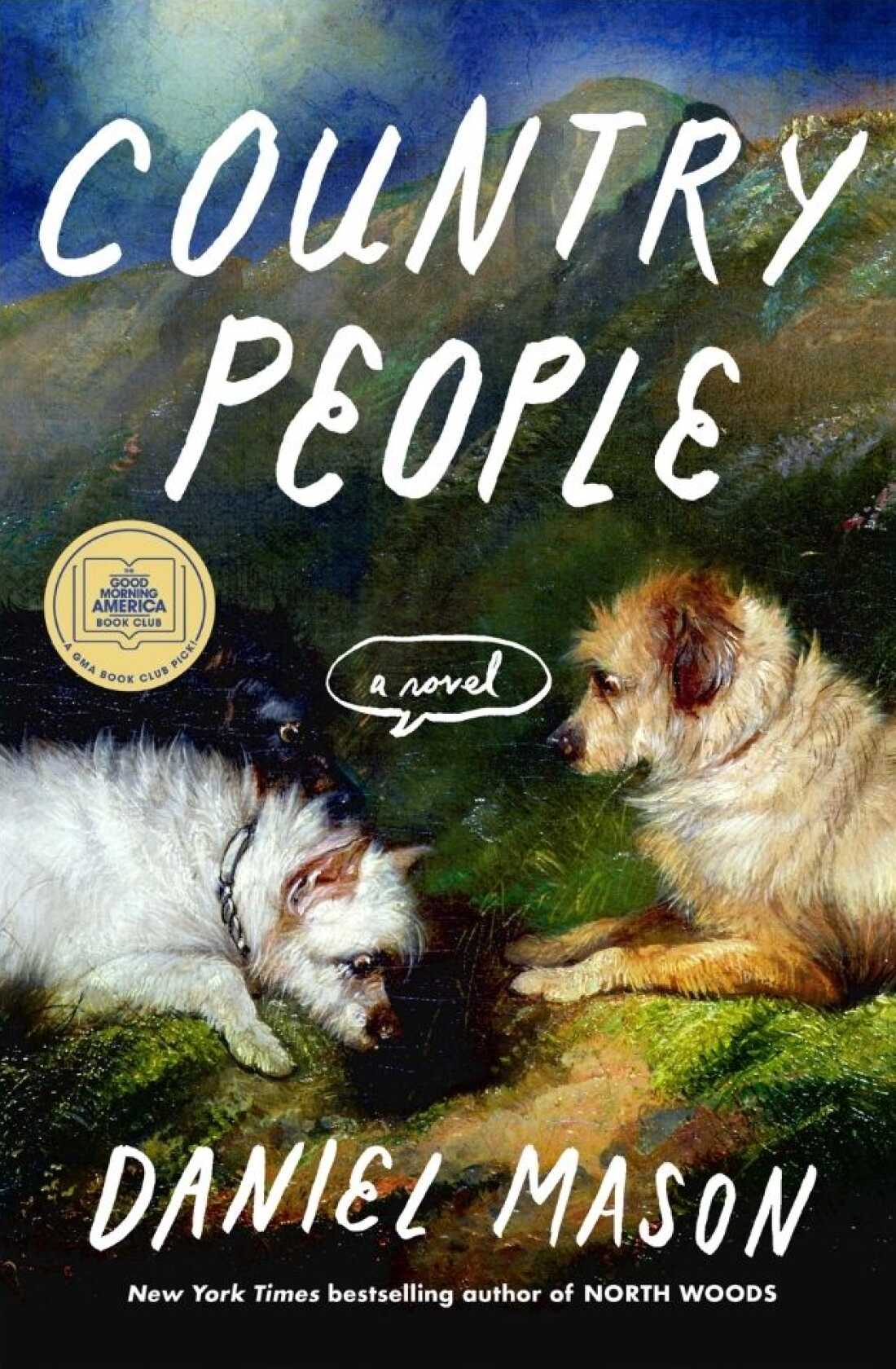
Penguin Random House Shakespeare understands the appeal of lighter reads during summer, which explains the selection of A Midsummer Night’s Dream. This play brings together commoners, nobles, and mischievous fairies in a whimsical forest setting. Country People by Daniel Mason presents a contemporary twist on this classical comedic tale.
Mason’s novel transports readers to a Vermont forest where characters reminiscent of an intellectual aristocracy converge. Among them is Kate, a brilliant scholar known for her work on Blake and Milton. She currently lectures in California but has secured a one-year visiting professorship at a Vermont college. Her husband Miles, a perpetual graduate student, struggles with a long-standing dissertation on Russian folklore. While his academic pursuits stagnate, Miles effectively manages household responsibilities, caring for their two children and Kate, who has multiple sclerosis. Additionally, he looks after their dog Giuseppe, whose talent for truffle hunting parallels Miles’ seemingly impractical academic focus.
The family embarks on a cross-country journey to Vermont, lured by the prospect of free housing in the wooded residence of a faculty member on sabbatical. Here, Country People intertwines academic satire into its storyline.
Academic Humor in the Plot
The novel humorously contrasts Kate and Miles through student evaluations. Kate’s classes are described as “super fun and interesting,” albeit not job-preparatory, while some colleagues altered courses to attract more students. Miles receives mixed feedback; described as “nice” but “sometimes hard to follow,” he often digresses, turning lectures on Turgenev into discussions about Ecuador. His demeanor is called “disheveled, not in a gross way.”
Settling into Vermont, the humor transitions from dry wit to tall tales. Miles is keen to interact with Vermont’s rural natives, drawing parallels with his studies in folklore. The locals express outlandish beliefs about flat and hollow Earth theories and mythical “Super-Rat-Lines” below the family’s residence.
Magical Realism and Humor
Fairy-like figures emerge, including a children’s ski coach and a drama teacher who involves Miles in staging an unedited version of A Midsummer Night’s Dream. This parallels Puck’s line: “Lord, what fools these mortals be!” Mason’s writing usually amuses rather than patronizes, maintaining a playful tone.
Though some jokes may extend too long, like the extensive footnote on play attendees, the novel embraces frivolity. Recognizing silliness as an overlooked artistic virtue, Country People offers abundant lightheartedness for reader enjoyment.