
Revolutionizing Healthcare Delivery
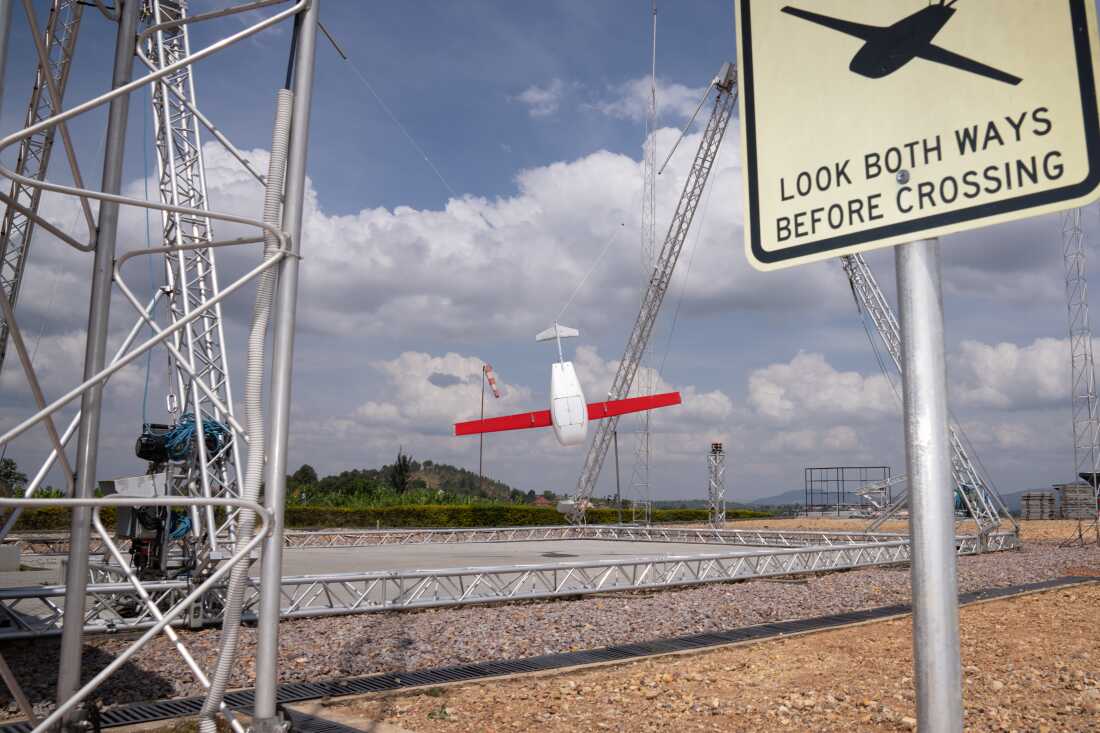
In Muhanga, Rwanda, a drone returns from a delivery, settling into the landing mechanism. Since 2016, the Rwandan government has partnered with Zipline, an American robotics company, to deliver emergency blood supplies via drones. This initiative addresses critical healthcare needs in challenging terrains.
A Life-Saving Intervention
Noella Mukanoheli, at nine months pregnant, faced a life-threatening situation. After a 50-minute motorbike trip to the clinic and a two-hour ambulance ride to the hospital, Mukanoheli required a massive blood transfusion. The hospital lacked her blood type, but drones swiftly delivered the needed supplies, saving her life.
Addressing Transportation Challenges
Rwanda is renowned for its difficult-to-navigate landscape, earning the nickname “land of a thousand hills.” Slow-moving traffic on narrow roads often causes delays. In response, the government contracted Zipline for drone deliveries, revolutionizing how medical supplies reach remote locations.
Zipline’s Role in Rwanda’s Healthcare
Zipline drones manage a wide range of medical deliveries, from vaccines to blood. Pierre Kayitana, Zipline’s country director, highlights the operation’s efficiency. Drones average a return time of under 30 minutes, contrasting with the several hours required by road transport.
Infrastructure and Logistical Support
Rwanda’s health minister, Dr. Sabin Nsanzimana, emphasizes the importance of such technology in reducing maternal mortality. The government’s comprehensive approach integrates technologies like drones with policies for universal healthcare and midwifery investment.
Challenges Amid Progress
Despite advancements, U.S. aid cuts threaten some healthcare initiatives. The cuts impact partnerships with organizations like Save the Children, which aids rural communities. Sustainable infrastructure, such as roads and energy access, remains vital to the success of these technological solutions.
Ongoing Needs and Future Aspirations
Many rural health centers continue to struggle without basic equipment. Head nurse Rosaline Uwera from a remote health post appreciates the drone deliveries but highlights the lack of essential items like oxygen and ultrasound machines.
“The ability of drones to deliver medicine swiftly is invaluable. However, foundational healthcare infrastructure is still necessary for comprehensive care.”
Noella Mukanoheli’s story underscores the potential and limitations of drone technology. While grateful for the drones that saved her life, she recognizes that improved local healthcare facilities are equally crucial.