
PLYMOUTH, Mass. (AP) — The murder trial of Lindsay Clancy resumed on Monday, focusing on her mental health issues and the tragic events in her Massachusetts home in 2023. The trial follows a week of intense testimonies and a jury visit to the crime scene.
Monday’s session involved emergency room doctors who treated Clancy and her children. Their testimonies add to last week’s statements from their colleagues, highlighting the horrific killings. Future witnesses may provide further insights into the mental health aspects central to this case.
Clancy’s defense argues she suffered from postpartum psychosis, a severe condition impacting some women after childbirth. According to the defense, this impaired her sense of reality.
Prosecutors argue Clancy acted intentionally, holding her accountable for the deaths of Callan, Dawson, and Cora Clancy, aged eight months to five years.
Last week, Clancy, 35, wept during testimonies. Her ex-husband Patrick and others recounted discovering the children in their home’s basement and Clancy severely injured in the yard, having jumped from a window. She is now paralyzed from the waist down.
Dr. Michael Snyder testified that Cora was declared dead shortly after arriving at the hospital. Eight-month-old Callan arrived with brain swelling and in cardiac arrest, needing a ventilator. He passed away three days later.
Clancy’s attorneys acknowledge the deaths but point to her undiagnosed bipolar disorder, exacerbated by inconsistent psychiatric medications as a defense. These medications led to profound insomnia, anxiety, and confusion, reported by Clancy in the months before the incident.
Richard Dwyer, a Duxbury firefighter, provided detailed testimony during the trial. Clancy sought help at a postpartum program in late December 2022, where clinicians attributed her symptoms to her medication. They advised tapering off one drug and discharged her within a day.
She later admitted herself to a psychiatric hospital for several days and continued outpatient psychiatric care. Her final appointment before the tragedy lasted only 17 minutes. The defense claims she heard voices instructing her to harm the children and herself.
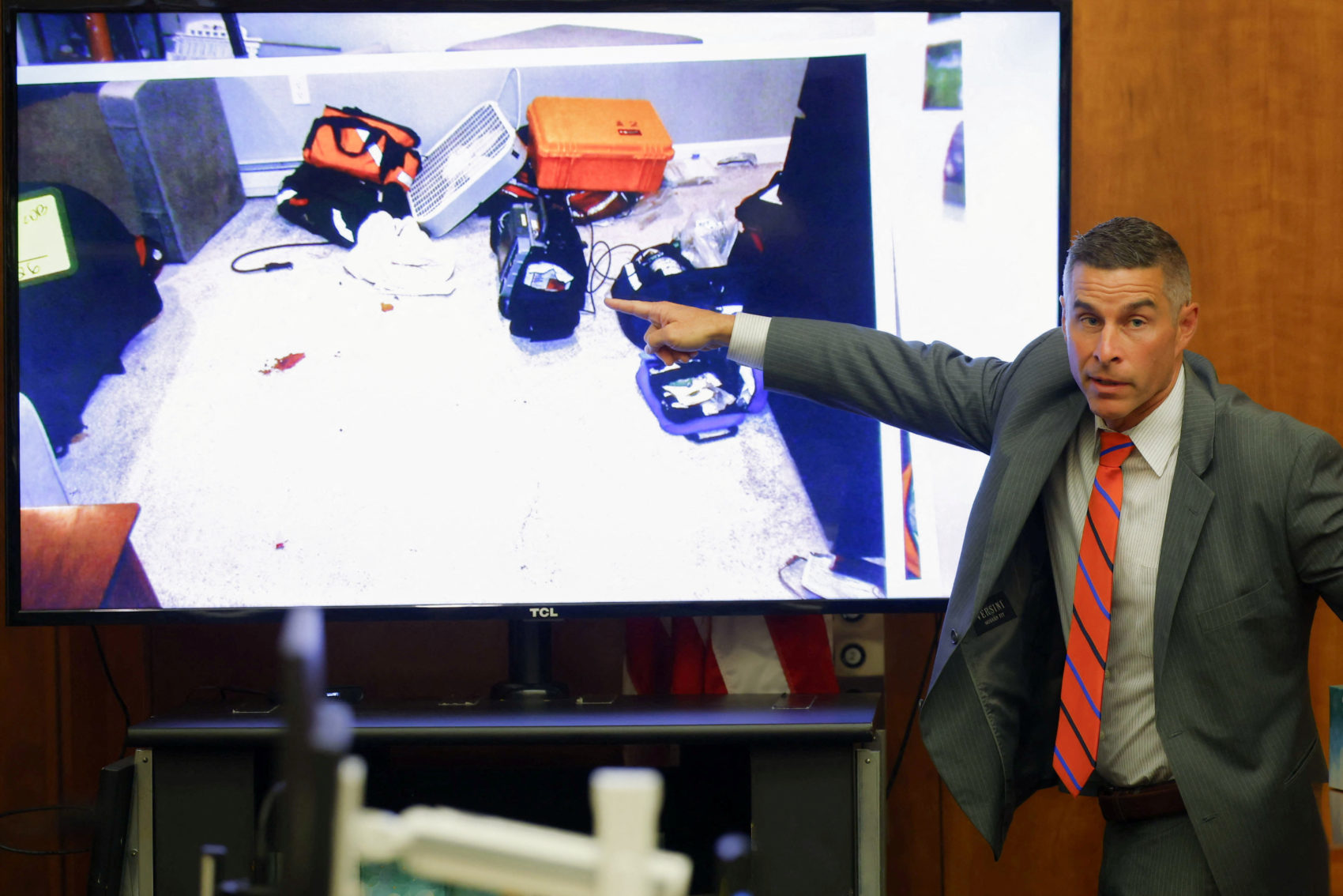
On the day of the incident, Clancy asked her husband to run errands. Prosecutors suggest this request was a strategy to get him out of the house. Jurors were shown the path he took during these errands and the home where the tragedy unfolded.
Patrick Clancy gave emotional testimony about returning to find a blood-stained bedroom, Clancy injured, and their children dead in the basement. His 911 call was played in court.
Both Lindsay and Patrick Clancy have filed lawsuits against healthcare providers, claiming negligence in assessing the risk to her and the children. However, those providers deny the allegations, stating that Clancy’s intentions were not clear.
Prosecutor Shanan Buckingham emphasized keeping the focus on Clancy’s actions rather than on the overall issue of women’s health care during her opening statement.
If found guilty of murder, Clancy faces life imprisonment without parole. If acquitted on grounds of criminal insanity, she will be placed in a state mental health facility.