
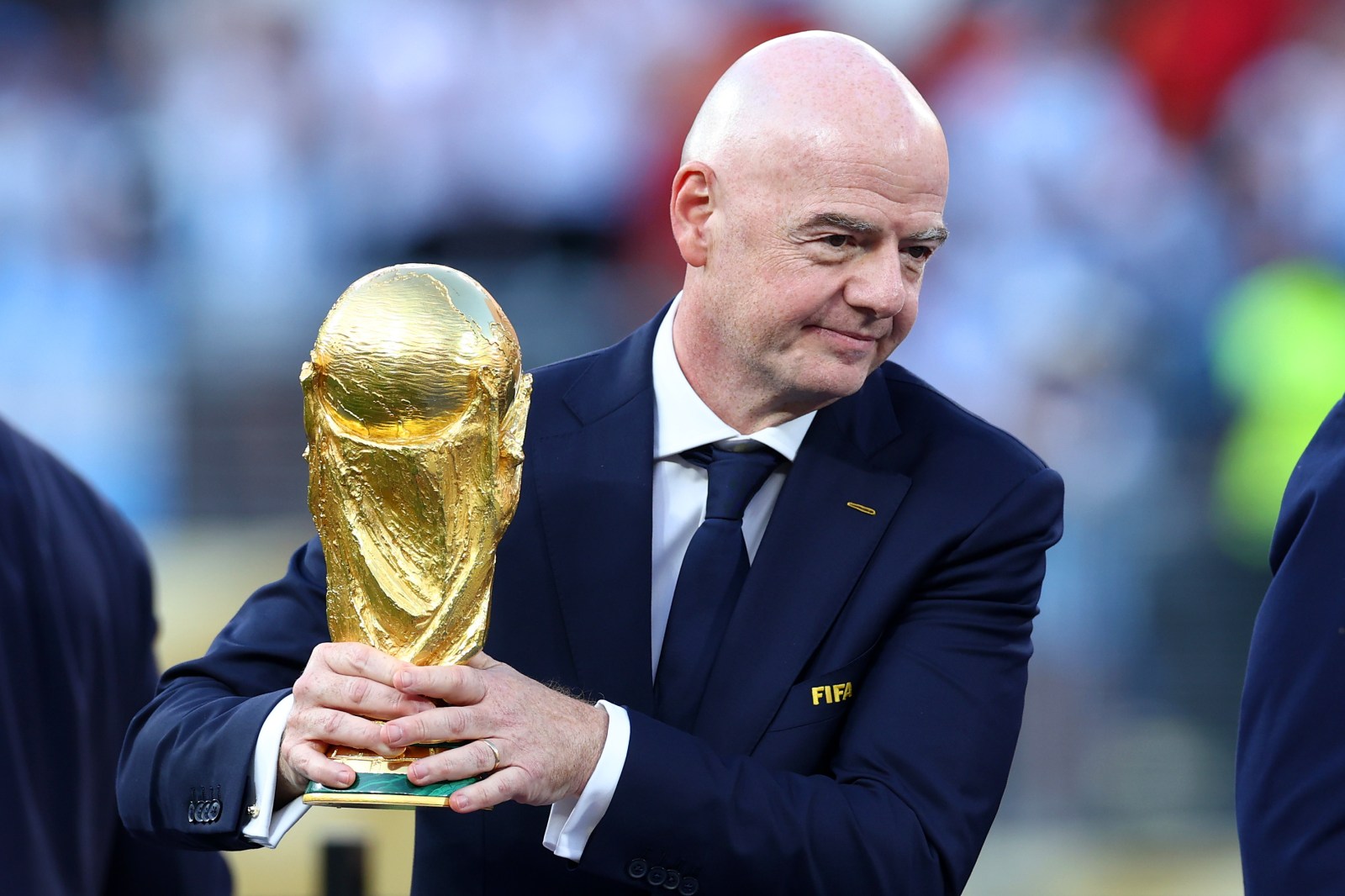
FIFA President Gianni Infantino’s recent attempt to sell a stake in the World Cup to private investors has faced severe backlash. The controversial plan aimed to create a new subsidiary, FIFA Forward Enterprise, and was developed with JPMorgan. It valued the venture at approximately $20 billion with a proposal to sell a minority stake worth up to $4.2 billion to outside investors like Thrive Eternal, while retaining FIFA’s majority control. Infantino pitched this move as a strategy to increase investment in global soccer.
Controversy and Opposition
Infantino gave FIFA’s 211 member associations until September 19 to approve the proposal. This deal promised to nearly double payments to each association, potentially reaching $24 million during the 2035-39 cycle. However, critics pointed out that the incentives obscured a strategic shift. This could have led to a World Cup held more frequently than every four years, sparking significant opposition against Infantino.
UEFA’s 55 member associations voted to boycott all FIFA competitions while the plan was under consideration, and CONCACAF dismissed it as well. The Asian Football Confederation, usually supportive of Infantino, requested an urgent governance review. UEFA criticized FIFA for its secretive proposal process and questioned Infantino’s leadership, calling for a thorough review of FIFA’s governance.
Internal Dissent within FIFA
Infantino faced challenges from within FIFA itself. Carlos Cordeiro, a senior adviser, resigned in protest, labeling the plan as detrimental to soccer. FIFA COO Kevin Lamour criticized the secrecy and lack of transparency, indicating internal discord.
FIFA responded with multiple statements, insisting that no sale of football was taking place and attributing disruptions to inaccurate media reports. These events occurred as Infantino prepared for a fourth term bid in March 2027, with substantial pre-election support.
UEFA’s Strong Stand
UEFA increased pressure on FIFA by threatening a boycott of all FIFA tournaments if the proposal persisted. It labeled the World Cup as “not for sale” and condemned the closed process that favored a select few. Mark Pieth, former head of FIFA’s Independent Governance Committee, indicated that UEFA’s stance marked a significant shift in FIFA dynamics.
UEFA’s potential breakaway could alter global soccer, resembling strategic tournaments like the Copa América, which often invites guest teams. A UEFA-led event with nations like Brazil and Argentina could present an alternative to FIFA-controlled competitions.
Factors Influencing the Power Struggle
Simon Chadwick, a sports geopolitics expert, highlighted that election victories within FIFA rely on global member support, especially from Africa, where FIFA Forward funding is critical. Although UEFA represents only 55 members, the broader international support is essential for leadership stability.
Chadwick indicated that UEFA’s resistance wasn’t purely principled, given its commercial operations and overlapping territories with Infantino’s expansion plans. The standoff involves competing commercial interests rather than simple moral differences.
Leverage of Elite Clubs
Key clubs like those in the Premier League, Real Madrid, and others could withhold players from FIFA tournaments if the proposal leads to an overloaded football calendar. This legal objection reflects concern over player welfare and commercial interests.
The European Club Association (ECA), led by PSG president Nasser al-Khelaifi, finds itself in a complex position. Despite past cooperation with Infantino, potential conflicts arise from differing interests. History suggests that club-led rebellions could be more challenging to predict.
Infantino’s Political Alliances
Infantino’s connection with influential figures like Joshua Kushner points to strategic relationships influencing FIFA’s direction. Critics raise concerns about nepotism and conflicts of interest surrounding the proposal’s development.
FIFA’s member association voting system, where each federation holds equal weight, allows Infantino to consolidate power by appealing to regions like Africa. Ensuring financial incentives through increased FIFA Forward payments secures wider member backing despite procedural criticisms.
As dissent emerges from within and outside FIFA, Infantino’s leadership faces scrutiny. Nonetheless, Infantino’s strategic alliances and financial promises might sustain him unless UEFA and clubs choose a decisive breakaway path.