
Powassan Virus Reaches Record High
Dr. Marc Siegel, a senior medical analyst at Fox News, has highlighted the sharp rise in cases of Powassan virus, a rare tick-borne illness. Current reports indicate 15 cases of the disease, a figure overshadowed by the record 76 cases recorded in 2025. Dr. Siegel cautions that there is no specific treatment or vaccine for Powassan virus, urging parents to inspect their children for ticks after activities like summer camp.
Preventative Measures
To reduce the risk during peak tick season, prevention strategies are crucial. Suggested methods include using insect repellent and wearing protective clothing.
Bourbon Virus Presence in New York
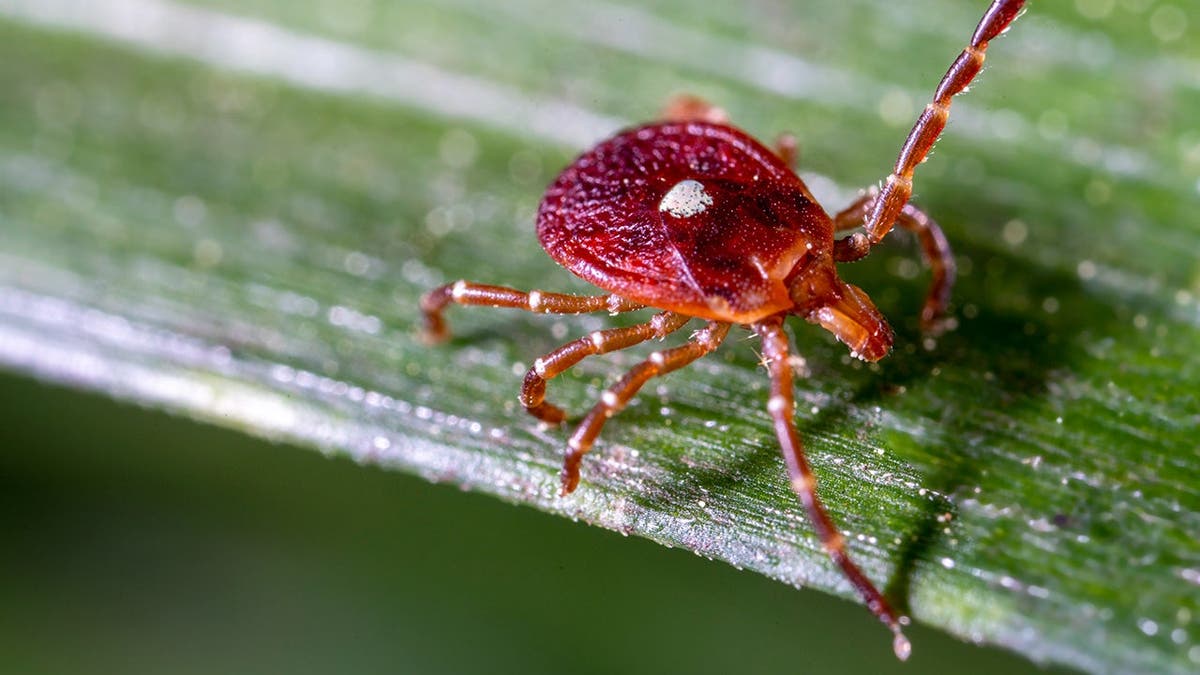
The Bourbon virus, another rare tick-borne pathogen, has been confirmed in New York for the first time. Transmitted by the lone star tick, this virus already complicates diagnoses. With only six reported human cases since its identification in 2014, Stony Brook Medicine warns that more infections may be undiagnosed. Notably, the virus has been associated with at least two deaths, including the initial case in 2014.
Symptoms and Diagnosis Challenges
Symptoms of Bourbon virus include fever, fatigue, rash, headache, body aches, and nausea. Due to the absence of a commercial diagnostic test, these symptoms often lead to misdiagnosis. Researchers at Stony Brook Medicine, led by Dr. Luis Marcos, documented the first New York case in a Long Island patient who exhibited severe symptoms and a significant rise in antibody titers.
Need for Enhanced Surveillance
Dr. Marcos emphasizes the need for improved surveillance and testing to better diagnose and track Bourbon virus. The CDC notes the widespread presence of lone star ticks in the Northeast, South, and Midwest United States, identifying these ticks as aggressive and capable of spreading diseases.
Preventing Tick Bites
To prevent tick bites, experts suggest wearing long sleeves and pants, using insect repellent, and avoiding overgrown areas. Lone star ticks can be identified by the white dot on the back of adult females. Despite their severity, only certain ticks transmit diseases.
Avoiding densely wooded areas and sticking to well-beaten paths reduces exposure risks. Promptly checking for and removing ticks is essential, and seeking medical care for symptoms like fever or rash following a tick bite is advised.