
Northwestern University stands as a challenge for Evanston, Illinois, due to its historic tax exemption. This exemption stems from an 1851 charter, which excludes the university from paying property taxes to the city and other taxing bodies. Evanston officials continuously seek more funds from this major employer, yet encounter resistance due to this century-old exemption.
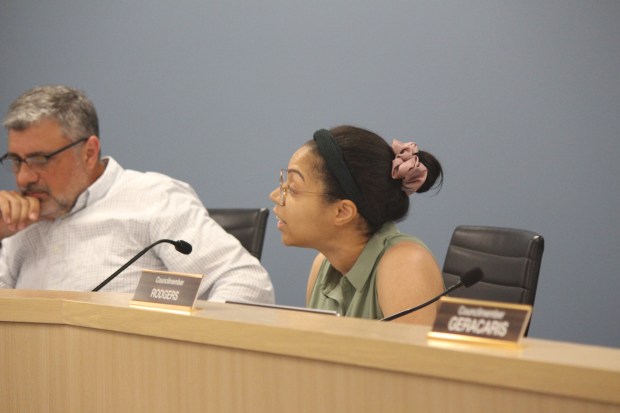
Recently, on July 27, Evanston’s City Council faced a tie vote concerning whether to place an advisory referendum question on the November 3 election ballot. This question aimed to ask voters if tax-exempt organizations like Northwestern should pay an equivalent amount for commercial uses unrelated to their nonprofit missions. The proposition failed, with Ald. Juan Geracaris abstaining due to his university employment, leaving the council in deadlock. Mayor Daniel Biss was absent, unable to break the tie.
Illinois, like all states, mandates property taxation. However, entities such as schools, government agencies, and nonprofits can apply for exemptions. Northwestern’s corporate charter exemption, granted before the 1870 Illinois Constitution, ensures its properties remain tax-free. This privilege is rare, shared by only 80 private educational or charitable institutions, making Northwestern notably unique. While most nonprofits pay taxes on land used for commercial purposes, Northwestern has managed to avoid this.
Ald. Parielle Davis led efforts to require Northwestern to make payments in lieu of property taxes, termed PILOT. Davis advocates for taxation aligned with Northwestern’s nonprofit entity status. The referendum’s language aimed to allow tax exemption for commercial activities given City Council approval. Davis pointed out the inequity in Northwestern’s exemption compared to typical university practices.
Alders debated the referendum’s potential legal challenges. Ald. Bobby Burns believed his ward would largely support the proposal without needing a formal referendum. He preferred preliminary discussions focused on legal feasibility and impact on Evanston’s relationship with Northwestern.
Ald. Jonathan Nieuwsma considered a non-binding referendum ineffective for solving problems. He suggested drafting a legally viable ordinance to address Northwestern’s contributions to the city. The timing of challenging Northwestern is crucial, given their recent agreements, such as the $875 million Ryan Field stadium project.
Alex Ruggie, Evanston Corporation Counsel, stated that the charter faced legal challenges, yet was consistently upheld in courts. He stressed Northwestern’s unique legislative charter, unlike other Illinois universities. Whether increasing the vote threshold for tax agreements posed legal hurdles remained unanswered.
Ald. Matt Rodgers, acknowledging his nonprofit experience, supported both a referendum and an ordinance to tackle the issue. Despite the tie vote, Evanston remains hesitant in confronting its wealthiest institution.
Though Ald. Nieuwsma recognized Northwestern’s exemption as problematic, he noted its legal standing. He warned of potential court battles and expenses if Evanston pursued an ordinance against Northwestern, advocating dialogue over referendums.