
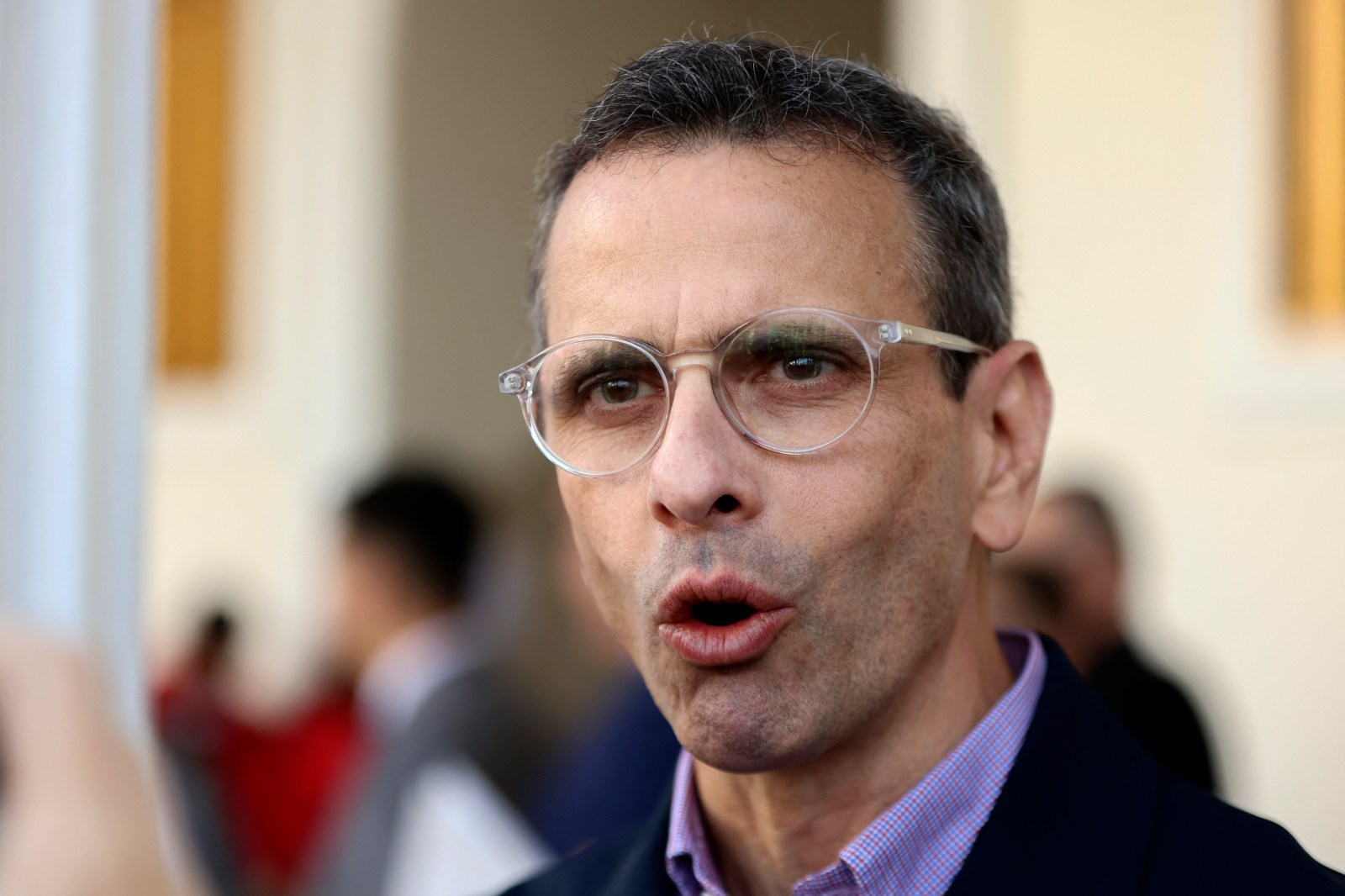
Henrique Capriles, a prominent Venezuelan opposition leader, has contested the presidential race twice, inching close to defeating the Chavismo movement. Amid a U.S.-led transition of power in Caracas, Capriles has developed a nuanced view of Washington’s role.
Capriles’ Perspective on U.S. Involvement
While U.S. President Donald Trump has shifted his tone toward interim Venezuelan President Delcy Rodríguez from threats to praise, Capriles maintains caution. He separates Trump’s statements from his administration’s actions.
I’m not one of those who gets carried away by President Trump’s statements,Capriles stated.I don’t take them as some kind of definitive sentence, because we’ve seen many statements from President Trump, and three days later it’s something else.
Despite Trump’s harsh warning to Rodríguez post-January 3 operation, his rhetoric evolved into support. Trump’s remarks on Venezuelan oil flowing to U.S. refineries indicate fluctuating relations.
Capriles perceives Trump’s comments as unpredictable, noting communication between Trump and Maduro before the January operation. He credits Trump for Maduro’s ouster, suggesting electoral efforts alone were insufficient. Capriles emphasizes the disputed 2024 election and gestures to circumstances where Trump intervened decisively.
The Operation and Its Implications
Operation Absolute Resolve on January 3 involved U.S. Special Forces capturing Maduro and his wife, Cilia Flores, from a secured compound in Caracas. The operation aimed to dismantle what was framed as a narcotics network.
Venezuelan authorities reported casualties and injuries, while Maduro faced charges in New York. Capriles suggested the operation stemmed from Maduro’s refusal to acknowledge defeat in 2024, potentially altering international dynamics.
Capriles described Trump’s decisive action as a gamble that succeeded. He highlighted the interim governance by Rodríguez and the U.S.’s role in facilitating a transition.
Controversies and Sovereignty Concerns
U.S. involvement in Venezuela’s transition has provoked criticism, including remarks from Colombian President Gustavo Petro about Latin American sovereignty. A New York Times investigation detailed U.S. Secretary of State Marco Rubio’s influence in Venezuela.
Capriles dismissed claims of surrendered sovereignty, characterizing such rhetoric as misleading nationalism. He portrayed the U.S. role as temporary and strategic for Venezuelan recovery.
The economic aspect of the transition has drawn attention. Financial Times reported substantial U.S. revenue from Venezuelan oil, with limited funds returned to Venezuela. Capriles viewed economic interests as secondary to longer-term democratic goals.
Transition Talks and Challenges
Rubio announced transition talks in August, marking a shift to the third phase of his plan. However, divisions within the opposition surfaced, with figures like María Corina Machado voicing concerns about the process.
Capriles underscored the importance of inclu
Navigating Recovery Amid Disasters
Venezuela’s transition faced further challenges due to devastating earthquakes in June that claimed thousands of lives. The interim government secured IMF support, but recovery costs remain substantial.
Capriles noted the disaster revealed unity among Venezuelans, transcending political divides. He advocated for justice through robust institutions to prevent repeating past mistakes.