
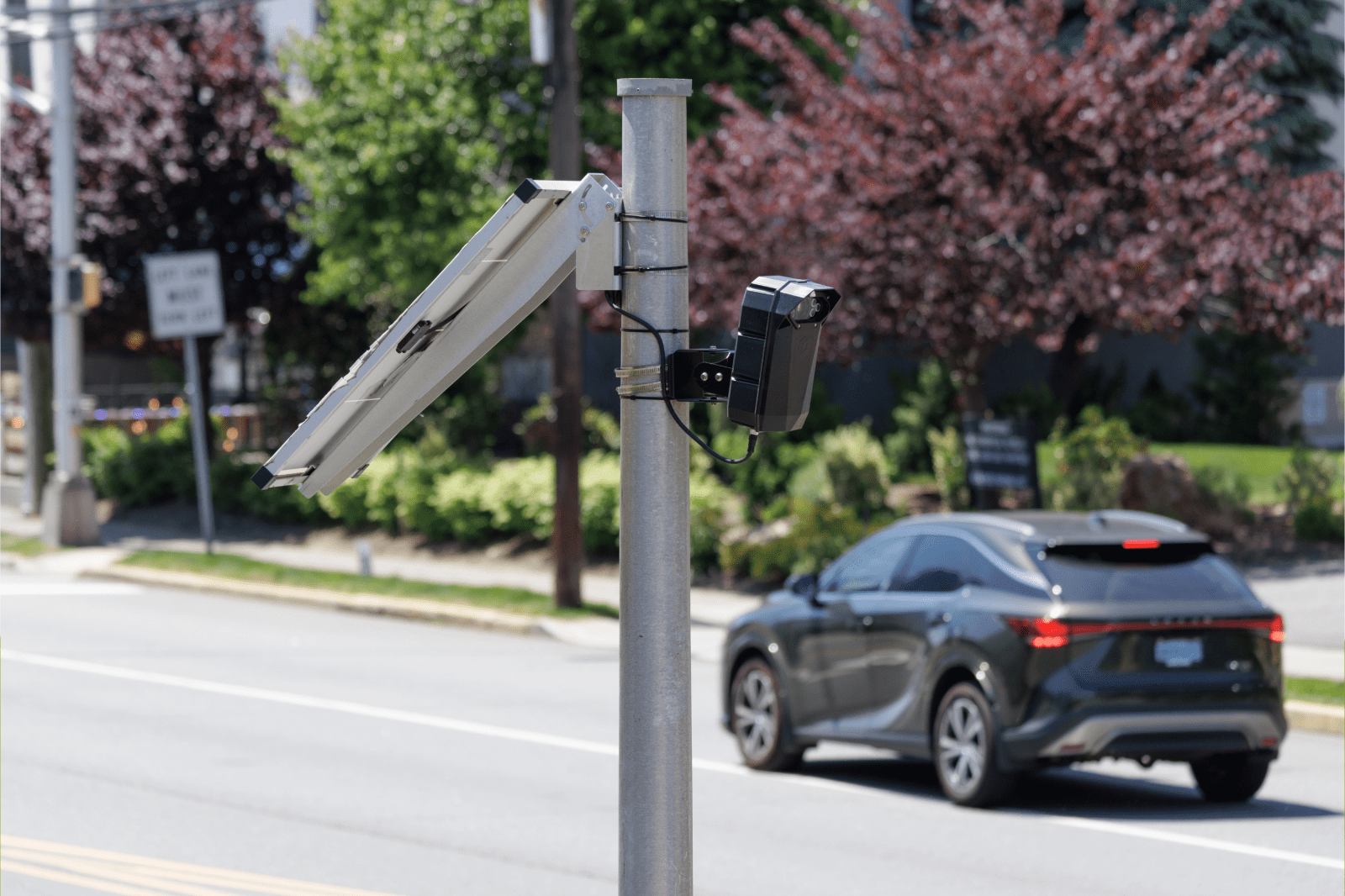
A significant number of U.S. communities are increasingly opposing Flock Safety’s Automated License Plate Reader (ALPR) cameras. Numerous cities and local governments reject proposed systems, cancel existing contracts, deactivate cameras, or decline to renew agreements due to concerns over privacy, data sharing, and government surveillance. This trend emerges as Flock rapidly expands nationwide. According to DeFlock, an anti-surveillance group, there are over 122,000 license plate reader cameras mapped across the country. The group also states that 95 cities have rejected ALPR systems.
Opposition to Flock cameras, frequently employed by law enforcement to identify vehicles associated with crimes, is growing. Critics warn that the technology can create extensive databases tracking drivers’ movements. Supporters argue that these systems are vital for solving crimes and locating suspects. Newsweek sought comment from Flock via email.
Contracts Canceled and Renewals Denied
Several communities ended their relationships with Flock after adopting the technology. In May, the El Cerrito City Council in California decided not to renew its contract with Flock. This led to the city’s cameras being turned off on June 7, 2026. Council members expressed concerns about potential federal government access to collected data and dissatisfaction with negotiations. Mayor Pro Tem Rebecca Saltzman highlighted worries about changing laws and potential data access by the federal government.
Appleton, Wisconsin, also stopped using the Flock system in May. Following community feedback, city officials decided to end the use of Flock cameras. Mayor Jake Woodford cited concerns about the integrity of Flock’s system eroding trust. Other governments terminated contracts amid public opposition. Bloomington, Indiana ended a $50,000 agreement with Flock after community pushback. Tompkins County, New York, also terminated its contract due to resident activism against surveillance. Ithaca and Saranac Lake, New York, canceled contracts after facing privacy concerns and public criticism.
Proposals Rejected Before Cameras Were Installed
Some communities halted Flock deployments before installation. Shoreline, Washington, canceled a planning meeting with Flock in April, rejecting an ALPR contract after facing public opposition and concerns from council members. Mayor Betsy Robertson conveyed that council members were not interested in pursuing the system at this time.
In Menominee, Michigan, city leaders voted unanimously in May to cancel an existing arrangement after cameras were activated without city council approval. Officials questioned the destination of the collected information and how the system was turned on without formal authorization. Salem, Illinois, also canceled an agreement with Flock after contract terms changed, raising worries among city officials.
Cameras Switched Off
Some communities have not completely banned the technology but have deactivated systems to reassess privacy and oversight concerns. DeFlock’s tracker identifies numerous communities that have shut cameras off rather than maintaining active monitoring programs. According to DeFlock, 22 jurisdictions have deactivated cameras, while 47 have canceled contracts and 25 have rejected proposed agreements. Only Ypsilanti, Michigan, is listed as having formally banned ALPRs outright.
Why Communities Are Pushing Back
The reasons for opposition vary, but common themes appear in local debates. Privacy concerns are frequently cited. Opponents believe ALPR networks could create long-term records of vehicle movements, raising questions about data storage, access, and potential sharing beyond local agencies. Other communities worry about federal data access, information sharing practices, transparency, and resident consultations before system approval.
The backlash has moved from online criticism to local government meetings. Residents have organized campaigns, attended council meetings, and pressured officials to reconsider surveillance programs. DeFlock attributes several cancellations to public opposition and community activism. Meanwhile, supporters maintain that Flock cameras assist police in investigating crimes, finding stolen vehicles, and generating leads.
As surveillance, privacy, and policing debates continue, more cities challenge Flock’s expansion. While thousands of communities still use ALPR technology, many choose a different path by rejecting new proposals, terminating contracts, or turning off cameras.