
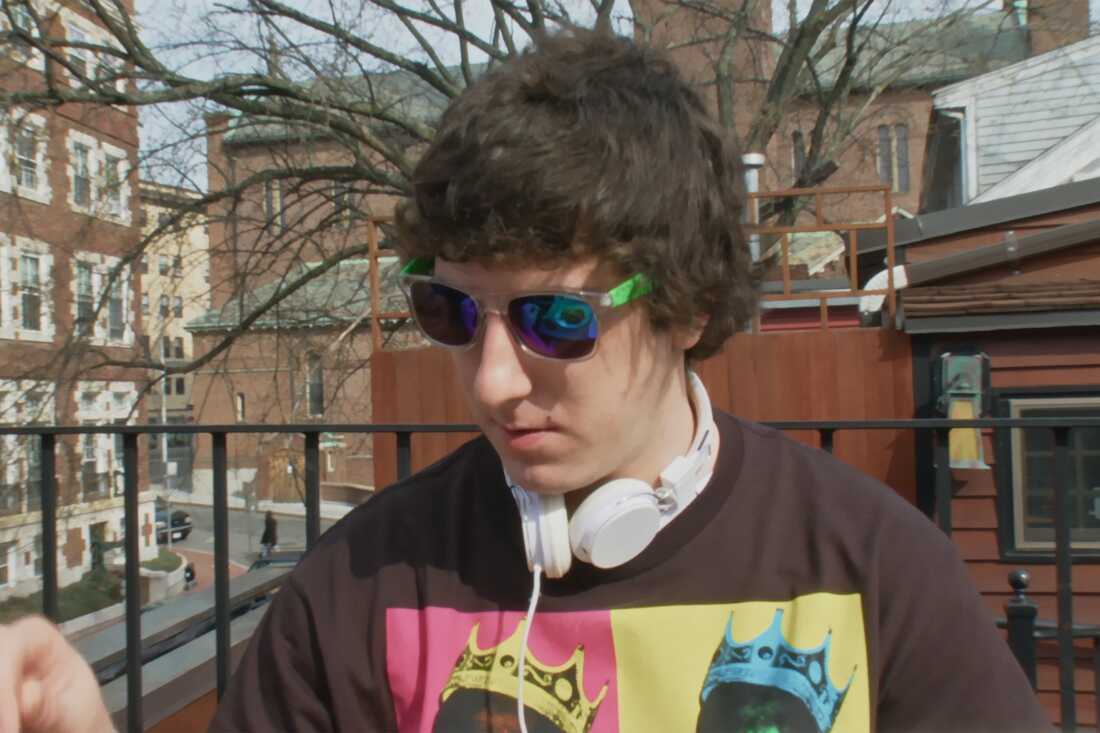
Adrian McElwee, the son of filmmaker Ross McElwee, has been a prominent subject in his father’s works. Ross McElwee’s films show how the mundane aspects of life can be captivating when viewed through a keen lens. The saturation of social media with ordinary events has created an illusion that everything is inherently interesting. However, true engagement with the everyday, as demonstrated through McElwee’s filmography, can unveil substance and connection.
Ross McElwee is known for weaving personal narratives with documentary filmmaking. His new feature, Remake, dives into the loss of his son Adrian. It combines decades of stories and footage, presenting a rich, self-referential exploration of McElwee’s life and career. Prior to watching Remake, exploring McElwee’s earlier films provided insight into his unique style and approach.
McElwee’s works share similarities with modern-day content creators and diaristic filmmakers. Often working solo, he filmed various individuals in his life, capturing their responses to being filmed before the smartphone era made everyone a potential filmmaker. Recurrent figures and footage across his films highlight the passage of time and create a cohesive narrative.
Charleen Swansea, a poet and educator, appears in many McElwee films, offering wisdom and charm through personal challenges. His best-known work, Sherman’s March, diverged from intended themes to explore McElwee’s romantic pursuits. Known for its introspective nature, this film invited audiences to reflect on humanity and relationships.
Remake is McElwee’s first film in 15 years, following Photographic Memory which addressed his complex relationship with Adrian. The interwoven footage traces Adrian’s struggles, ultimately leading to his tragic overdose in 2016. Viewing Remake does not require familiarity with McElwee’s previous works, though they enhance understanding of the continuous narrative.
The impact of fusing real life with art is evident in McElwee’s films. He captures pivotal life moments, questioning whether the comprehensive documentation offered clarity or distortion. Adrian’s own filming of his struggles hints at the dual purpose of recording life.
McElwee’s introspection reflects on whether his filmmaking journey has been worthwhile. His dedication to observing details and extracting meaning continues to resonate profoundly with audiences. Through Remake, he explores both his own life and his son’s, haunted yet enriched by the lens through which he viewed the world.
This piece also appears in NPR’s Pop Culture Happy Hour newsletter. For more information or recommendations, listen to Pop Culture Happy Hour on Apple Podcasts and Spotify.