
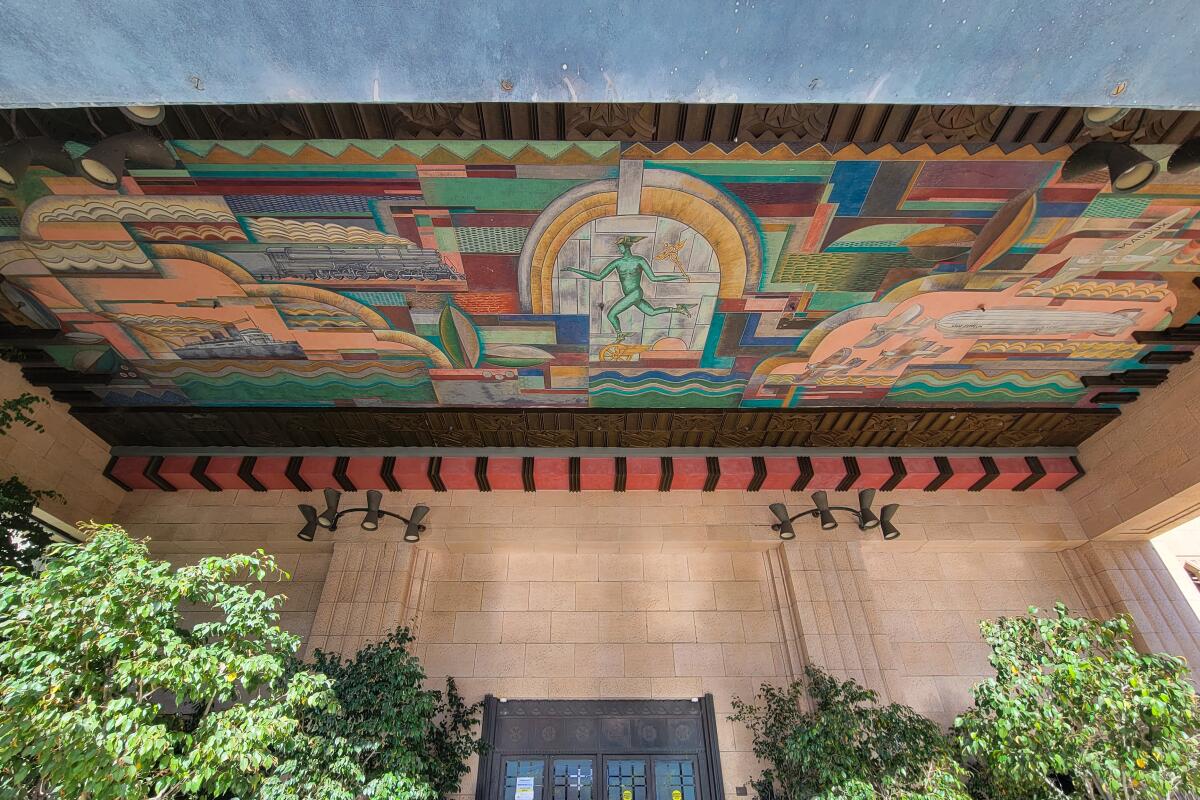
Growing up in Los Angeles, department stores were a clear indicator of social class. My grandmother often explained the nuances among them. May Co. was affordable, especially during sales. Broadway was pricier, but bargains were possible. Bullocks attracted the Buick and Lincoln crowd, while Robinson’s catered to Cadillac owners. I. Magnin was for those with Mercedes and Rolls Royces.
These stores were more than shopping venues. They represented aspirational lifestyles for many. My grandmother, mostly a window shopper, found solace in these stores as they symbolized the different social strata of post-war Los Angeles. Her excursions often ended with nothing but a perfume sample on her palm.
This summer marks 20 years since the classic Los Angeles department stores closed. In 2006, workers removed the last Robinsons-May signs, marking the end of an era. Robinsons-May survived longer than Bullock’s, Buffums, and Orbachs, but couldn’t compete with national chains and the shift toward discounters like Target and Kohls.
In today’s era of online shopping and social media, it seems almost unimaginable the impact brick-and-mortar stores had in 20th-century Los Angeles. Their advertisements filled newspaper pages, differentiating even within the same print. Mid-market chains like May Co. splashed their ads in news sections, while upscale stores like Robinsons commanded feature sections with elaborate hand-drawn sketches.
The grand department stores began downtown, a streetcar ride away. They soon adapted to the car culture of post-war suburbia, anchoring the malls that became the suburban hubs. The arrival of Bullocks or Robinson’s in a community signaled status and sophistication.
My Grandmother’s Amusement Park
To her, these were more than places to shop. Despite buying her clothes at the down-market Fedco, the fancy stores were her amusement parks. She delighted in the tea room atop Bullock’s Wilshire, where hats and gloves remained in vogue well into the late 1980s. Visiting Robinson’s in Beverly Hills, she admired the prestigious elements like Travertine stone from Peru and Rosewood from Madagascar, perhaps oblivious to the exclusivity they represented.
When these stores closed, like Robinsons-May in 2006, employees mourned the loss of unique public spaces. Yet, like many of her generation, my grandmother saw them as more than shopping venues; they were cultural touchpoints, even if they once echoed segregationist history, before becoming more inclusive post-1940s protests.
Preserving Memories
Today, you can still experience the nostalgia at Macy’s on Lake Avenue in Pasadena, formerly a Bullocks. Its vintage charm, complete with old fixtures and an antique elevator, transports visitors back in time. Whenever Macy’s announces closures, I hold my breath hoping Pasadena’s location remains.
Department stores influenced countless lives, shaping memories and aspirations. As brick-and-mortar stores continue to evolve, these legacies remind us of their once grand position in our society.