
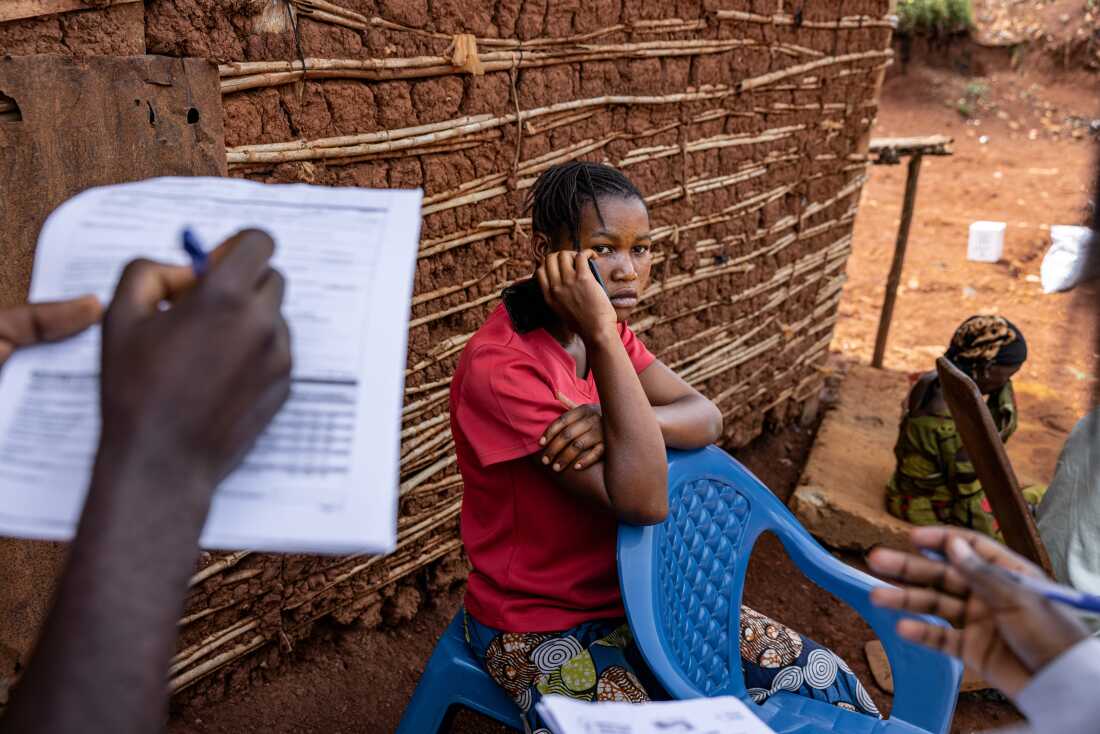
Health officials in the Democratic Republic of Congo are actively conducting contact tracing to combat the ongoing Ebola outbreak. This region is currently experiencing an outbreak without an approved vaccine, emphasizing the need to identify and monitor those exposed to the virus.
Contact Tracing: A Key Strategy
According to Armand Sprecher, an infectious diseases physician with Doctors Without Borders, the main strategy involves finding possible transmission pathways. This includes identifying individuals who may have been in contact with infected patients, cared for them, or touched contaminated items.
“We find a sick person and say, ‘Who was in contact with that sick person?'” Sprecher explains.
The virus spreads through bodily fluids, so locating and informing potential contacts is essential. These individuals must be monitored to ensure they do not spread the virus further and to provide timely medical care if symptoms develop.
Challenges in the Outbreak Response
The outbreak has resulted in over 1,000 deaths and more than 2,400 cases within two months. Daily case counts remain high, and over 80% of new cases are arising outside of known contact networks, according to Nahid Bhadelia, infectious disease physician at Boston University.
“It means that a lot more people have this disease than we think, and contact tracing is not keeping up,” Bhadelia says.
This high percentage indicates incomplete contact tracing, with potential transmission chains untracked, particularly in regions with transient populations and conflict.
Increasing Efforts on the Ground
Some 21,000 community workers are being trained by the World Health Organization to assist in these efforts. Yet, many cases remain unseen by health officials. A significant number of people seek care from traditional healers or avoid medical centers due to the stigma and mistrust toward healthcare providers, notes Boghuma Titanji of Emory University.
“There’s lots of mistrust toward the medical science and the people who are investigating the outbreak,” says Titanji.
Building Trust and Improving Care
Building trust with affected communities is crucial. Recent clinical trials for potential treatments offer a glimmer of hope. Nahid Bhadelia emphasizes that improving care can help build this trust and motivate people to engage with contact tracers and clinics.
“Providing better care can, of course, be access to potentially promising treatments,” Bhadelia says.
Access to these treatments is currently limited to clinical trials, but the hope is that they will encourage more individuals to seek help, ultimately reducing the outbreak’s impact and bringing it under control.