
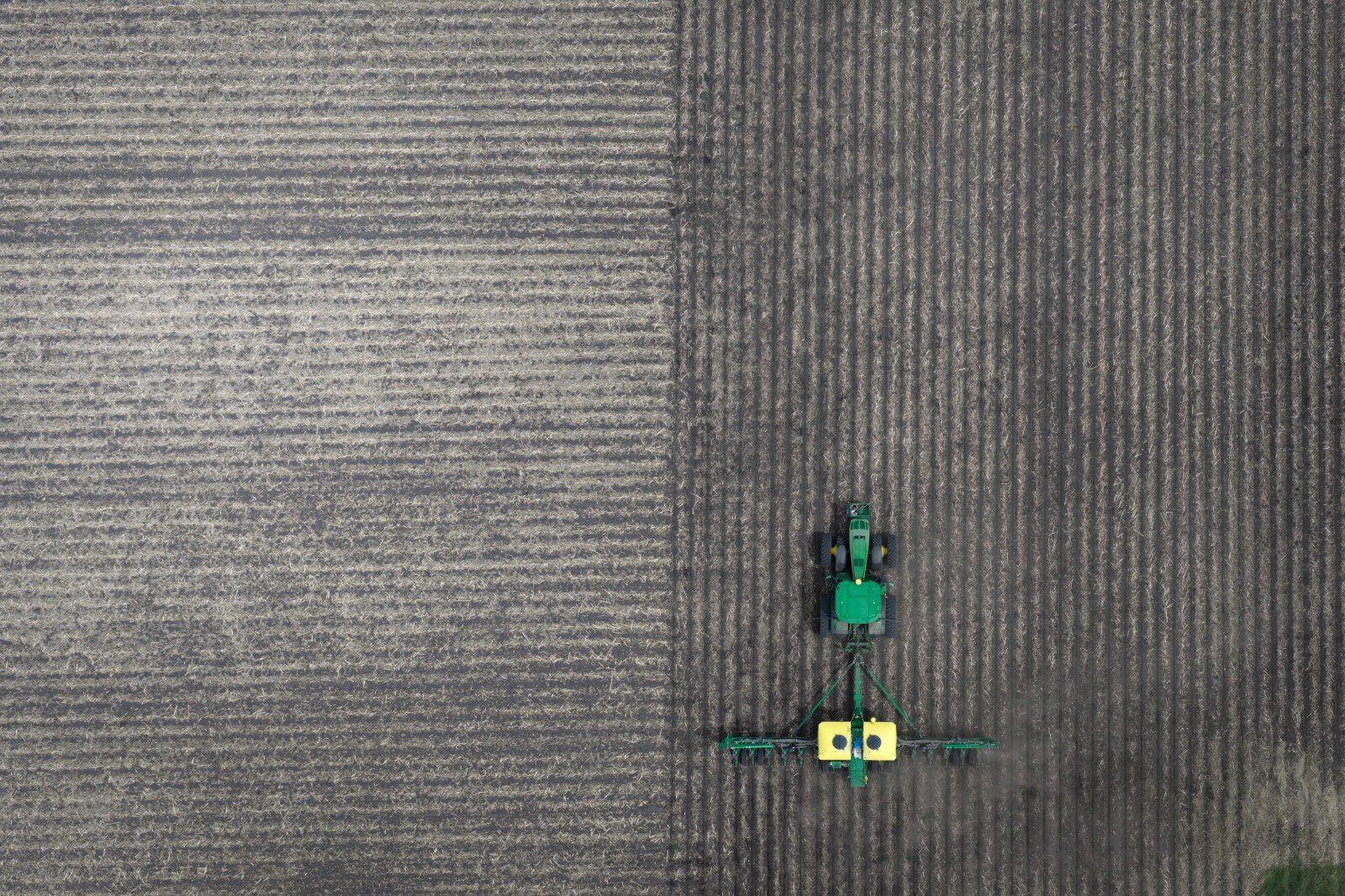
Iowa’s Farm Economy Under Pressure
Iowa’s farmers are facing significant challenges as net farm income drops 53% from 2022 to 2024. Row-crop producers are dealing with a third year where costs exceed crop prices. This downturn is occurring at a politically crucial time for Iowa, traditionally a Republican stronghold. Recent economic challenges could potentially provide an opportunity for Democrats in crucial statewide races.
A report by Iowa State University, the Iowa Farm Bureau Federation, and the Iowa Bankers Association reveals that low commodity prices, high production costs, and ongoing uncertainty are heavily impacting Iowa agriculture. Chad Hart, an agricultural economics professor at Iowa State University, noted that this is a multi-year downturn affecting the farm economy more than other U.S. economic sectors.
The Political Impact
Democratic candidates Rob Sand and Josh Turek are trying to leverage these economic challenges to gain political ground. Sand is ahead in polls for the governor’s race, despite Iowa’s Republican lean. The Senate race between Ashley Hinson and Josh Turek is closely contested, showing no clear leader in recent surveys.
Agriculture’s importance to Iowa is highlighted by its contribution of approximately $51.5 billion annually, accounting for 19% of the state’s GDP. A sustained weakness in this sector could impact various rural businesses associated with agriculture. Farmers face trade uncertainty, affected by tariffs and international market conditions, further contributing to their economic woes.
Challenges for Iowa Agriculture
The report reveals a decline in profitability, with net farm income falling significantly. Rising costs for corn and soybean production, coupled with export market challenges, illustrate the pressures facing Iowa farmers. The unpredictability in trade and policy further complicates long-term planning for farm operations.
Political Strategies
In the Senate race, Hinson emphasizes defending Iowa agriculture from external regulations, while Turek focuses on rising costs and market consolidation impacting farmers. Sand’s campaign targets agricultural economic frustration as a way to sway voters.
Democrats aim to reduce Republican dominance in rural areas by maximizing urban turnout, potentially making statewide races competitive. Recent polls suggest a more competitive political landscape in Iowa than past presidential results might indicate.
Trump’s popularity among Republicans adds complexity to the local political dynamics. Although he endorses the Republican candidates, changing voter sentiments due to economic challenges may influence down-ballot races.
Conclusion
The changing economic landscape in Iowa farms might alter the political scene. As Democrats propose solutions to support struggling farmers, the impact on upcoming elections remains uncertain. The intertwining of economic realities with political strategies will shape Iowa’s future.