
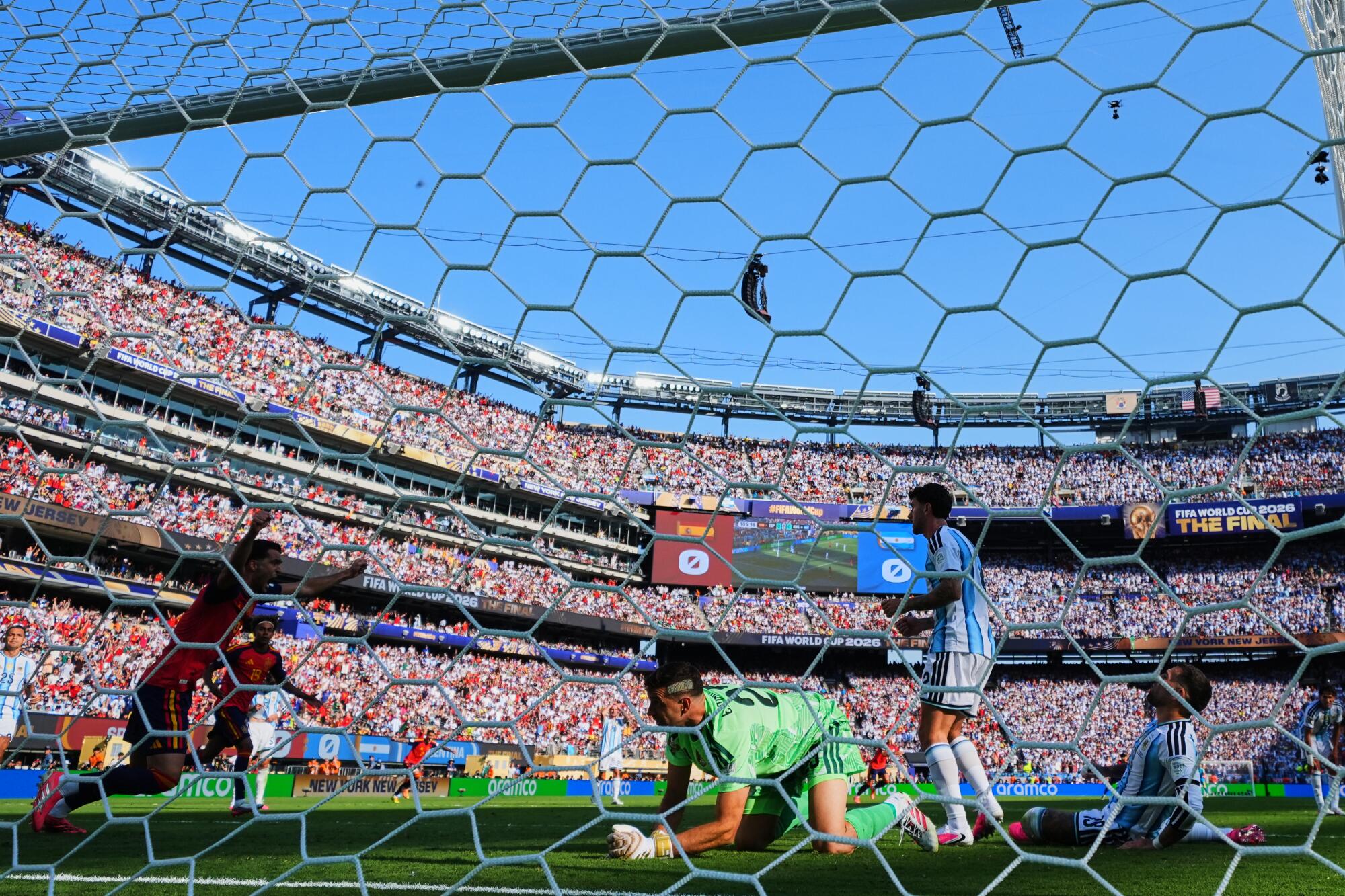
The historic World Cup concluded in East Rutherford, N.J., where Spain secured a 1-0 win over Argentina in extra time. FIFA President Gianni Infantino declared the tournament “the greatest human social and cultural event mankind has ever witnessed” at a reception two days prior to the final.
Attendance broke records with over 6.8 million, averaging more than 65,000 fans per game. A cumulative global TV audience surpassed 5 billion across various platforms, according to BusinessStats. The tournament also generated a record $13 billion in revenue, reinforcing Infantino’s reelection prospects.
Ticket prices for the final reached unprecedented levels, with a record $32,502 sold for a single seat. SoFi Stadium in Inglewood hosted eight games, including key matches for the U.S. team and Spain’s quarterfinal win, attracting a nearly full capacity crowd.
The tournament spanned three countries, marking the first time such a logistical challenge was undertaken. An expansion to 48 teams offered surprises, with Cape Verde and Norway delivering memorable performances. Egypt and Canada both achieved their first World Cup victories, while nine African teams advanced past the group stage.
Lionel Messi added to his legacy, finishing the tournament as the all-time leader in games, assists, and goal contributions. Although he did not secure another championship, his World Cup record stands unmatched.
The event also featured political tensions, notably between the U.S. and Iran. Iran faced logistical challenges but remained undefeated with three draws. Meanwhile, technological interventions like the video assistant referee (VAR) introduced new challenges, with controversial decisions impacting critical matches.
Former FIFA referee Christina Unkel criticized the reliance on technology, stating, “Football is an art.” During the tournament, U.S. influence surfaced when President Trump intervened in a disciplinary decision against striker Folarin Balogun. The subsequent reversal allowed Balogun to play in a pivotal match against Belgium, sparking debates about political interference.
FIFA’s response to political and organizational challenges raised questions about future World Cups. Infantino’s actions, criticized by some, did not hinder his support from member associations, with his reelection bid receiving substantial backing.