
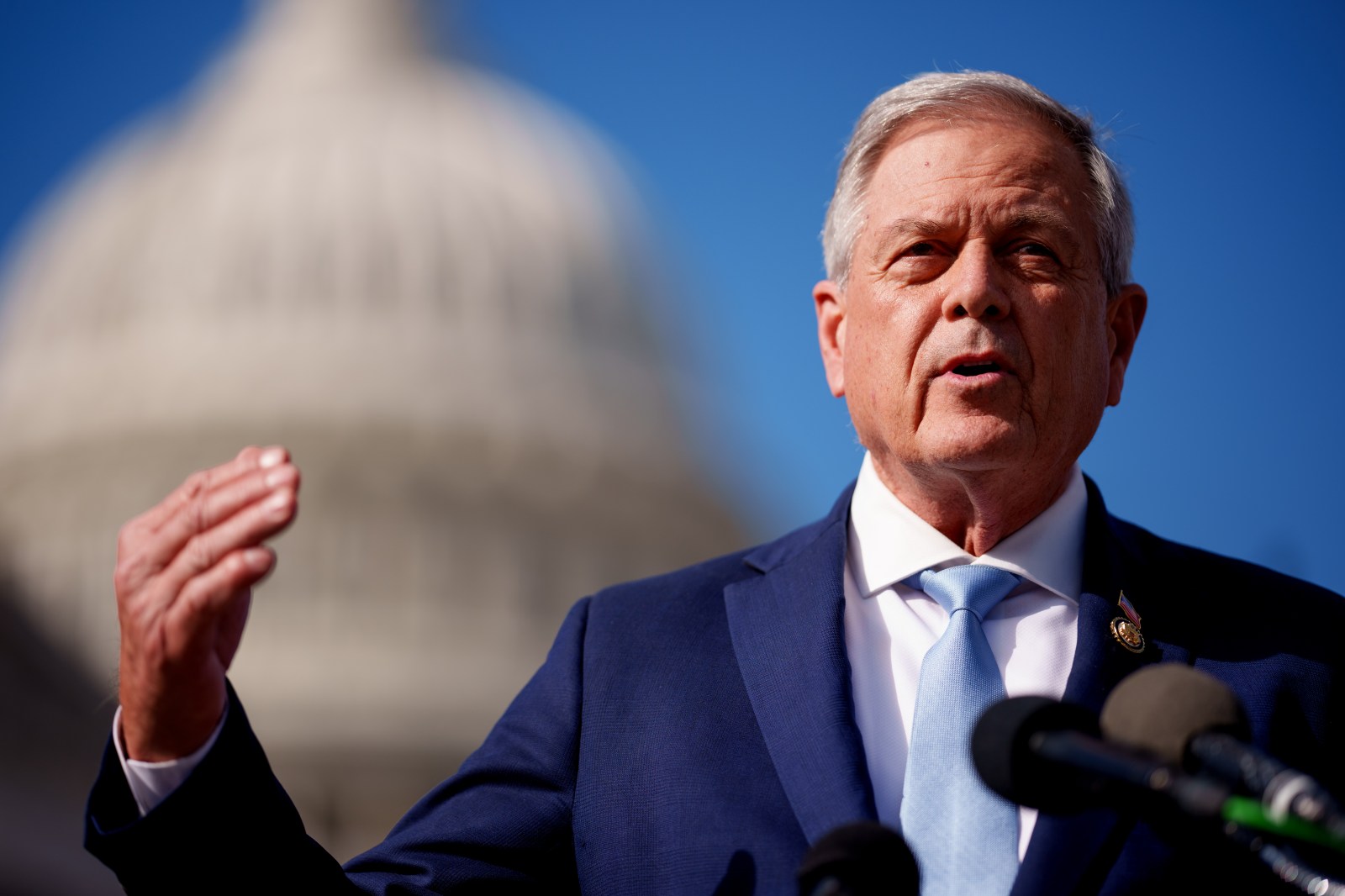
The Republican primary contest for South Carolina’s open U.S. Senate seat is exposing a divide among GOP leaders, with prominent figures endorsing different potential candidates. This follows the sudden death of longtime Senator Lindsey Graham.
Competing Endorsements
South Carolina Congressman Ralph Norman has secured backing from Republican senators, including Mike Lee and Rick Scott. Meanwhile, newly appointed interim Senator Darline Graham, Lindsey’s sister, has received support from President Donald Trump and South Carolina Representative William Timmons. These endorsements highlight the significance of the race as Republicans aim to retain their influence in one of the nation’s most conservative states. A Democrat hasn’t won South Carolina in a presidential election since Jimmy Carter’s victory in 1976.
While national attention and campaign momentum can be gained through endorsement from Washington-based Republicans, Trump’s backing has often been the most influential in GOP primaries lately. Darline Graham and Norman have not yet announced their candidacies, but Norman mentioned a forthcoming decision.
Newsweek reached out to Norman’s Washington office by phone after hours and emailed Graham’s office to contact Darline for comments.
Senator Graham’s Sudden Passing
Lindsey Graham, who had served as a U.S. senator since 2003, passed away on July 11 at age 71 due to an aortic dissection, as reported by the medical examiner’s preliminary findings. An aortic dissection involves a tear in the inner wall of the aorta, allowing blood to flow between its layers, which can lead to a fatal rupture if not treated immediately.
Graham’s office reported that he died surrounded by family and friends. Funeral arrangements include a memorial service in Washington, D.C., on July 28, followed by additional services in South Carolina on July 29.
Endorsements in the Race
Florida Senator Scott, a Trump ally, expressed his support on X, saying, “I’m proud to endorse my friend @ralphnorman for the U.S. Senate! Ralph is a conservative fighter who will stand with @POTUS and help him deliver on the promises he made to the American people.” Scott praised Norman’s efforts advancing Trump’s agenda, including the SAVE America Act.
Utah Senator Lee also endorsed Norman, emphasizing the need for a strong fiscal conservative to support Trump’s agenda.
On the other hand, Trump expressed his support for Darline Graham via Truth Social. He encouraged her to run for the Senate and described her as a “winner” who would uphold the legacy of her brother Lindsey. Trump offered his “Complete and Total Endorsement” and urged, “RUN, DARLINE, RUN!” Timmons sided with Trump, stating, “President Trump has chosen his candidate and I fully support his choice.”
Robert Collins, a public policy professor at Dillard University, noted the unusual circumstances. Typically, interim U.S. Senators don’t run for the seat they hold, and Republican office holders often wait for Trump’s move before endorsing. Collins pointed out Trump’s entering the lame duck phase, reducing fear among Republican senators.
Craig Agranoff, a political professor at Florida Atlantic University, acknowledged divided endorsements may signify tension within the party. Trump’s support for Lindsey Graham’s sister highlights personal loyalty after the senator’s passing, whereas endorsements for Norman indicate a preference for proven conservative voices.
Trump’s Endorsement Influence
Throughout the primary elections, Trump’s endorsement has frequently benefited Republican candidates. His support has elevated lesser-known contenders, unified parts of the conservative base, and shaped several GOP contests nationally.
In Texas, Trump endorsed Ken Paxton over incumbent Senator John Cornyn in a runoff primary, leading to Paxton’s victory. Trump-backed Ed Gallrein won against Thomas Massie in Kentucky, although Randy Feenstra conceded to Zach Lahn in Iowa’s gubernatorial primary, marking Trump’s first endorsement loss in the cycle.
While endorsements don’t guarantee success, Trump’s support signals alignment with his political agenda to Republican voters. In the South Carolina Senate race, Trump’s endorsement faces competition from other influential Republicans. As lawmakers take sides, the contest is becoming a battle not only between candidates but between different centers of influence within the GOP.
Upcoming Election Process
Under South Carolina law, the death of a nominee initiates a special-election process. A compressed timeline opens candidate filing from July 21 to July 28, followed by a Republican primary on August 11 and a possible runoff on August 25. The winner will compete against Democratic nominee Annie Andrews in the November 3 general election.