
Elections Not Managed Federally Bolster Security
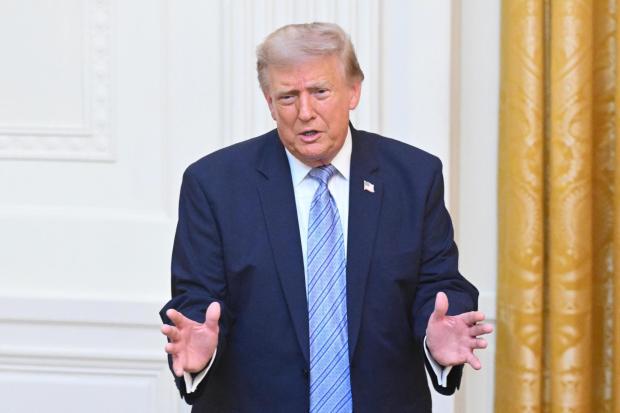
In a recent national address, President Donald Trump stated the need for secure elections, asserting the use of federal authority to prevent their theft. Contrary to his assertion, one of the most robust security features is that U.S. elections are not managed at the federal level. Over 10,000 different jurisdictions conduct elections, with governance varying by state and occasionally local authority. This decentralized system, though intricate, guards against widespread fraud. Rare instances of misconduct are typically caught by existing security protocols.
Decentralized Roots
The decentralized nature of American elections stems from the Founding Fathers, who placed election authority with states. Although Congress has legislated, such as with the Voting Rights Act, the Constitution grants states primary control over election times, places, and manners. The absence of a national election agency differentiates the U.S. from many other nations. Local officials, usually clerks or supervisors, manage the electoral process with assistance from staff and volunteers.
Election security experts affirm this system’s strength, despite the confusion that differences in election laws may cause. Stealing a presidential election, as falsely claimed by Trump in 2020, would involve numerous election workers in key counties willing to risk serious penalties and maintain secrecy, which is highly improbable.
Shared Security Practices
Uniform practices across the nation ensure only eligible voters cast a single vote per person. While voter fraud stories circulate, such as casting multiple ballots or using deceased individuals’ names, these are rare incidents usually caught and prosecuted. Crimes like multiple voting, ballot tampering, or false residency claims lead to severe penalties, including hefty fines and imprisonment. Non-citizens committing such acts face deportation.
U.S. election systems incorporate multiple protective layers and transparency to deter fraudulent acts. For in-person voting, most states require identification or other verification methods like stating one’s name, signing a poll book, or affidavits. For absentee voting, a voter’s signature is mandatory. Many states enhance security by requiring signatures to pass bipartisan verification, notarization, or witness endorsement. Such measures ensure detection of foul play even if a ballot mistakenly reaches someone at a past address.
Analysis Of Voter Fraud Claims in 2020 Election
President Trump has maintained his stance on winning the 2020 election against former President Joe Biden. However, a 2021 Associated Press review of potential voter fraud in contested battleground states revealed fewer than 475 cases, insufficient to affect election outcomes. Trump’s claims of widespread fraud have been consistently refuted by judges, state officials, and even an arm of his own administration’s Homeland Security Department. In 2020, Attorney General William Barr, appointed by Trump, confirmed that no widespread fraud was found that could have changed the election result.