
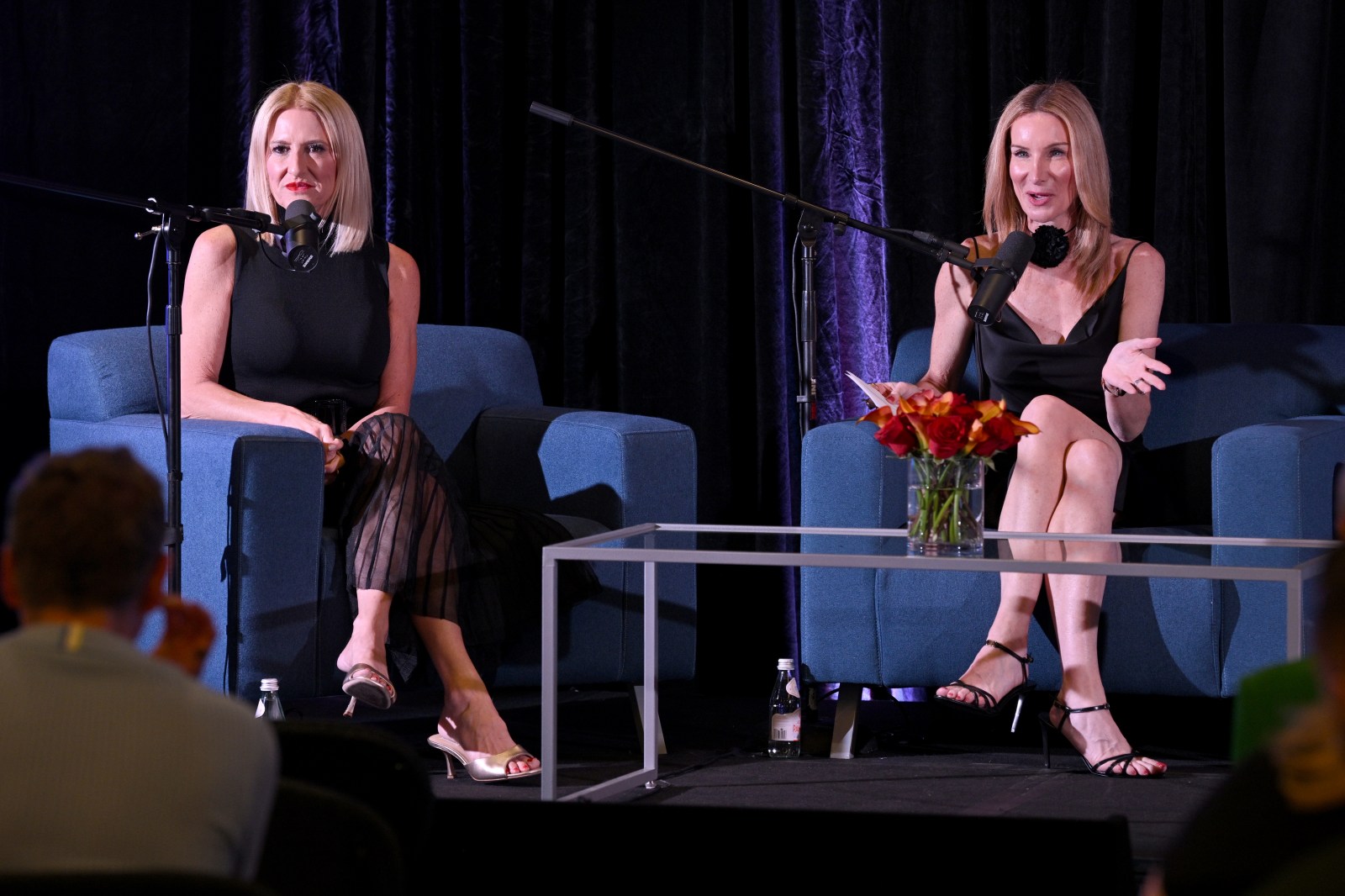
Jennifer Welch, host of the I’ve Had It podcast, recently described homeschooling in controversial terms. Welch, alongside Angie Sullivan, talks about topics that frustrate them. Her comments have sparked backlash from various quarters.
Welch labeled homeschooling a ‘Crazy Christian problem’ and ‘MAGA on steroids.’ Her remarks were met with a strong response from the Department of Education. On X, they countered, ‘The proven value of homeschooling should never be dismissed as ‘trickle-down stupidity.’ The only thing that is stupid is your ignorance.’
The criticism started with a listener’s call-in remark. They expressed frustration over seeing unqualified individuals from their school days opt for homeschooling. Welch added further negative connotations, calling it an issue deeply rooted in American society. She referred to certain mega churches as ‘indoctrination factories’ and ‘hate academies.’
Welch’s comments have previously attracted criticism, including her views on Erika Kirk. The podcast is known for its candid left-wing opinions and use of strong language. Newsweek has reached out to the podcast’s representative for further comment.
In support of homeschooling, the Department of Education referenced success stories, including homeschoolers winning prestigious awards. Florida Governor Ron DeSantis also defended homeschool students, asserting they tend to be well-behaved.
Daily Wire opinion editor, Benjamin Domenech, shared his own homeschooling experience. He highlighted achievements within his family against Welch’s critique.
The COVID-19 pandemic has influenced a rise in homeschooling. Data from Johns Hopkins Institute for Education Policy shows homeschool figures reaching 5.92% in the 2023-24 school year, nearly double compared to pre-pandemic levels.
Studies Show Homeschooling Benefits
Research consistently indicates homeschooled students often perform comparably or better in academics. A University of Minnesota study assessed 732 homeschooled students in college settings. It found they had higher SAT scores and GPAs upon college entry. Comparisons with traditionally educated peers showed no significant GPA differences in the first year.
Further analyses by Brian Ray and NHERI reveal homeschool students exceed public-school counterparts by 15 to 30 points on standardized tests. However, the extent of homeschooling benefits, aside from parental involvement and socioeconomic factors, remains debated.
Critics note some research relies on voluntary participation, potentially skewing results towards more engaged homeschooling families.