
Christopher Nolan has a diverse filmography, including projects on bombs in Oppenheimer, heroes in Batman Begins, villains in The Dark Knight, and the nuanced spaces in between in The Dark Knight Rises. He explored family ties in Interstellar, time in Tenet, and dreams in Inception. His film Memento dealt with memory, while The Prestige addressed magic, and Insomnia focused on mystery. His debut film, Following, is about a writer, and now, with his 13th film, The Odyssey, Nolan delves into mythmaking.
Nolan’s newest venture, The Odyssey, seems to encapsulate all his cinematic obsessions and themes. He uses the ancient tale of Homer’s epic poem, dating back to the eighth century B.C.E., as the framework. Much like Oppenheimer addressed the guilt associated with its central theme, The Odyssey explores trauma and guilt alongside the story of Odysseus’ return home.
The Trojan horse, infamous in the epic, serves as a symbol of cunning strategy and a lasting mark of Odysseus’ involvement in this ‘war crime.’
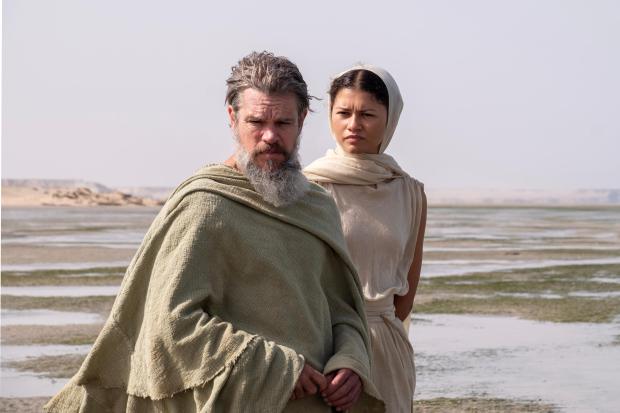
In The Odyssey, Odysseus, portrayed by Matt Damon, is haunted by his role in events. After fighting in the Trojan War for 10 years, Odysseus faces another decade of trials trying to return to Ithaca. His journey is fraught with challenges including cyclopes, witches, sirens, and the wrath of Poseidon. Despite finding temporary solace with Calypso, played by Charlize Theron, Odysseus is driven by visions of Athena, portrayed by Zendaya. Meanwhile, his wife, Penelope (Anne Hathaway), son Telemachus (Tom Holland), and servant Eumaeus (John Leguizamo) await his return while resisting the intrusive suitors vying for power.
Nolan’s adaptation of The Odyssey captivates with its grand scope and beauty. Utilizing the artistry of his team, Nolan captures every detail with precision. Hoyte van Hoytema, his longtime collaborator, films the entire project in IMAX across global locations like Morocco and Iceland, enhancing the cinematic experience.
The film’s musical score, composed by Ludwig Göransson, and intense editing by Jennifer Lame create a continuous momentum of chaos and violence that makes the audience feel the immediacy of the action.
Odysseus’ recollections reveal layered flashbacks, framing his narrative as he shares his story with Calypso and Penelope. Gradually, the stories reveal a hero who confesses their violation of Zeus’ law, admitting the destructive legacy of their actions.
Starring Matt Damon as Odysseus and Zendaya as Athena, Nolan inserts modern touches within the film, as seen with Telemachus using familiar terms like ‘Dad’ and casual language peppered throughout. Jon Bernthal’s portrayal of Menelaus adds a contemporary flavor, bringing a New York swagger to his performance.
Nolan wants us to reflect on the continuing violence between humans and questions our motivations behind such actions. Damon’s portrayal of Odysseus embodies the complexity of his character as a soldier weighed down by moral choices.
A standout sequence involves encountering fallen soldiers in Hades. The scene powerfully confronts the viewer with the dead, emphasizing accountability and honoring their sacrifices. Where Nolan’s previous war films like Oppenheimer and Dunkirk didn’t focus on the fallen, The Odyssey faces them directly, prompting audiences to consider their implications.
Nolan’s The Odyssey highlights its spectacle while presenting a profound message. A must-watch, showcasing strong filmmaking.
Katie Walsh serves as a critic for Tribune News Service.
‘The Odyssey’ Review
- Rating: 4 stars (out of 4)
- MPA Rating: R (for violence and some language)
- Running Time: 2:52
- How to Watch: In theaters July 17