
The United States is set to enforce 25% tariffs on imports from Brazil due to various trade practices perceived as unfair by the U.S. government. These tariffs will be effective from July 22, following proposals made last month.
According to senior Trump administration officials, the tariffs exempt certain goods that could disrupt supply chains or are not produced domestically. Exempted items include coffee, beef, oranges, orange juice, specific oil and gas energy products, as well as aerospace parts and components.
Jamieson Greer, U.S. Trade Representative, highlighted several issues contributing to the decision, such as Brazil’s actions against U.S. technology companies, insufficient anti-corruption enforcement, and Brazilian farmers capitalizing on illegally logged lands. These factors have hindered U.S. producers from accessing Brazil’s market, which boasts over 210 million consumers.
Senior administration officials stated the strategy was to avoid economic disruption. The Office of the U.S. Trade Representative concluded, after a yearlong investigation, that Brazil engaged in unfair practices including lax anti-corruption enforcement and its own tariff barriers. Despite these grievances, the U.S. has maintained a goods trade surplus with Brazil.
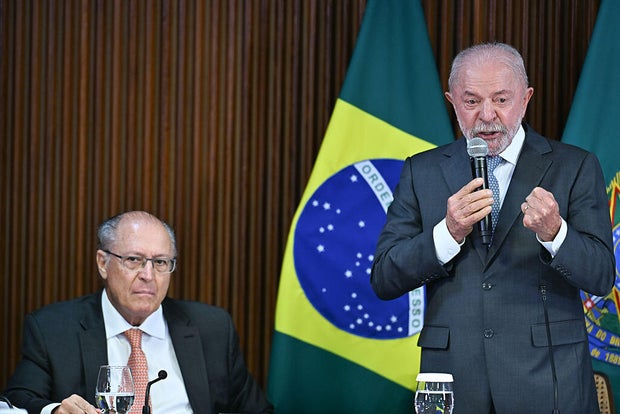
Brazilian President Luiz Inácio Lula da Silva expressed indignation at the tariffs, suggesting political motives, particularly blaming his rival, Sen. Flávio Bolsonaro. Bolsonaro, son of former President Jair Bolsonaro and a Trump ally, had recently visited Washington. Trump administration officials, however, dismissed any political influence on the decision, emphasizing ongoing public concerns in the trade relationship.
The administration noted that constructive dialogue with Brazil began six weeks prior but deemed the progress insufficient.
The tariffs are imposed under Section 301 of the Trade Act of 1974, permitting investigations into trade practices. A previous attempt by Trump to impose a 50% tariff on Brazil under the International Emergency Economic Powers Act of 1977 was struck down by the Supreme Court for exceeding authority.
Despite past tensions, Trump’s relationship with Lula seemed to improve following a White House visit. In a sign of improving trade relations, the U.S. previously lifted 40% tariffs on Brazilian goods, including beef and coffee.